

Website Maintenance Services: How Do They Improve Website Security and Performance?
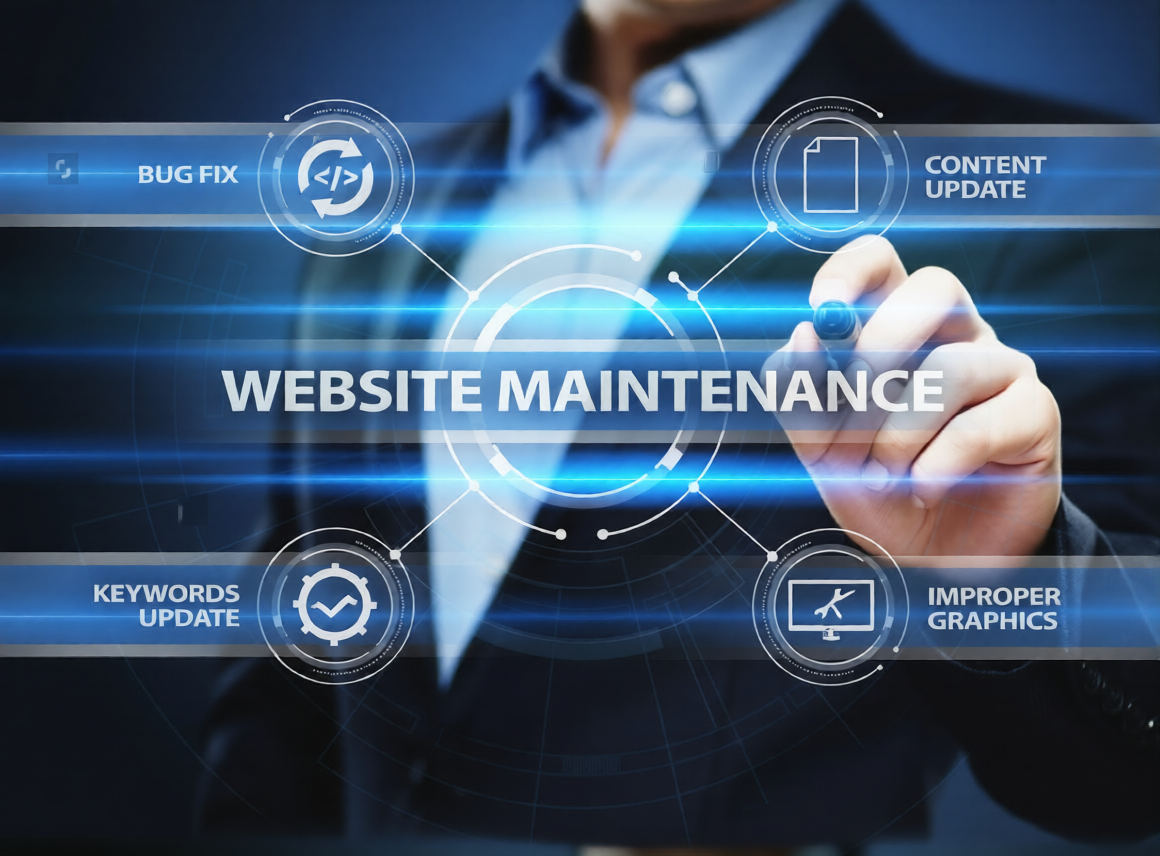
A website is an important part of a modern business, but simply launching a website is not enough to keep it successful. It needs regular updates, monitoring, security checks, and performance improvements. Website maintenance services help businesses keep their websites secure, functional, fast, and reliable while reducing the risk of technical problems.
Regular maintenance can also support a better experience for visitors. Google recommends paying attention to factors such as secure connections, mobile usability, and Core Web Vitals when evaluating overall page experience.
What Are Website Maintenance Services?
Website maintenance services involve the regular work required to keep a website operating properly.
Depending on the website, maintenance may include software updates, security monitoring, backups, broken link checks, performance improvements, content updates, technical troubleshooting, and website testing.
A business website can change considerably over time. New plugins may be installed, software versions may become outdated, pages may become slower, and technical errors can appear. Regular maintenance helps identify these problems before they become larger issues.
Why Is Website Security Important?
Website security protects your website, business information, and visitors from different types of online threats.
An outdated website may contain older software or components with known vulnerabilities. Regular maintenance helps businesses keep their website software and security systems updated.
Security maintenance can include:
- Software and plugin updates
- Security scans
- Malware monitoring
- Login protection
- SSL and HTTPS checks
- User access management
- Database security checks
- Backup management
Security should be treated as an ongoing process rather than a one-time task.
How Do Regular Updates Improve Security?
Websites often depend on content management systems, themes, plugins, extensions, and other software. Developers regularly release updates to improve functionality, fix bugs, and address security issues.
Keeping these components updated can reduce the risks associated with outdated software.
Professional maintenance also allows updates to be tested before major changes are applied to a live website. This can help reduce compatibility problems and unexpected errors.
How Do Backups Protect Your Website?
Backups are an important part of website maintenance because technical problems can happen unexpectedly.
A backup provides a separate copy of important website information. Depending on the website, this may include databases, images, files, configurations, and content.
If a website experiences a serious technical problem, a recent backup can make recovery easier.
However, simply creating backups is not enough. A good maintenance process should also check that backups are being completed properly and can be restored when needed.
How Do Website Maintenance Services Improve Performance?
Website performance affects how visitors interact with a site.
Slow pages can make it harder for users to find information, complete forms, browse products, or contact a business. Google also identifies Core Web Vitals as part of its page experience guidance.
Maintenance can help improve performance by identifying technical issues such as:
- Large image files
- Unnecessary plugins
- Outdated software
- Excessive database data
- Poorly optimized scripts
- Broken resources
- Caching problems
- Server-related issues
Regular performance checks help businesses identify areas that need improvement.
Why Should Broken Links Be Fixed?
Broken links can create a poor user experience.
Imagine a visitor clicks an important service page and receives an error instead. They may leave the website rather than searching for the information elsewhere.
Website maintenance services can regularly check internal and external links and identify pages that need correction.
Fixing broken links can make website navigation easier and help visitors move through the site more efficiently.
How Does Maintenance Improve Website Functionality?
Websites often include contact forms, booking systems, shopping carts, payment features, search functions, social integrations, and other interactive elements.
These features can stop working correctly after software updates or changes to other parts of the website.
Regular testing helps identify problems with important functions.
For example, maintenance can involve checking whether:
- Contact forms submit correctly
- Buttons work properly
- Navigation menus function correctly
- Checkout processes work
- Images load correctly
- Search functions return results
- Mobile menus operate properly
This helps businesses maintain a smoother website experience.
How Does Maintenance Support Mobile Performance?
Many visitors access websites through smartphones and tablets.
A website that works correctly on a desktop computer may still have problems on smaller screens. Text can become difficult to read, buttons can become difficult to click, and layouts can break.
Regular maintenance should include mobile testing to make sure important pages remain usable across different screen sizes.
Google's page experience guidance specifically recommends checking whether pages display well on mobile devices.
Can Website Maintenance Help With SEO?
Website maintenance is not the same as SEO, but technical maintenance can support a healthier website for search engines.
Regular checks can identify issues such as broken pages, incorrect redirects, indexing problems, slow pages, and technical errors.
Google provides Search Console tools that allow site owners to monitor search performance, indexing, and security-related issues.
Keeping technical elements in good condition gives SEO efforts a stronger technical foundation.
How Does Maintenance Reduce Website Downtime?
Website downtime means visitors cannot properly access your website.
Downtime can happen because of server problems, software conflicts, configuration errors, security incidents, or unexpected technical failures.
Regular monitoring can help identify problems earlier. Maintenance teams can also check important systems and address issues before they cause extended interruptions.
No maintenance plan can guarantee that a website will never experience downtime, but proactive monitoring can help reduce avoidable problems.
Why Is Database Maintenance Important?
Websites that use databases can collect unnecessary information over time.
Temporary data, revisions, spam comments, unused records, and other information may increase database size.
Database maintenance can help keep the website's backend organized and efficient. It should always be performed carefully, with appropriate backups available before significant changes are made.
How Does Maintenance Improve User Experience?
Website visitors expect pages to work properly.
They want to find information quickly, navigate easily, use forms without errors, and access websites comfortably on different devices.
When a website is regularly maintained, businesses can address technical problems that might otherwise frustrate visitors.
A smoother experience can make it easier for visitors to explore products, services, contact information, and other important pages.
Why Is Content Maintenance Important?
Website maintenance is not limited to technical tasks.
Content can also become outdated. Businesses may change their services, prices, opening hours, contact information, team details, or product offerings.
Regular content reviews help ensure visitors receive accurate information.
Updating old pages can also make the website more useful for customers and easier for businesses to manage.
How Can Maintenance Protect Business Reputation?
A website often creates one of the first impressions of a business.
A website with broken pages, outdated information, security warnings, or slow loading can appear neglected.
Regular maintenance helps businesses present a more reliable online presence.
This is particularly important for companies that depend on their websites to generate leads, sell products, receive bookings, or provide customer support.
Should Small Businesses Use Website Maintenance Services?
Small businesses can also benefit from regular website maintenance.
Business owners often have limited time to monitor software updates, test forms, check security, optimize performance, and troubleshoot technical issues.
Outsourcing these tasks can allow business owners and employees to focus more on customers and daily operations.
The appropriate maintenance plan depends on the website's size, technology, traffic, complexity, and business requirements.
What Should a Website Maintenance Plan Include?
A maintenance plan can be customized according to the website.
Common services may include:
Security Monitoring
Regular checks can help identify suspicious activity, malware, vulnerabilities, and other security concerns.
Software Updates
Themes, plugins, content management systems, and other components can be reviewed and updated when appropriate.
Website Backups
Regular backups provide a recovery option if important website data is lost or damaged.
Performance Monitoring
Pages can be checked for loading problems and other technical performance issues.
Error Monitoring
Maintenance teams can identify broken pages, server errors, failed forms, and other technical problems.
Mobile Testing
Important pages can be tested on different screen sizes and devices.
Content Updates
Business information, images, services, products, and other website content can be kept current.
How Often Should a Website Be Maintained?
There is no single maintenance schedule for every website.
A small informational website may require a different level of maintenance than a large ecommerce website with thousands of products and frequent transactions.
Security monitoring and backups should generally be handled consistently, while other tasks can be scheduled weekly, monthly, quarterly, or according to the site's needs.
The most important point is to avoid treating maintenance as something that only happens after a problem appears.
How to Choose a Website Maintenance Provider
When choosing a provider, look beyond the price.
Ask what services are included in the maintenance plan and whether the provider offers backups, security monitoring, updates, performance checks, troubleshooting, and technical support.
It is also useful to understand how the provider handles major updates. Testing changes before applying them to a live website can reduce the risk of unexpected problems.
A clear maintenance plan should explain what is monitored, how often work is performed, and how technical issues are handled.
Final Thoughts
A website needs ongoing attention to remain secure, functional, and efficient. Website maintenance services help businesses manage technical updates, security checks, backups, performance issues, broken links, mobile usability, and other important tasks.
Regular maintenance can reduce avoidable technical problems and help provide visitors with a smoother experience. Instead of waiting until a website stops working, businesses can use proactive maintenance to keep their online presence reliable and ready for customers.
FAQs
What are website maintenance services?
Website maintenance services are ongoing tasks that help keep a website secure, updated, functional, and performing properly.
How do website maintenance services improve security?
They can include software updates, security monitoring, malware checks, access control reviews, SSL checks, and regular backups.
Can website maintenance make a website faster?
Maintenance can identify performance problems such as large files, unnecessary plugins, outdated software, and other technical issues that may affect loading speed.
How often should website maintenance be performed?
The schedule depends on the website. Security checks and backups may need regular attention, while other maintenance tasks can be performed weekly, monthly, or according to the website's requirements.
Are backups part of website maintenance?
Backups are commonly included in website maintenance plans. They provide a recovery option if website files or data are lost or damaged.
Does website maintenance help SEO?
Technical maintenance can support SEO by helping address broken pages, indexing problems, performance issues, and other technical website problems. However, maintenance alone does not replace a complete SEO strategy.
Do small businesses need website maintenance?
Yes. Small businesses can benefit from regular maintenance because it helps keep their website secure, functional, updated, and available to customers.

 Arabic
 French
 Spanish
 Portuguese
 Deutsch
 Turkish
 Dutch
Dutch
 Italiano
 Russian
 Romaian
 Portuguese (Brazil)
 Greek
Greek