

Diamond Solitaire Engagement Rings: Which Setting Works Best for Daily Wear?
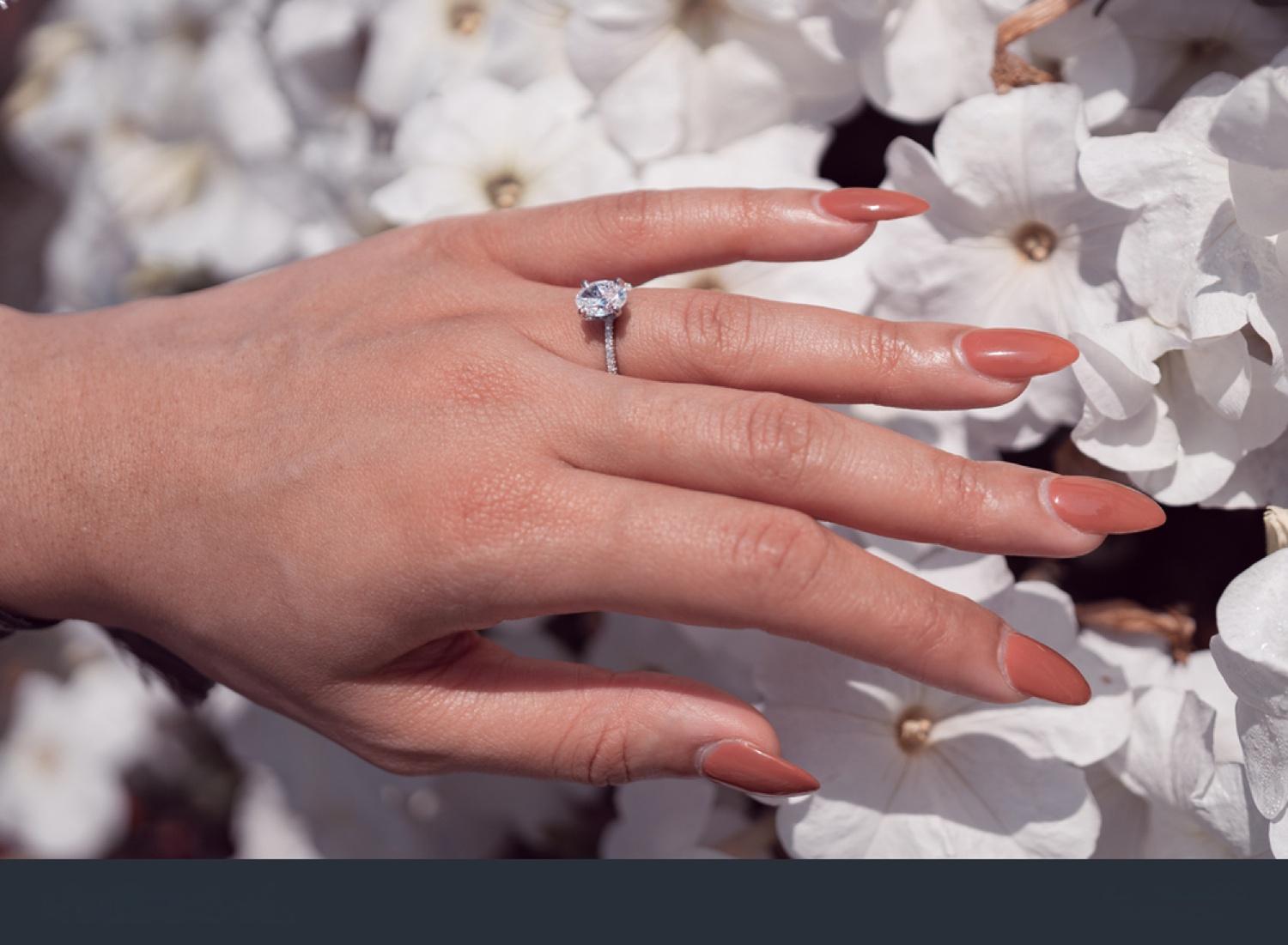
Choosing an engagement ring for everyday wear means looking beyond its appearance. The setting plays an important role in how comfortable, secure, and practical the ring will be over time. Diamond solitaire engagement rings are especially popular because they keep attention on one center diamond while offering many setting options for different lifestyles.
If you plan to wear your engagement ring every day, choosing a suitable setting can help protect the diamond and make the ring easier to wear during normal activities. From classic prong settings to protective bezel designs, each option has its own characteristics.
What Are Diamond Solitaire Engagement Rings?
Diamond solitaire engagement rings feature one main diamond as the center of attention. Unlike rings with multiple side stones, solitaire designs focus on the beauty, shape, and brilliance of a single diamond.
Their simple appearance makes them versatile. A solitaire can look elegant with formal clothing while also working well with casual outfits. The setting can further change the overall appearance and practicality of the ring.
Why Does the Setting Matter for Daily Wear?
The setting holds the diamond in place and influences how exposed the stone is to everyday contact. Your hands regularly come into contact with clothing, bags, furniture, keyboards, and other surfaces.
A good everyday setting should balance three things:
- Diamond security
- Comfortable wear
- Attractive appearance
The right choice depends on your daily routine and how much protection you want around the center stone.
Prong Settings for a Classic Look
Prong settings are one of the most recognizable choices for solitaire engagement rings. Small metal claws hold the diamond in place while leaving much of the stone exposed.
This design allows plenty of light to enter the diamond, which can help emphasize its sparkle. It also gives the ring a classic engagement-ring appearance.
For everyday wear, the number and design of the prongs matter. A well-made setting with secure prongs can provide reliable support, but the prongs should be checked periodically for signs of wear.
Bezel Settings for Added Protection
A bezel setting surrounds the edge of the diamond with a metal rim. This gives the center stone more coverage than a traditional prong setting.
For people who work with their hands or prefer a more protected design, a bezel can be a practical option. The surrounding metal can help reduce the chance of the diamond catching on clothing or other objects.
The trade-off is that more metal surrounds the diamond, so the stone may have a slightly different visual appearance compared with a more open prong setting.
Cathedral Settings and Elevated Style
A cathedral setting raises the center diamond above the band using curved metal supports. This creates an elegant and traditional appearance.
The higher position can make the center diamond look prominent and provide space underneath the stone for cleaning. However, the elevated design can also make the diamond more exposed to accidental bumps.
If you love the appearance of a cathedral setting, consider your daily activities before choosing one. It may work well for someone with a relatively gentle routine but may require more care for someone who frequently uses their hands for demanding work.
Low-Profile Settings for Everyday Comfort
A low-profile setting keeps the diamond closer to the finger. This can make the ring feel more comfortable during everyday activities.
Because the diamond does not sit as high, there may be less opportunity for it to catch on clothing or objects. This can be useful for people who prefer a practical ring that does not interfere with their routine.
Low-profile designs can also create a clean and understated appearance.
How Should You Choose a Setting for Your Lifestyle?
Your lifestyle should be one of the first things you consider when choosing a setting.
If you work in an office, spend most of your day using a computer, and have relatively gentle daily activities, several classic settings may work well.
If you regularly work with your hands, participate in physical activities, or handle tools, you may want to consider a setting that provides additional protection.
Think about how you use your hands every day rather than choosing a setting based only on photographs.
Consider the Diamond Shape
The diamond shape can influence which setting looks and feels appropriate.
Round diamonds are highly versatile and work naturally with many solitaire settings. Oval diamonds can create a longer visual appearance, while emerald and cushion shapes offer different proportions and styles.
Pear and marquise diamonds can also make distinctive solitaire rings, but their pointed ends may require careful consideration when selecting the setting.
The setting should support the diamond while complementing its shape.
Choose a Comfortable Metal
The metal is another important consideration for daily wear. Popular choices include yellow gold, white gold, rose gold, and platinum.
Yellow gold provides a warm traditional appearance. White gold has a bright look that pairs naturally with many diamonds, while rose gold offers a warmer and more distinctive style.
Platinum is also commonly used for engagement rings because of its durability and naturally white appearance.
Your choice should consider appearance, maintenance, comfort, and personal preference.
Pay Attention to Ring Height
Ring height is easy to overlook when shopping for an engagement ring. A tall setting can make the center diamond look dramatic, but it may also feel more noticeable on your finger.
A lower setting can provide a more practical experience for everyday activities.
If you are unsure, try different rings in person and move your hand naturally. This can help you understand whether the setting feels comfortable before making a purchase.
Think About Your Wedding Band
Your engagement ring should also work with your future wedding band. Some settings leave enough space for a wedding band to sit flush against the engagement ring.
Other designs may require a curved or contoured wedding band.
If you already know what type of wedding band you want, consider the two rings together before selecting the solitaire setting.
How Can You Keep a Solitaire Ring Secure?
Even a well-designed setting needs regular care. Check the ring occasionally for loose or damaged prongs, unusual movement, or other visible signs of wear.
Professional inspections can also help identify problems before they become serious.
It is sensible to remove your ring during activities that could expose it to strong impact, harsh chemicals, or unnecessary stress. Cleaning the ring regularly can also help maintain its appearance.
Which Setting Should You Choose?
There is no single setting that works for every person. A traditional prong setting may appeal to someone who wants maximum diamond visibility and a classic appearance.
A bezel setting may suit someone who prefers more protection around the diamond. A low-profile design can be attractive to people who prioritize comfort and practicality.
The best choice depends on your daily routine, preferred appearance, diamond shape, and comfort requirements.
A Simple Buying Checklist
Before choosing from different diamond solitaire engagement rings, consider these points:
- Decide how much diamond exposure you prefer.
- Think about your daily activities.
- Choose a comfortable ring height.
- Consider the diamond shape.
- Select a suitable metal.
- Check how the engagement ring will sit with a wedding band.
- Ask about the security of the setting.
- Consider maintenance and inspection requirements.
- Try the ring on before making a final decision.
Final Thoughts
Diamond solitaire engagement rings offer a timeless way to highlight one beautiful center diamond. However, the setting can make a major difference in how practical the ring feels for everyday wear.
Prong settings provide a classic and open appearance, while bezel settings offer more coverage around the diamond. Low-profile designs can provide everyday comfort, while cathedral settings create a more elevated look.
The right setting is ultimately the one that fits your lifestyle, personal style, and comfort needs while keeping the center diamond properly supported.

 English
 Arabic
 French
 Spanish
 Portuguese
 Turkish
 Dutch
Dutch
 Italiano
 Russian
 Romaian
 Portuguese (Brazil)
 Greek
Greek