

How Automotive Parts Retailers Can Turn Product Questions Into Sales Opportunities
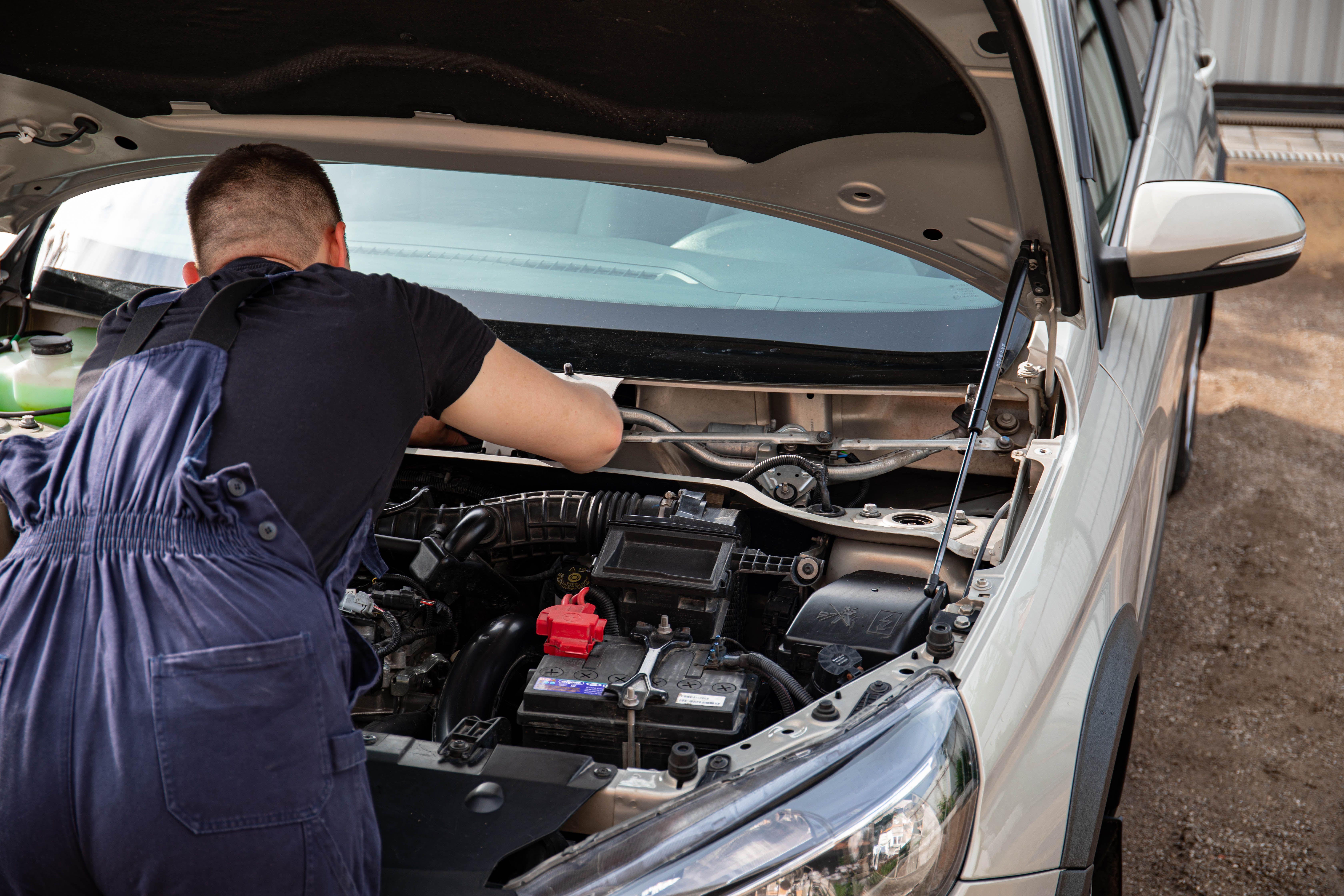
Buying automotive parts online is rarely as simple as selecting an item and clicking checkout. Customers often need to confirm compatibility, understand technical specifications, compare alternatives, or determine whether a component will work with a particular vehicle. These questions can represent valuable purchase intent, especially when retailers have processes that turn product uncertainty into helpful buying guidance.
Automotive call center services can help retailers handle these conversations while keeping customers engaged throughout the purchasing journey. Instead of treating questions as routine support requests, trained representatives can identify what the customer needs, clarify vehicle and part information, and guide shoppers toward appropriate products. The result is an opportunity to build confidence before the transaction rather than allowing uncertainty to end the buying process.
Why Product Questions Often Signal Buying Intent
A customer asking whether a brake component fits a specific vehicle may already be close to making a purchase. Someone comparing two replacement batteries may simply need clarification about specifications. Another shopper may be searching for a part but not know the correct terminology.
These interactions give retailers insight into what is preventing the customer from completing the purchase. The key is to recognize the difference between a general information request and a conversation that can naturally lead toward a product recommendation.
Turning Technical Details Into Clear Guidance
Automotive terminology can be confusing for customers who are not professional mechanics. Product descriptions may contain measurements, compatibility codes, engine specifications, or technical abbreviations that are difficult to interpret.
Representatives can make these details easier to understand by asking focused questions about the vehicle, existing component, intended use, or replacement requirement. Rather than overwhelming shoppers with specifications, they can explain relevant differences in straightforward language.
Using Compatibility Questions to Reduce Purchase Anxiety
Fitment is one of the biggest concerns when purchasing automotive parts. Customers may hesitate to order because they are unsure whether a component is compatible with their year, make, model, trim, or engine configuration.
A structured question-and-answer process can help identify the information needed to verify compatibility. When the retailer's systems support reliable fitment information, representatives can use those resources to guide the customer toward suitable options. This reduces uncertainty and can also help prevent avoidable returns caused by incorrect purchases.
From One Product Question to a Broader Need
A customer's initial question may reveal additional opportunities. Someone searching for a replacement brake component may also need related hardware. A shopper replacing a vehicle battery might require compatible accessories. A customer purchasing a lighting component may have questions about installation or related replacement parts.
Representatives should not turn every conversation into an aggressive upselling exercise. Instead, they can identify relevant complementary products when those products genuinely address the customer's stated requirements. Helpful recommendations can increase basket value while making the purchasing process more convenient.
Creating Better Product Discovery Experiences
Product questions can also reveal gaps in an automotive retailer's digital experience. If customers repeatedly ask about the same specification, compatibility issue, or product difference, the business may be able to improve product pages, comparison tools, fitment guides, or frequently asked questions.
This creates a useful feedback loop. Customer conversations generate insights that can improve digital content, while improved content can reduce repetitive questions and help future shoppers make decisions independently.
Preparing for Seasonal Demand
Automotive parts demand can change with weather, driving patterns, maintenance cycles, promotions, and regional conditions. During busy periods, a sudden increase in product questions can place pressure on internal support teams. Slow responses may leave shoppers waiting while they compare competing retailers.
During these periods, Automotive Peak Season Support can provide additional capacity for product inquiries, fitment questions, order assistance, and sales-related conversations. Flexible support allows retailers to respond to increased demand without forcing their core teams to manage every customer interaction simultaneously.
Measuring Which Conversations Create Sales
Retailers can use customer interaction data to understand which questions most frequently precede purchases. Useful measurements can include inquiry-to-order conversion, product categories generating the most questions, abandoned inquiries, frequently requested parts, and reasons customers hesitate to purchase.
These insights can help sales and merchandising teams make better decisions. ServeRetail can serve as a reference for businesses exploring structured customer support operations that combine service interactions with broader ecommerce objectives.
Making Customer Questions Part of the Sales Journey
Automotive parts retailers should not view every product question as a cost of doing business. Many questions indicate that customers are actively evaluating whether to purchase. The quality and speed of the response can therefore influence what happens next.
By combining knowledgeable representatives, accurate product information, fitment support, relevant recommendations, and customer interaction data, retailers can create a more useful buying experience. The goal is not to push customers toward unnecessary purchases, but to remove the uncertainty that prevents legitimate purchases from moving forward.
When product questions are handled strategically, customer service becomes part of the sales journey rather than a separate function that begins only after an order is placed. Automotive retailers can use these conversations to build trust, improve product discovery, reduce purchase hesitation, and create more opportunities to convert high-intent shoppers into customers.

 English
 Arabic
 Spanish
 Portuguese
 Deutsch
 Turkish
 Dutch
Dutch
 Italiano
 Russian
 Romaian
 Portuguese (Brazil)
 Greek
Greek
