

Security Services Company: A Guide to Business Protection
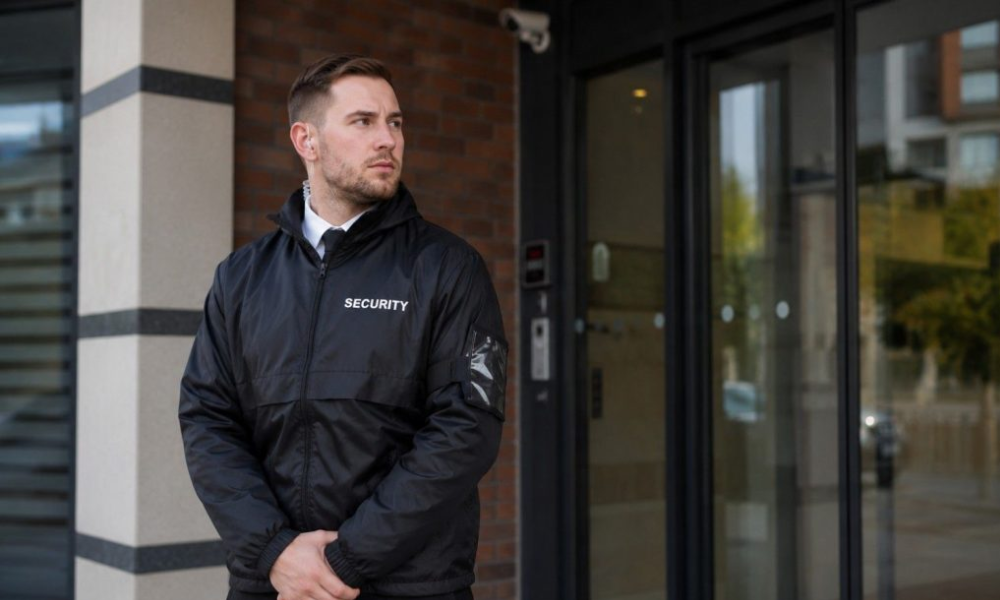
Business security involves more than simply locking doors at the end of the working day. Offices, shops, warehouses, construction sites, hospitality venues and other commercial premises can face different risks involving property, employees, visitors, equipment and access to restricted areas. A structured security strategy can help businesses identify these risks and establish suitable protective measures.
Professional security services can form part of this strategy by providing trained personnel for tasks such as security guarding, access control, key holding and certain CCTV-related activities. In the UK, several private security activities are regulated by the Security Industry Authority (SIA), meaning businesses need to understand which roles require licensing before arranging services.
Understanding Business Security Requirements
The first step in protecting a business is identifying its specific security requirements. Factors such as the size of the premises, number of entrances, operating hours, valuable assets, staff numbers and visitor traffic can all influence the level and type of security needed. A warehouse, for example, may have different vulnerabilities from a city-centre office or retail shop.
A risk-based approach can help businesses focus resources on areas that need greater attention. This might involve reviewing access points, external boundaries, storage areas, parking facilities and restricted rooms. A security services company may provide personnel to support these arrangements, but the security plan should be based on the individual characteristics and risks of the business.
Security Guarding for Commercial Premises
Security guarding provides a physical presence at a business location. Depending on the agreed duties, guards may monitor entrances, patrol premises, observe activity and report incidents. Their presence can also support existing procedures designed to protect employees, visitors and property.
The SIA defines manned guarding as including activities such as guarding premises against unauthorised access, damage or disorder and protecting property against theft or damage. When these activities are carried out under a contract for services, the appropriate SIA licence may be required. Businesses should therefore confirm that personnel have the relevant authorisation for the duties they perform.
Access Control and Visitor Management
Access control is an important part of commercial security because businesses often have areas that should only be entered by authorised people. These may include offices containing sensitive information, storage rooms, server areas, warehouses or staff-only facilities.
Security personnel can support access procedures by monitoring entrances, checking visitors where appropriate and following site-specific instructions. Physical security can also work alongside electronic systems such as access cards, security gates, intercoms and visitor management systems. Combining different controls can provide businesses with several layers of protection.
Key Holding and Alarm Response
Key holding can provide businesses with an authorised person who controls access to premises and may respond to certain situations involving security systems. This can be particularly relevant when a business is closed and employees are not normally present at the property.
The SIA lists key holding as a licensable activity when the relevant conditions apply. Businesses should establish clear procedures for alarm activations, access to the premises and escalation of incidents. If a response involves activities that fall within manned guarding, additional licensing requirements may apply.
CCTV and Security Monitoring
CCTV can help businesses monitor entrances, internal areas, external boundaries and other locations where security risks have been identified. Recorded footage can also provide useful information when an incident needs to be reviewed, subject to applicable legal and operational requirements.
CCTV should not necessarily be viewed as a replacement for physical security. Depending on the role, trained personnel can monitor relevant areas, follow procedures and report issues identified through security systems. Certain public-space surveillance CCTV activities require an SIA licence, so businesses should establish whether the specific duties involved fall within the licensing framework.
Supporting Workplace Safety
Business protection also involves considering the safety of employees, customers, contractors and visitors. A clear security presence and well-defined procedures can help businesses manage access, report concerns and respond appropriately to incidents.
The exact responsibilities of security personnel will depend on the premises and their assigned duties. For example, a retail environment may require monitoring of entrances and customer areas, while an office building may place greater emphasis on visitor management and restricted access. Security procedures should always reflect the particular environment in which personnel are working.
Protecting Business Assets
Commercial properties can contain valuable stock, equipment, machinery, computers, documents and other assets. Theft or damage can result in financial losses and may also interrupt normal business activities.
Physical security measures such as guarding and patrols can complement alarms, CCTV, locks and access-control systems. Businesses can identify their most valuable or vulnerable assets during a security assessment and determine which measures are appropriate for protecting them.
Out-of-Hours Security
Many businesses have reduced staffing levels during evenings, overnight periods, weekends and holidays. This can create periods when premises have less routine human oversight, particularly when valuable equipment or stock remains on site.
Out-of-hours security arrangements can provide additional monitoring during these periods. Depending on the business, this may involve security guards, mobile patrols, key holding, alarm response or a combination of measures. The appropriate approach will depend on the premises and the risks identified by the business.
Choosing a Security Provider
When selecting a provider, businesses should look beyond the range of services advertised. Relevant experience, staff training, licensing arrangements, insurance, management procedures and communication processes can all be considered before entering into a contract.
The SIA operates the Approved Contractor Scheme (ACS), which is a voluntary scheme for private security businesses. The SIA maintains a register of approved contractors and identifies the activities for which each contractor is approved. Businesses can use this information as part of their due diligence when assessing potential providers.
Checking Security Staff Licensing
Businesses using contracted security personnel should understand which activities require an SIA licence. Current SIA guidance covers activities including security guarding, door supervision, key holding and public-space surveillance CCTV, subject to the circumstances of the work.
The SIA provides a licence-checking service that allows businesses to verify whether security personnel hold the appropriate licence. The regulator specifically advises employers to check that security staff have the correct licence before hiring them for private security work. This provides an important verification step when arranging professional security services.
Training and Professional Standards
Training is another consideration when assessing security arrangements. The SIA requires licence-linked qualifications for several front-line roles, including security guarding, door supervision and public-space surveillance CCTV. Requirements can vary depending on the licence type and circumstances.
Businesses can also consider whether security providers have appropriate operational procedures and staff-development systems. Relevant British Standards cover areas of private security, including security services, screening, CCTV management, static guarding and door supervision. The SIA identifies these standards as relevant to private security organisations and approved contractors.
Reviewing Security Arrangements
Business security should be reviewed regularly rather than treated as a one-off exercise. Changes to premises, staffing levels, opening hours, equipment, building layouts or business activities can introduce new security considerations.
Incident reports, patrol records, access-control issues and feedback from employees can help identify areas that may need attention. Regular reviews can also help businesses determine whether existing security measures remain appropriate or whether procedures need to be adjusted.
Conclusion
Business protection requires a combination of sensible procedures, appropriate technology and suitable physical security measures. Security guarding, access control, key holding, CCTV monitoring and patrols can each address different aspects of commercial security when they are matched to the requirements of a particular premises.
Businesses should assess their risks before arranging services and ensure that security personnel performing licensable activities have the appropriate SIA authorisation. Reviewing provider credentials, staff training, operating procedures and security arrangements regularly can help businesses maintain a structured approach to protecting their people, property and daily operations.

 Arabic
 French
 Spanish
 Portuguese
 Deutsch
 Turkish
 Dutch
Dutch
 Italiano
 Russian
 Romaian
 Portuguese (Brazil)
 Greek
Greek