

How Portion Control Can Support a Balanced Weight-Loss Diet
When people begin working toward weight loss, they often focus on which foods they should remove from their diet. However, healthy eating is not always about eliminating familiar foods. Portion sizes, meal composition, daily activity, and consistency can all play an important role in building a sustainable routine.
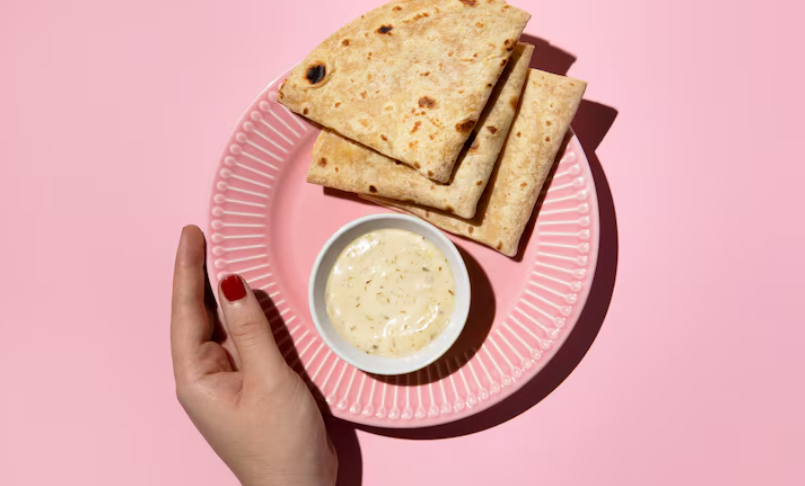
Indian meals commonly include staples such as rice, roti, vegetables, lentils, curries, and other foods. Instead of completely avoiding these familiar foods, learning how to build balanced portions can make everyday meals easier to manage.
What Is Portion Control?
Portion control means being mindful of how much food you eat at a particular meal. It does not necessarily mean eating very small portions or feeling hungry throughout the day.
The amount of food a person needs can vary depending on factors such as age, activity level, body size, lifestyle, and individual nutritional requirements.
The goal is to develop an eating pattern that provides appropriate nutrition while supporting your personal goals.
Why Portion Size Matters
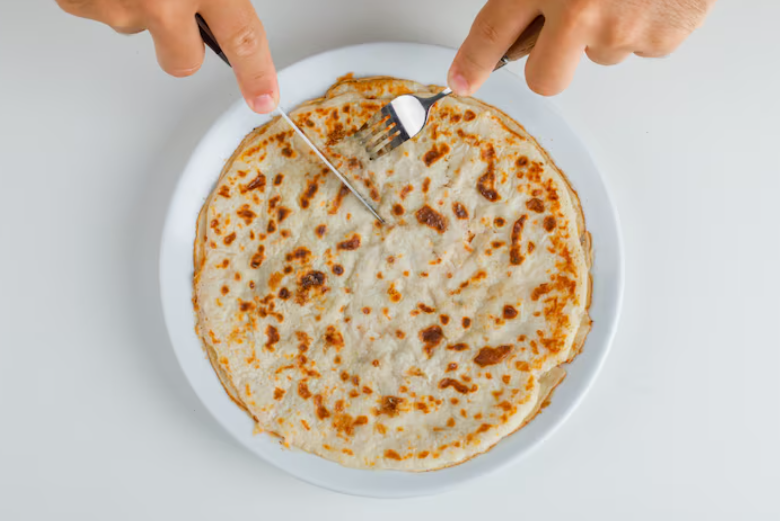
Even nutritious foods contribute calories, and eating significantly larger portions than your body requires can make it harder to manage overall calorie intake.
On the other hand, consistently eating too little can make a diet difficult to maintain and may leave you feeling unsatisfied.
A balanced approach focuses on appropriate portions combined with a variety of foods.
Build a Balanced Plate
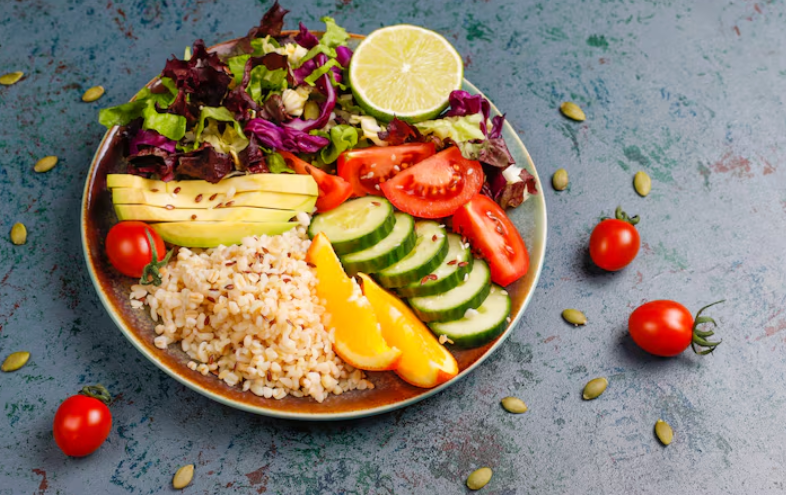
One practical way to think about portion control is to consider the entire meal rather than focusing on a single ingredient.
A meal can include a suitable portion of a carbohydrate source, vegetables, and a protein-rich food.
For example, an Indian meal might include roti or rice alongside vegetables, dal, beans, paneer, eggs, fish, chicken, or another preferred protein source.
The exact portions can be adjusted according to individual needs.
Don't Automatically Avoid Carbohydrates
Carbohydrates are often treated negatively in weight-loss discussions, but they can be part of a balanced diet.
Rice, roti, oats, potatoes, fruits, and other carbohydrate-containing foods can provide energy. What matters is how much is consumed and how these foods fit into the overall diet.
If you enjoy rice or roti, there may not be a need to completely eliminate them simply because you are trying to manage your weight.
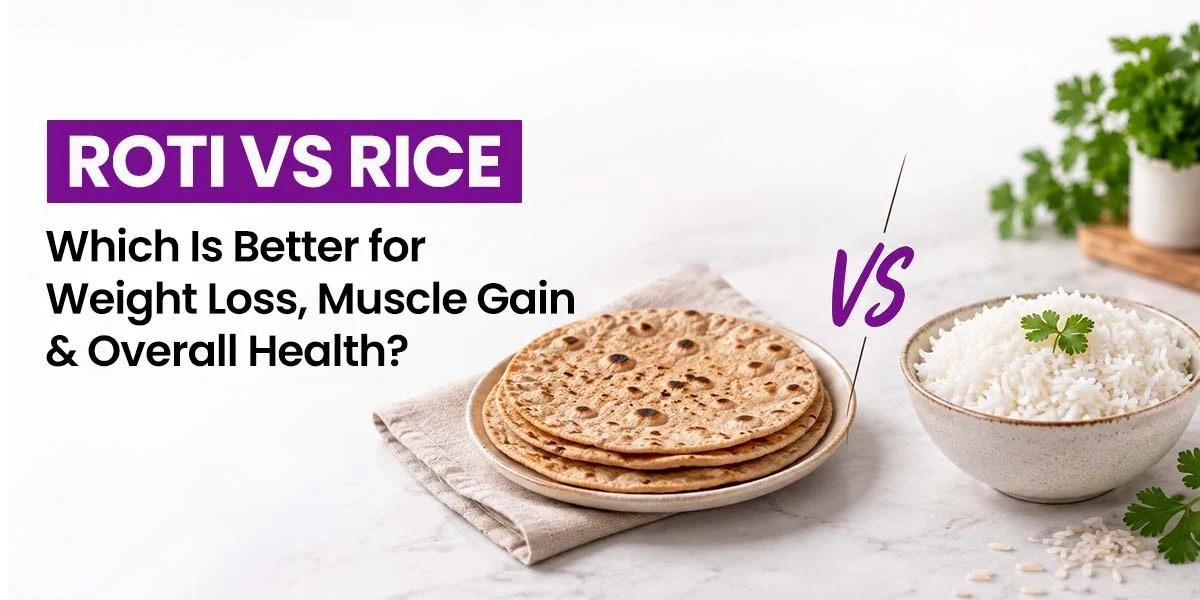
For a detailed comparison, you can read this guide on roti vs rice for weight loss.
Include Protein-Rich Foods
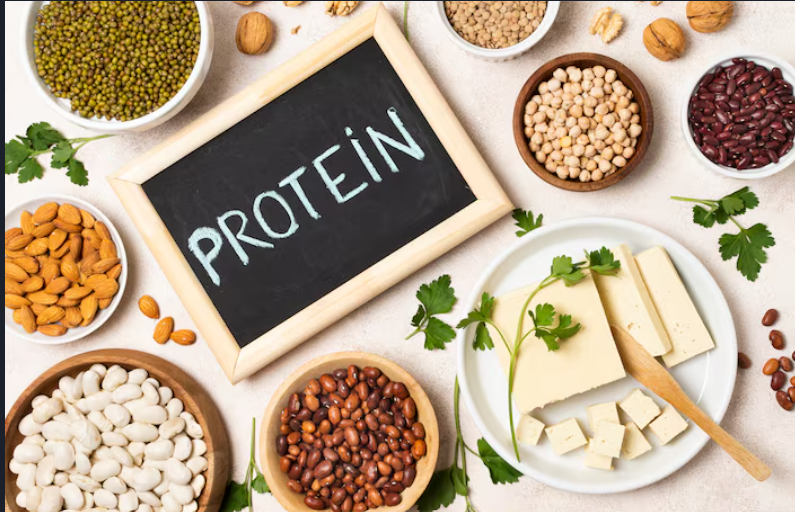
Protein can be an important component of a balanced meal. Depending on dietary preferences, protein can come from lentils, beans, eggs, dairy products, paneer, tofu, fish, chicken, or other suitable foods.
Including an appropriate protein source alongside a carbohydrate and vegetables can help create a more balanced meal.
Individual protein requirements vary, so your overall intake should be considered in the context of your diet and lifestyle.
Add More Variety to Your Meals
A varied diet can make healthy eating more enjoyable and provide a broader range of nutrients.
Try including different vegetables, fruits, whole grains, legumes, nuts, seeds, and protein sources throughout the week.
Instead of eating the same meal every day, changing ingredients and preparation methods can make it easier to stay interested in your eating routine.
Be Mindful of Cooking Methods
The ingredients used in a meal are only part of the picture. Cooking methods can also influence the overall energy content of a dish.
Deep-fried foods and meals prepared with large amounts of added fats can contain considerably more calories than similar foods prepared using lighter cooking methods.
This does not mean that fried foods can never be eaten. Rather, being aware of preparation methods can help you make choices that fit your overall goals.
Pay Attention to Snacks
Snacks can contribute significantly to daily food intake, particularly when portions are not considered.
Instead of eating directly from a large package, placing a suitable amount into a bowl or container can make it easier to remain aware of how much you are eating.
Fruit, yogurt or suitable alternatives, nuts, roasted legumes, or other preferred snacks can provide variety between meals.
Hydration Is Important Too
Water is an essential part of everyday health. Maintaining adequate hydration can also help you distinguish between thirst and hunger sensations.
Individual fluid requirements vary, particularly depending on climate, physical activity, and other circumstances.
Keeping water readily available throughout the day can make staying hydrated more convenient.

Combine Nutrition With Movement
Weight management is not solely about food. Regular physical activity can also be part of a healthy lifestyle.
Walking, cycling, swimming, resistance training, sports, and other forms of movement can be incorporated according to individual interests and fitness levels.
The most sustainable activity is often one that fits naturally into your routine and can be maintained consistently.
Avoid an All-or-Nothing Mindset
One large meal or an occasional treat does not have to derail an entire routine.
Trying to follow an extremely restrictive diet can make everyday eating unnecessarily difficult. A more flexible approach can allow you to enjoy different foods while still paying attention to portions and overall dietary balance.
Consistency over time is generally more practical than trying to follow a perfect diet every day.
Make Changes Gradually
Small changes can be easier to maintain than dramatic restrictions.
You might start by paying closer attention to portion sizes, adding more vegetables to meals, including a suitable protein source, reducing unnecessary snacking, or becoming more active.
Once these habits become comfortable, additional adjustments can be made according to your needs.
Final Thoughts
A weight-loss eating routine does not have to mean giving up familiar foods. Roti and rice can both be included in a balanced diet when portions and the overall meal are considered.
Understanding portion sizes, choosing a variety of foods, including suitable protein and vegetables, staying active, and maintaining consistent habits can create a more practical approach to weight management.
If you want to understand how two of India's most common staples compare, the roti vs rice for weight loss guide provides additional information to help you make more informed everyday meal choices.
Read More
For more nutrition and fitness-related resources, visit GetMyMettle.
Explore GetMyMettle
Explore GetMyMettle for nutrition guides, fitness information, and products that can complement an active lifestyle.

 English
 Arabic
 French
 Spanish
 Portuguese
 Deutsch
 Dutch
Dutch
 Italiano
 Russian
 Romaian
 Portuguese (Brazil)
 Greek
Greek