
PRP Hair Treatment and Natural Hair Growth
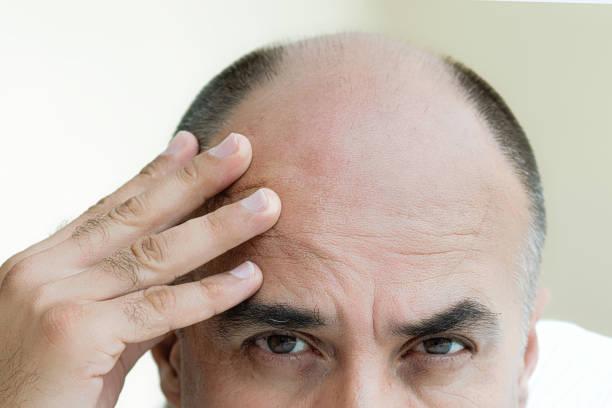
Natural hair growth depends on healthy follicles, an appropriate growth cycle, and the condition of the scalp. When these processes are affected by genetics, hormonal changes, aging, or other factors, hair may gradually become thinner. PRP uses a concentrated component of the patient's own blood and is administered to targeted areas of the scalp. For people considering PRP Hair Treatment in Riyadh, understanding the connection between PRP and natural hair growth can help set realistic expectations about the treatment.
Understanding Natural Hair Growth
Hair does not grow continuously at the same rate. Each follicle moves through a natural cycle that includes active growth, transition, and resting phases. The length and behavior of these phases can vary between individuals.
The Growth Phase
During the active growth phase, cells within the follicle produce the hair shaft. This phase is important for maintaining hair density and length.
The Resting and Shedding Phases
After the growth phase, follicles transition into a resting period before the existing hair eventually sheds. A new growth cycle can then begin. Changes in the balance of these phases may contribute to visible thinning.
What Is PRP Hair Treatment?
PRP stands for platelet-rich plasma. During treatment, a small sample of the patient's blood is collected and processed to concentrate platelets within the plasma. The prepared PRP is then administered into selected areas of the scalp.
Why Platelets Are Used
Platelets contain growth factors and other biologically active substances involved in tissue repair and cellular communication. PRP treatment aims to deliver a concentrated amount of these components to targeted scalp areas.
Targeting Thinning Areas
The provider identifies areas of reduced density and administers PRP through small injections. The treatment plan can vary according to the patient's hair-loss pattern and individual needs.
How PRP May Support Natural Hair Growth
PRP has been studied as a potential treatment for certain forms of hair loss. Its proposed effects relate to the biological activity of platelets and growth factors around hair follicles.
Supporting Follicle Activity
PRP may influence signaling processes around follicles and potentially support the local environment in which hair grows. This may be particularly relevant when follicles remain present but are producing finer or weaker-looking strands.
Encouraging a Supportive Scalp Environment
The components in PRP may participate in processes associated with tissue repair and cellular activity. The objective is to support the conditions around targeted follicles rather than artificially producing hair.
PRP Does Not Create New Follicles
An important part of understanding PRP is knowing what the treatment can and cannot do. PRP is generally intended to support existing viable follicles rather than create completely new follicles.
Existing Follicles Matter
If follicles are still present and capable of producing hair, they may have greater potential to respond to follicle-supporting approaches. A professional scalp assessment can help determine the condition of the treatment area.
Different Causes Require Different Approaches
Hair loss can result from several causes, including hereditary patterns, hormonal factors, nutritional issues, medical conditions, and scalp disorders. Identifying the underlying cause is important before selecting a treatment.
Who May Consider PRP for Natural Hair Growth?
PRP may be discussed with people experiencing certain patterns of hair thinning. However, suitability cannot be determined from hair appearance alone.
People With Thinning Hair
Individuals noticing gradual thinning or reduced density may benefit from discussing PRP with a qualified healthcare provider. An evaluation can determine whether the treatment matches their hair concerns.
People With Viable Follicles
PRP is generally more relevant when follicles remain capable of producing hair. Areas where follicles have been permanently lost may require consideration of other hair-restoration approaches.
What Happens During PRP Treatment?
A typical session begins with an examination of the scalp and identification of the areas requiring treatment. A small blood sample is then collected and processed before the PRP is administered.
Blood Collection and Preparation
The blood sample is processed to separate and concentrate the platelet-rich plasma. This prepared component is then used for the scalp treatment.
Scalp Injections
The PRP is introduced into targeted areas through a series of small injections. Some patients may experience temporary tenderness, redness, or sensitivity afterward.
When Does Natural-Looking Growth Become Noticeable?
PRP does not produce immediate hair growth. Hair follicles operate according to natural biological cycles, so potential improvements develop gradually.
Early Stages
During the first few weeks, the main focus is recovery and the gradual biological response of the scalp. Visible changes may be limited during this period.
Over the Following Months
Potential changes in hair thickness and density may become more noticeable over a longer period. Individual response varies, and your provider can explain what timeline is reasonable for your treatment plan.
Factors That Affect Natural Hair Growth
PRP is only one factor that may influence a hair-restoration plan. Several personal and environmental factors can affect follicle health and hair growth.
Genetics and Hormones
Genetic patterns and hormonal changes can play an important role in hair thinning. Understanding these factors may help determine which treatments are appropriate.
Nutrition and General Health
Adequate nutrition and overall health are also relevant to healthy hair. Nutritional deficiencies or underlying health issues may contribute to hair changes and should be discussed with a healthcare professional when suspected.
Maintaining Hair Health After PRP
Following professional aftercare recommendations is important after treatment. Gentle scalp care and healthy habits can complement a broader hair-management plan.
Follow Your Provider's Instructions
Your provider may recommend specific guidance about washing, exercise, hair products, and other activities after treatment. Follow those instructions carefully during recovery.
Monitor Changes Over Time
Hair growth is gradual, so monitoring changes over several weeks or months can provide a more useful picture than judging the treatment immediately after a session.
Setting Realistic Expectations
PRP is designed to support the natural processes associated with hair growth rather than guarantee a specific outcome. Results can differ based on the cause of hair loss, follicle condition, treatment schedule, and individual response. If you are exploring PRP Hair Treatment in Riyadh, a consultation can help determine whether PRP is suitable for your hair goals and explain what you may reasonably expect.
Book an Appointment
If you want to explore how PRP may fit into a natural hair-growth plan, book a consultation with Royal Clinic Saudia. A professional assessment can help identify your hair concerns and guide you toward an appropriate treatment approach.
FAQs:
Does PRP promote natural hair growth?
PRP may support the activity of existing hair follicles and the local scalp environment. Its effectiveness can vary depending on the individual and the underlying cause of hair loss.
Can PRP create new hair follicles?
PRP is not generally intended to create new hair follicles. It is primarily used to support existing viable follicles that may still have the capacity to produce hair.
How soon can I see hair growth after PRP?
Potential changes develop gradually because hair follows a natural growth cycle. Your provider can give you a more individualized expectation based on your condition and treatment plan.
Can PRP replace other hair-loss treatments?
PRP may be used alone or as part of a broader hair-management plan, depending on the cause of hair loss. A professional evaluation can help determine which options are appropriate.

 English
 Arabic
 French
 Spanish
 Portuguese
 Turkish
 Dutch
Dutch
 Italiano
 Russian
 Romaian
 Portuguese (Brazil)
 Greek
Greek