

Shoe Washing Business: Equipment, Investment and Setup Guide
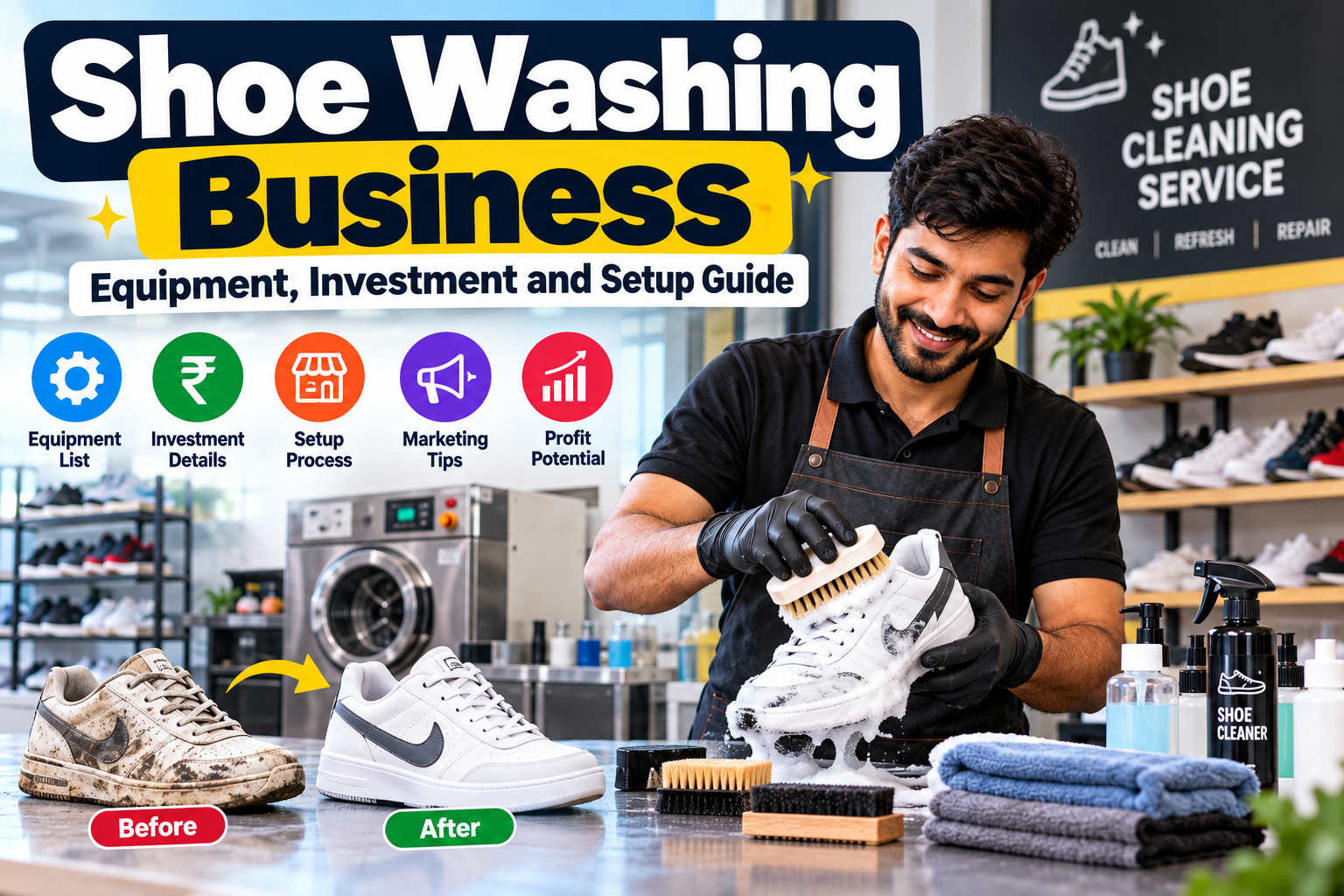
The demand for professional footwear care is growing as people become more conscious about maintaining expensive sneakers, sports shoes, leather footwear, and everyday pairs. A professional cleaning service can offer convenience while helping customers extend the usable life of their footwear. For entrepreneurs, this creates an opportunity to build a specialised service with manageable space and equipment requirements. However, success depends on choosing suitable machines, planning the investment carefully, and establishing an efficient workflow.
Understanding the Shoe Cleaning Market
Before investing, it is important to understand the customers you want to serve. Students, office workers, athletes, sneaker enthusiasts, families, and businesses may all require footwear cleaning services. Different customers can have different expectations, from basic washing to specialised stain removal and restoration.
A well-planned shoe washing business can offer several services instead of depending on one cleaning package. Basic washing, deep cleaning, sole cleaning, deodorising, drying, polishing, stain treatment, and minor restoration can be offered according to the condition and material of the footwear.
Researching local demand is equally important. Study nearby competitors, their pricing, turnaround times, service options, customer reviews, and locations. This information can help you identify gaps and create a service model that meets local requirements.
Essential Equipment for Setup
Equipment is one of the most important parts of the setup because cleaning footwear requires different techniques depending on the material. The exact equipment needed will depend on your service range and expected order volume.
1. Washing and Cleaning Machines
A suitable footwear cleaning machine can improve consistency and reduce manual effort. Depending on the business model, you may consider specialised shoe washing equipment, compact washing units, or commercial cleaning machines designed for delicate items.
The machine should be selected based on capacity, cleaning method, water consumption, maintenance requirements, and the types of footwear you plan to handle.
2. Cleaning Brushes
A selection of brushes is essential. Soft-bristled brushes can be used for delicate fabrics, while medium or harder brushes may be appropriate for soles and durable materials. Having different sizes also makes it easier to clean small areas and difficult-to-reach sections.
3. Cleaning Solutions
Use cleaning products suitable for different materials. Fabric, mesh, canvas, suede, synthetic materials, rubber, and leather may require different treatments. Avoid using a single harsh chemical on every type of footwear because it may cause fading, discoloration, or material damage.
4. Drying Equipment
Proper drying is crucial. Excessive heat can damage adhesives, leather, colours, and synthetic materials. Air dryers, shoe drying racks, ventilation systems, and controlled drying cabinets can help improve turnaround times while protecting footwear.
5. Steam Cleaning Equipment
A steam cleaner can be useful for selected footwear and specific cleaning applications. It may help loosen dirt and refresh certain surfaces, but operators should first verify that the material can safely tolerate steam.
6. Worktables and Storage
Organised workstations make operations easier. You need dedicated areas for receiving footwear, inspection, cleaning, drying, quality checking, packaging, and completed orders. Shelving or labelled storage racks can prevent shoes from getting mixed up.
Investment Required
The investment for a footwear cleaning operation varies significantly depending on its size, location, equipment quality, service range, and whether the business operates independently or through a franchise model.
A small setup may begin with basic cleaning equipment, worktables, storage racks, drying arrangements, cleaning products, packaging materials, branding, and a modest shop or workshop. A larger facility may require specialised machines, advanced drying systems, multiple workstations, delivery infrastructure, and additional employees.
Your initial budget should account for more than machinery. Consider the following expenses:
-
Shop deposit and rent
-
Equipment and installation
-
Cleaning chemicals and consumables
-
Worktables and storage
-
Drying and ventilation systems
-
Packaging materials
-
Branding and signage
-
Staff recruitment and training
-
Registration and compliance expenses
-
Marketing and advertising
-
Delivery or pickup arrangements
-
Working capital
Keeping an emergency fund is also important. New businesses can take time to build a stable customer base, so having sufficient working capital can help cover operating expenses during the initial months.
Choosing the Right Location
Location can directly influence visibility and customer convenience. A small storefront near residential areas, colleges, offices, gyms, sports facilities, shopping areas, or sneaker stores may provide access to relevant customers.
However, a premium high-rent location is not always necessary. If your model includes pickup and delivery, you can potentially operate from a less expensive workshop while serving customers across a wider area.
Consider accessibility, water availability, drainage, electricity, ventilation, storage space, and delivery access before signing a lease.
Designing an Efficient Workflow
A professional cleaning process should be systematic. Start by inspecting each pair and recording its condition. Take photographs where appropriate, especially when the footwear has existing damage or stains.
The general workflow can include:
-
Customer order registration
-
Footwear inspection
-
Material identification
-
Pre-treatment and stain assessment
-
Cleaning
-
Sole treatment
-
Drying
-
Quality inspection
-
Finishing and deodorising
-
Packaging and delivery
This process helps reduce mistakes and ensures that each pair receives the appropriate treatment.
Staffing and Training
Employees should understand footwear materials and cleaning techniques. Training should cover chemical handling, brush selection, machine operation, stain treatment, drying methods, customer service, and quality control.
Staff should also learn when not to use a particular treatment. Some stains cannot be completely removed, while certain materials may be permanently damaged. Communicating these limitations before starting the service can help manage customer expectations.
As order volumes increase, assigning separate responsibilities for cleaning, drying, quality checks, and customer handling can improve efficiency.
Pricing Your Services
Pricing should reflect the type of footwear, cleaning complexity, turnaround time, and additional services required. Basic fabric shoes may have a different price from premium sneakers, suede footwear, or heavily stained sports shoes.
You can create multiple service packages, such as basic cleaning, deep cleaning, premium cleaning, express service, and restoration. Add-on services such as deodorising, sole whitening, stain treatment, and protective coating can increase the value of individual orders.
Before finalising prices, calculate your material costs, labour, rent, electricity, packaging, delivery, maintenance, and other operating expenses.
Marketing Your Business
Digital marketing can be particularly useful for footwear care services because cleaning results are highly visual. Before-and-after photographs and short videos can demonstrate the difference your service makes.
Create a professional online presence and encourage satisfied customers to leave reviews. Social media platforms can be used to showcase cleaning processes, footwear transformations, customer testimonials, and special offers.
Partnerships can also generate business. Consider connecting with gyms, sports academies, sneaker retailers, hostels, colleges, corporate offices, and local fashion stores.
Managing Quality and Customer Trust
Customer trust is essential because customers are handing over personal and sometimes expensive footwear. Use order tags, photographs, digital records, and clear delivery timelines to reduce the possibility of misplaced items.
Explain the expected results before beginning difficult cleaning jobs. If footwear has permanent stains, cracks, peeling material, or damaged soles, inform the customer rather than promising complete restoration.
Consistent quality can encourage repeat orders and referrals, which are particularly valuable for a service-based business.
Conclusion
Starting a shoe washing business requires more than purchasing cleaning equipment. Entrepreneurs need to understand footwear materials, select appropriate machinery, plan their investment, establish an efficient workflow, train staff, and develop reliable quality-control procedures. A carefully planned setup can serve individual customers as well as institutional clients and can gradually expand into pickup and delivery, restoration, and specialised footwear-care services.
The key is to begin with a practical service range, control operating costs, maintain consistent quality, and build customer trust. With the right equipment, suitable location, trained staff, and effective marketing strategy, footwear care can become a structured and scalable service opportunity.

 English
 Arabic
 French
 Spanish
 Portuguese
 Deutsch
 Turkish
 Dutch
Dutch
 Italiano
 Russian
 Romaian
 Portuguese (Brazil)