

How AI Is Changing the Way Businesses Approach Digital Advertising
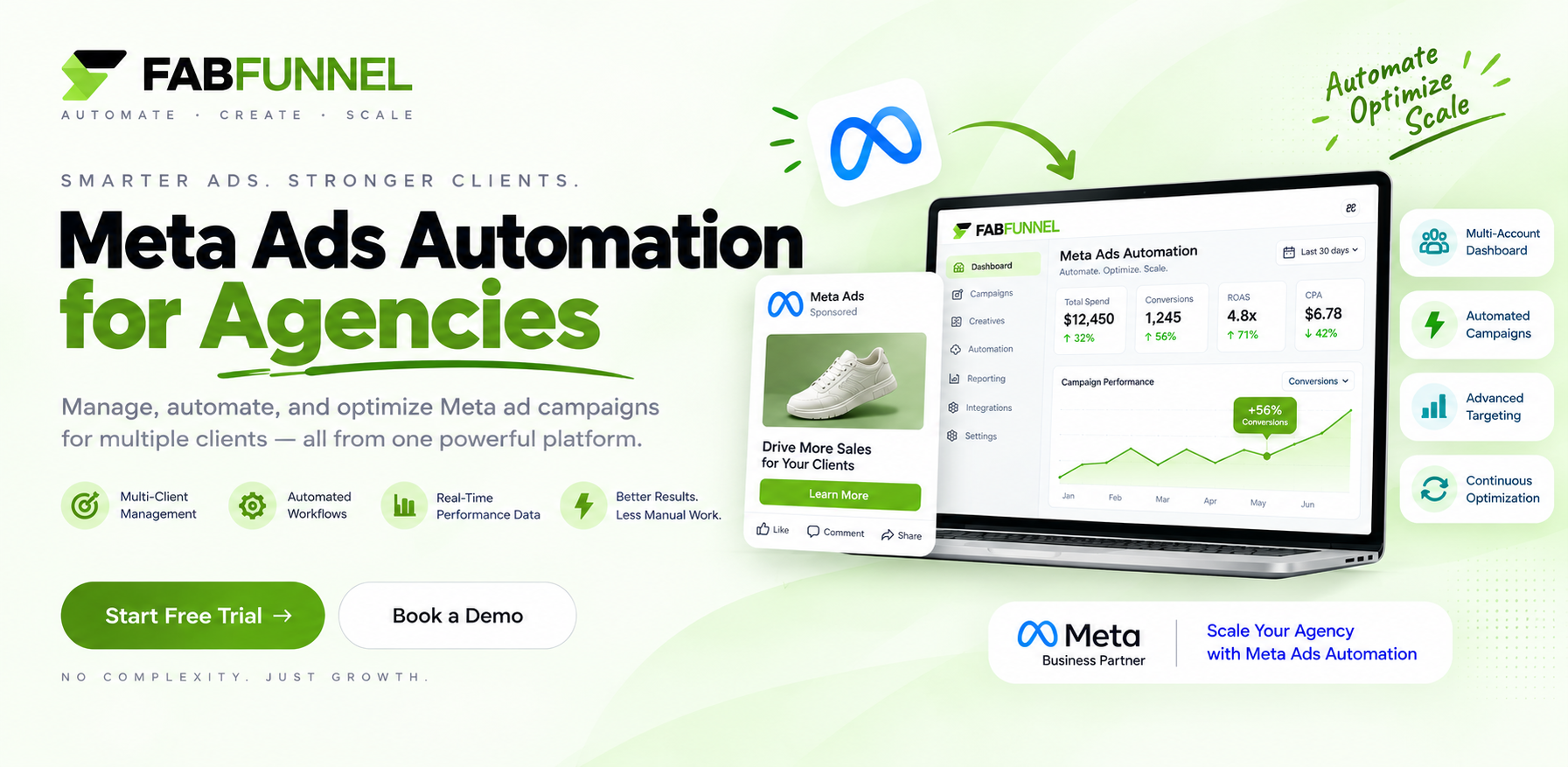
Artificial intelligence is becoming an increasingly important part of digital advertising. What once required marketers to spend hours creating variations, monitoring campaigns, organizing performance data, and preparing reports can now be supported by automated systems.
The biggest change, however, is not simply that AI can perform tasks faster. It is changing how marketing teams approach the entire advertising workflow.
From Manual Work to Automated Workflows
Traditional digital advertising often involves a large amount of repetitive work.
A marketer may need to create multiple ad variations, upload creatives, configure campaigns, check performance, adjust budgets, and prepare reports.
When the number of campaigns increases, these tasks can become difficult to manage manually.
AI-powered advertising platforms can help automate parts of this process, allowing marketers to spend more time on strategy and less time on repetitive execution.
AI Can Help With Creative Production
Creative testing is an important part of digital advertising.
Instead of relying on a single image or message, marketers can test different:
- Headlines
- Images
- Videos
- Offers
- Calls to action
- Audience angles
AI tools can help generate variations that marketers can then review, refine, and test.
This doesn't mean every AI-generated creative will perform well. Human review is still important because effective advertising needs to match the brand, audience, product, and overall marketing strategy.
Campaign Launches Can Become Faster
Another area where automation can be useful is campaign deployment.
When marketers need to launch many campaign variations, manually configuring every campaign can take significant time.
Modern advertising platforms can help teams create and deploy multiple variations from a more centralized workflow.
For example, FabFunnel's advertising platform combines AI creative generation, bulk campaign launching, automation, and reporting in one workflow.
This approach can be particularly useful for teams that regularly test multiple creative and campaign combinations.
AI Can Help Marketers Monitor Performance
Advertising doesn't stop when a campaign goes live.
Campaign performance can change throughout the day as spending, conversions, costs, and engagement fluctuate.
Automation can monitor predefined conditions and trigger actions when specific thresholds are reached.
For example:
Campaign Performance
        ↓
Metric Check
        ↓
Condition Reached?
     ↙       ↘
   Yes        No
    ↓          ↓
Take Action   Continue
Rules can be based on metrics such as CPA, ROAS, CTR, or spending limits. FabFunnel, for example, provides rule-based automation that can pause campaigns, adjust budgets, duplicate ad sets, or send alerts based on defined conditions.
Better Reporting and Data Visibility
Advertising teams also spend a considerable amount of time collecting and organizing performance data.
When businesses run multiple accounts, manually switching between dashboards can make reporting more complicated.
Centralized reporting can provide a single view of important metrics and make it easier to identify trends.
FabFunnel's Meta advertising workflow, for instance, brings account performance into one dashboard and states that Meta data such as spend, ROAS, CPA, and CTR is synced every 15 minutes.
The value of this type of system isn't simply having more data. It is being able to identify useful information quickly enough to make informed decisions.
Human Expertise Still Matters
AI can automate many operational tasks, but advertising still requires human judgment.
Marketers need to understand:
- The target audience
- Brand positioning
- Customer motivations
- Product-market fit
- Creative messaging
- Campaign objectives
- Business economics
AI can provide recommendations, generate variations, and execute predefined workflows, but marketers remain responsible for deciding what makes sense for the business.
The most useful approach is therefore not AI versus marketers.
It is AI supporting marketers.
A More Efficient Advertising Workflow
A modern advertising workflow can combine human strategy with automated execution:
Strategy → Creative Development → Campaign Launch → Automated Monitoring → Performance Analysis → Optimization
This allows teams to spend less time on repetitive processes while maintaining human oversight over important decisions.
For agencies managing multiple client accounts, specialized solutions such as Meta ads Automation for Agencies can help organize campaign operations, reporting, permissions, and automation across client workspaces.
The Future of Digital Advertising
AI is likely to become increasingly integrated into advertising workflows.
Creative generation, campaign deployment, performance monitoring, reporting, and optimization are all areas where automation can reduce repetitive work.
However, successful advertising will still depend on understanding people.
Technology can help marketers work faster and process more information, but strong campaigns still require relevant ideas, useful offers, compelling communication, and a clear understanding of the customer.
Final Thoughts
AI is changing digital advertising by making many repetitive processes faster and more structured.
Businesses can use automation to generate creative variations, launch campaigns, monitor performance, organize reporting, and respond to predefined conditions.
The most effective approach is to use AI as an operational advantage while keeping human expertise at the center of marketing strategy.
As advertising becomes more automated, the marketers who can combine technology with creativity and strategic thinking will be better positioned to make use of the growing amount of data and opportunities available online.

 English
 Arabic
 French
 Spanish
 Portuguese
 Turkish
 Dutch
Dutch
 Italiano
 Russian
 Romaian
 Portuguese (Brazil)
 Greek
Greek
