

Custom Patches UK: Complete Guide to Choosing, Designing & Ordering Patches
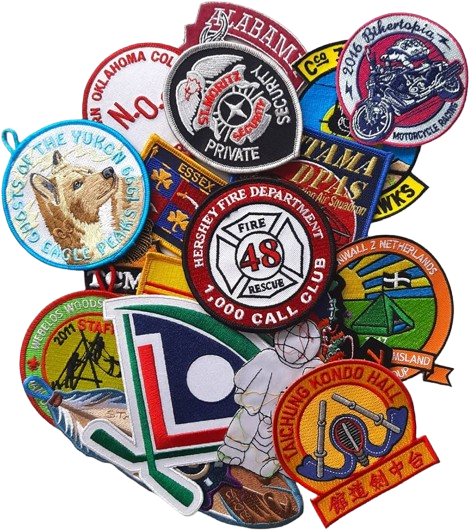
If you are looking for custom patches UK, the first decision is not simply which design looks good. The patch type, size, backing, level of detail and the item it will be attached to all affect the final result.
At Stitch Patches UK, we work with businesses, clubs, teams, brands and individuals who need patches for jackets, uniforms, hats, bags, sportswear and merchandise. Customers can start with a finished logo, design file, sketch or even a rough idea. We then help prepare the design, provide a proof to review and make changes before production.
Quick answer: The best custom patch depends on your design and how you plan to use it. Embroidery suits classic logos and bold lettering, woven patches work well for finer detail, PVC is useful for a raised or durable-looking finish, chenille suits large varsity-style designs, while printed patches can reproduce gradients, photographs and highly detailed artwork.
What Are Custom Patches?
Custom patches are made-to-order badges or emblems produced around a customer's own logo, name, graphic or design. Depending on the patch type, they can be made using embroidered thread, woven material, PVC, leather, printed surfaces or other fabric construction methods.
They are commonly attached to:
-
Jackets and coats
-
Uniforms and workwear
-
Sportswear and team clothing
-
Hats and caps
-
Bags and backpacks
-
Club and organisation clothing
-
Brand merchandise
-
Personal clothing and creative projects
The right patch is mainly determined by the design, the amount of detail, the material it will be attached to and the finish you want.
Which Type of Custom Patch Should You Choose?
There is no single patch type that works best for every design. Here is a practical way to compare the main options.
| Patch type | Usually suits | Main characteristic |
|---|---|---|
| Embroidered | Logos, names, uniforms, jackets | Traditional stitched texture |
| Woven | Fine lettering and detailed logos | Smooth surface |
| Chenille | Varsity jackets, teams, initials | Raised yarn texture |
| PVC | Outdoor, tactical and bold designs | Flexible, defined finish |
| Printed | Photos, gradients, detailed artwork | High-detail reproduction |
| Leather | Simple logos and names | Distinct leather finish |
| 3D embroidered | Bold logos and lettering | Raised embroidered sections |
| Applique | Large shapes and bold designs | Layered fabric construction |
These distinctions are also consistent with formal textile classifications that separately identify embroidery, woven badges and chenille materials.
Embroidered Patches
Embroidered patches remain a practical choice when you want the familiar stitched-custom patches uk appearance.
They work particularly well for:
-
Club logos
-
Team names
-
Uniform badges
-
Motorcycle and biker designs
-
Brand logos
-
Names and lettering
-
Jacket patches
The design is created with thread, giving the surface a textured appearance. Bold shapes and clear lettering generally translate more easily than extremely fine details.
If your logo contains very small text or thin lines, it is worth checking the design at the intended finished size before choosing embroidery.
Woven Patches
Woven patches use tightly woven threads rather than the raised thread structure associated with traditional embroidery.
They can be useful when your design contains:
-
Smaller lettering
-
Fine lines
-
Detailed symbols
-
Cleaner, flatter shapes
-
More intricate logo elements
The surface is generally smoother, making woven patches a useful alternative when you want detail without the more textured appearance of embroidery.
Chenille Patches
Chenille patches have a raised yarn surface and are strongly associated with varsity jackets and team apparel.
They are particularly suitable for:
-
Large initials
-
Numbers
-
Bold lettering
-
Team names
-
Varsity-style designs
-
Large simple logos
Because the yarn creates a strong visual texture, simple shapes usually work better than designs packed with tiny details.
PVC Patches
PVC patches are made from flexible PVC rather than embroidered thread or woven fabric.
They can suit:
-
Outdoor clothing
-
Bags
-
Tactical-style gear
-
Jackets
-
Uniforms
-
Bold logos
-
Designs requiring defined edges
PVC also allows raised and recessed details within the same design, giving the patch a different visual character from textile-based patches.
Printed Patches
Printed patches are useful when the design contains details that would be difficult to reproduce with thread.
They can work well for:
-
Photographs
-
Gradients
-
Shading
-
Complex illustrations
-
Multi-colour graphics
-
Detailed brand artwork
If your design depends heavily on smooth colour transitions or photographic detail, a printed construction may be worth considering.
Leather Patches
Leather patches have a different appearance from embroidered and woven patches. They are often chosen for simpler logos, names and badges on products such as hats, jackets and bags.
A leather patch can work particularly well when the material itself is part of the visual identity.
3D Embroidered Patches
3D embroidered patches use raised stitching to make selected parts of the design stand out.
They can be useful for:
-
Bold logos
-
Large lettering
-
Symbols
-
Hat designs
-
Jacket branding
-
Club logos
The raised section does not necessarily need to cover the entire patch. Selected elements can be given additional depth while other parts remain flat.
Applique Patches
Applique patches are constructed using fabric pieces combined with stitching. This allows the fabric itself to contribute to the colour and texture of the design.
They can suit larger:
-
Letters
-
Numbers
-
Logos
-
Colour blocks
-
Club designs
-
Team designs
What Makes a Good Custom Patch Design?
A good patch design is not necessarily the most complicated one.
The most important question is whether the design will remain recognisable at the final physical size.
Before production, check:
-
Text size — very small lettering can become difficult to read.
-
Line thickness — extremely thin lines may need adjustment.
-
Colour contrast — foreground and background colours should remain distinguishable.
-
Shape — the outer shape should support the design rather than crowd it.
-
Patch size — the finished dimensions affect how much detail can be retained.
-
Backing — choose a backing that suits how the patch will be attached.
-
Material — embroidery, woven, PVC and other constructions produce different visual results.
This is why sending the original logo alone is not always the end of the design process. A logo created for a website, for example, may need small adjustments before it works well as a physical patch.
How Big Should a Custom Patch Be?
There is no universal patch size.
The correct dimensions depend on the item, available space and amount of detail in the design.
For example:
-
A name patch for a uniform may need a relatively compact format.
-
A large jacket back patch can accommodate more visual information.
-
A hat patch needs to work within a smaller area.
-
A team chest patch needs to remain readable from a practical viewing distance.
-
A bag patch can often use a larger or more decorative format.
Before production, consider both the physical area available and the smallest details that need to remain visible.
Sew-On, Iron-On or Velcro: Which Backing Is Better?
The backing should be selected according to how the patch will be used.
Sew-On
Sew-on patches are attached directly to the garment or item with stitching.
They can be suitable for:
-
Jackets
-
Uniforms
-
Bags
-
Heavy fabrics
-
Long-term applications
Iron-On
Iron-on backing uses heat to attach the patch to a suitable fabric surface.
It can be convenient for clothing projects where heat application is appropriate. Always consider the garment material and the manufacturer's care instructions before applying heat.
Velcro
Velcro-backed patches are useful when you want to remove or change the patch.
They are commonly considered for:
-
Tactical-style clothing
-
Bags
-
Equipment
-
Uniforms
-
Items with compatible hook-and-loop panels
The backing choice should therefore follow the use case rather than simply the appearance of the patch.
What Should You Send When Ordering Custom Patches?
You do not necessarily need a finished production-ready file.
Useful starting materials include:
-
Logo files
-
Vector artwork
-
PNG or JPG images
-
Existing patch photographs
-
Sketches
-
Text or names
-
Brand colours
-
Examples of styles you like
-
The approximate patch size
-
Information about where the patch will be attached
If you only have a rough idea, explain what you want the patch to look like and where it will be used.
At Stitch Patches UK, customers can send a logo, artwork or rough idea and receive a design proof before production. This gives you an opportunity to check the layout, colours, shape and details before approving the final version.
How Does the Custom Patch Design Process Work?
A straightforward patch order usually follows these stages:
1. Send Your Design or Idea
Start with your logo, graphic, text, sketch or reference.
2. Discuss the Patch Requirements
The important details include size, shape, colours, patch type, backing and intended use.
3. Prepare the Design
The design is adjusted where necessary so it is suitable for the selected patch construction.
4. Review the Proof
A design proof allows you to see how the proposed patch will look before production begins.
5. Request Changes
If something needs adjusting, such as colours, lettering, layout or shape, those changes can be reviewed before approval.
6. Approve the Final Design
Once the design is approved, it can move forward for production.
This proofing stage is particularly useful because a digital logo and a physical patch do not always behave in exactly the same way.
How Much Do Custom Patches Cost in the UK?
There is no single price for every custom patch.
The cost can depend on factors such as:
-
Patch type
-
Size
-
Quantity
-
Shape
-
Number of colours
-
Level of detail
-
Backing
-
Finishing requirements
-
Production requirements
For this reason, a quote based on your actual design and requirements is more useful than relying on a generic price.
If you are comparing suppliers, make sure you are comparing the same specifications rather than looking at price alone.
How Long Do Custom Patches Take to Make?
Production time depends on the patch specifications, quantity, design approval and supplier workflow.
The design stage can also affect the overall timeline. Changes made before approval may require additional preparation, while a clear and approved design can move more directly into production.
If you have a specific deadline for an event, launch, team season or uniform order, mention it when requesting your quote so the production schedule can be checked before you place the order.
Who Uses Custom Patches in the UK?
Custom patches are used across a broad range of projects.
Businesses and Brands
Businesses can use patches for branded clothing, merchandise, uniforms, promotional products and staff apparel.
Clubs and Teams
Clubs can use patches for jackets, bags, uniforms and team clothing.
Sports Organisations
Sports teams can use names, numbers, logos and team identity patches on suitable apparel.
Workwear and Uniforms
Patches can identify departments, names, roles or organisations where appropriate.
Personal Projects
Individuals can use patches to customise jackets, hats, bags, clothing and creative projects.
Clothing and Merchandise Brands
Brands can incorporate patches into products as part of their visual identity or merchandise range.
Custom Patches UK for Different Applications
The same logo can require a different patch solution depending on where it will be used.
Jackets
Jackets provide space for embroidered, woven, chenille, PVC and leather patches. Large back designs can support more detail, while chest or sleeve patches may need a more compact layout.
Hats and Caps
Hat patches normally need to work within a smaller surface area. Bold logos, short text and clear shapes are generally easier to reproduce at this scale.
Uniforms
Uniform patches often need clear names, logos or organisational identification. The backing and attachment method should also suit the uniform material and expected use.
Bags
Bags can accommodate different patch constructions, particularly when the patch needs to function as both branding and decoration.
Teamwear
Team patches can include names, numbers, logos, mascots and club identity. Chenille and embroidered options are commonly considered for team and varsity-style designs.
How to Choose a Custom Patch Supplier
When comparing a custom patch supplier, look beyond the product photograph.
Check whether the supplier clearly explains:
-
Available patch types
-
Backing options
-
Design requirements
-
Proofing process
-
Production process
-
Revision policy
-
Delivery arrangements
-
Contact information
-
Relevant examples of previous work
A clear proofing process is particularly useful because it gives you a chance to review the proposed design before production.
Why Customers Use Stitch Patches UK
Stitch Patches UK works with businesses, clubs, teams, brands and individuals looking for custom patches in the UK and worldwide.
Our process starts with your design or idea. We help prepare the design for the selected patch type, provide a free design proof and give you the opportunity to review the result before production.
Patch options include:
-
Embroidered patches
-
Woven patches
-
Chenille patches
-
PVC patches
-
Printed patches
-
Leather patches
-
3D embroidered patches
-
Applique patches
The aim is straightforward: take the design you have and turn it into a patch that suits the clothing, product, team, club or project it is intended for.
Frequently Asked Questions About Custom Patches UK
What are custom patches?
Custom patches are made-to-order badges or emblems created around your own logo, text, graphic or design. They can be produced in different materials and attached to clothing, uniforms, bags, hats and other suitable items.
What is the best type of custom patch?
The appropriate type depends on the design and intended use. Embroidery suits many traditional logos, woven patches can handle finer detail, PVC provides a different raised or flat finish, chenille suits bold varsity designs and printed patches can reproduce detailed graphics.
Can you make patches from my logo?
Yes. A logo can be used as the starting point for a custom patch design. Depending on the selected patch type and final size, some elements may need adjustment so they reproduce clearly.
Can I see the design before production?
Yes. Stitch Patches UK provides a free design proof for customers to review before production.
Can I request changes to the proof?
Yes. Reviewing the proof gives you an opportunity to identify changes needed to colours, layout, shape, lettering or other design details before approval.
What backing should I choose?
Choose the backing based on how and where the patch will be used. Sew-on works well for direct attachment, iron-on can be convenient for suitable fabrics, and Velcro is useful when the patch needs to be removable.
Are custom patches only for businesses?
No. Businesses, clubs, teams, brands and individuals can all use custom patches for clothing, uniforms, bags, merchandise and personal projects.
Can I order patches for a club or team?
Yes. Custom patches can be designed around club logos, team names, numbers, mascots and other approved designs.
Key Takeaway
Choosing custom patches UK is easier when you start with the application rather than the patch material alone. Think about where the patch will go, how much detail the design contains, what finish you want and whether the patch needs to be permanent or removable.
If you already have a logo or design, send it to Stitch Patches UK for a free design proof. If you only have an idea, you can start with that too. The important part is getting the design, patch construction and intended use working together before production begins.
Ready to create your patch? Send your logo, artwork or idea to Stitch Patches UK and request a free design proof before production.

 English
 Arabic
 French
 Spanish
 Portuguese
 Deutsch
 Turkish
 Italiano
 Russian
 Romaian
 Portuguese (Brazil)
 Greek
Greek
