
Buttock Augmentation in Dubai: Improving Body Symmetry
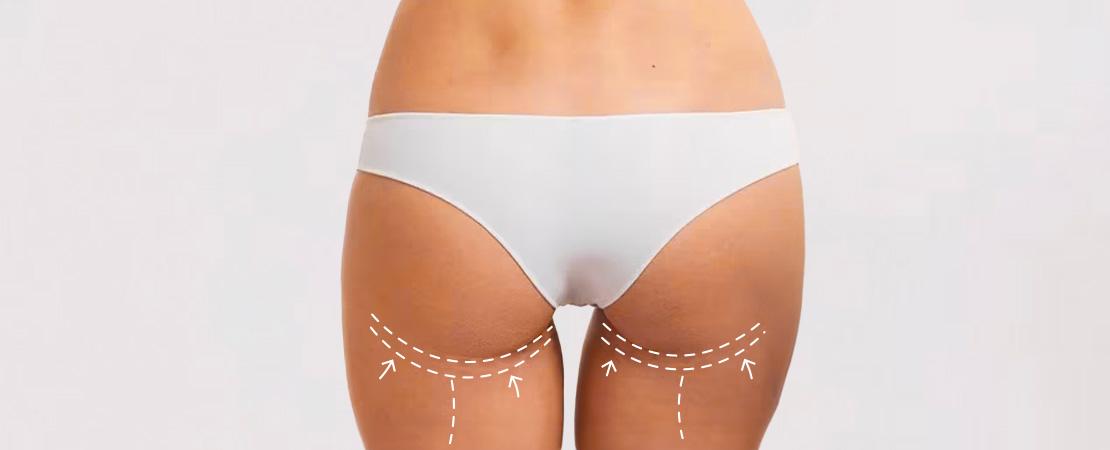
Body symmetry can influence how the overall silhouette appears from different angles. Buttock Augmentation in Dubai may be considered when differences in volume, projection, or contour affect the appearance of the buttocks. However, natural asymmetry is common, so the goal is generally to improve visual balance rather than create mathematically identical sides.
Understanding Natural Asymmetry
The human body is rarely perfectly symmetrical. Differences can result from skeletal structure, muscle development, fat distribution, posture, or previous changes in body composition.
Small variations may only become noticeable when viewed closely, while more pronounced differences can affect the overall appearance of the lower body.
Identifying Where the Difference Appears
Asymmetry can involve several areas. One side may have less fullness, a different curve, or a slightly different projection from the other.
A careful assessment can distinguish between differences in the buttocks themselves and variations originating from the hips, waist, thighs, or underlying body structure.
Comparing Multiple Views
A single photograph or viewing angle does not always show the complete contour. Front, side, and rear perspectives can reveal different aspects of body symmetry.
Looking at the complete silhouette provides a broader understanding of which areas contribute to the perceived imbalance.
The Influence of Pelvic Structure
The underlying pelvic structure can affect the position and appearance of the buttocks. Because bone structure cannot simply be reshaped through soft-tissue enhancement, expectations need to account for anatomical limitations.
Soft-tissue contouring may improve certain visual differences, but it cannot eliminate every structural variation.
Uneven Fat Distribution
Differences in natural fat distribution can also contribute to asymmetry. One side may contain slightly more or less soft tissue than the other.
When fat-based enhancement is appropriate, treatment planning can take existing differences into account when considering the distribution of transferred tissue.
Previous Weight Changes
Significant weight gain or loss can change the volume and shape of the buttocks unevenly. Skin elasticity may also vary between sides after substantial changes in body composition.
Understanding these previous changes can be useful when evaluating the current contour and setting realistic expectations.
The Role of Muscle Development
The gluteal muscles contribute to the underlying shape of the buttocks. Differences in exercise patterns, movement habits, or natural muscle development may influence symmetry.
Not every difference is related to fat volume, which is why a broader anatomical assessment can be useful.
Creating Visual Balance
Improving symmetry does not necessarily mean adding the same amount of volume to both sides. If the starting contours differ, an individualized distribution may be considered to create a more balanced appearance.
The desired outcome should be based on the overall silhouette rather than an assumption that both sides require identical treatment.
What Treatment Cannot Change
Soft-tissue enhancement has limitations. Structural differences, pelvic anatomy, skin characteristics, and other underlying factors may continue to influence the final appearance.
Understanding these limitations helps prevent unrealistic expectations about achieving absolute symmetry.
Changes During Healing
Temporary swelling can make one side appear different from the other during early recovery. As swelling decreases, the contour can become more consistent and easier to evaluate.
For this reason, symmetry should generally be assessed after sufficient healing rather than during the earliest postoperative stage.
Long-Term Symmetry
Body symmetry can change naturally over time. Weight fluctuations, aging, exercise patterns, and other changes in body composition may affect the appearance of both sides.
Maintaining realistic expectations about these natural changes is part of long-term body-contouring planning.
Setting a Practical Goal
The most useful objective is often visual harmony rather than perfect duplication between the left and right sides. A balanced result should complement the individual's proportions while respecting their natural anatomy.
Clear communication about the specific asymmetry that concerns you can help make treatment planning more focused.
Final Thoughts
Body symmetry involves the relationship between soft tissue, muscle, skeletal structure, and surrounding contours. Buttock Augmentation in Dubai may help address selected differences in volume or projection, but natural anatomical variations remain important when establishing expectations. TAJMEELS CLINIC can assess individual contour concerns and provide personalized guidance about realistic options for improving overall body balance.
For More Details, Contact Us Through:
WhatsApp: +971 56 203 8751
Phone: +971 4 373 9000
Social Media:

 English
 Arabic
 French
 Spanish
 Portuguese
 Turkish
 Dutch
Dutch
 Italiano
 Russian
 Romaian
 Portuguese (Brazil)
 Greek
Greek