

Hydroseeding North Texas: Best Times to Seed, Costs, and What to Expect
Although hydroseeding can simplify large-scale lawn establishment, successful results depend on more than the application itself. Grass variety, soil preparation, installation timing, irrigation, drainage, and maintenance all affect how well the lawn develops. Texas A&M AgriLife Extension notes that grass selection and planting practices should be matched to regional conditions and the intended use of the turf. Understanding these factors before starting a project can help homeowners and builders make better decisions about timing, budgeting, and long-term lawn care.
Establishing a healthy lawn across a North Texas property can be challenging when heat, changing weather, compacted soil, and uneven terrain are involved. Hydroseeding North Texas projects can provide an efficient way to establish grass across residential lawns, new construction sites, open lots, and larger landscapes. Instead of spreading dry seed separately, hydroseeding combines seed, water, mulch, and other appropriate materials into a slurry that is sprayed across prepared soil. The method can provide broad coverage while giving developing seed additional protection and moisture support.
What Is Hydroseeding?
Hydroseeding is a planting technique in which grass seed is mixed with water, hydraulic mulch, and commonly fertilizer before being sprayed onto a prepared seedbed. Specialized equipment allows the mixture to be distributed across large areas relatively efficiently. The mulch can help maintain moisture around the seed and provide a protective surface during the early stages of establishment. This makes hydroseeding particularly useful for properties where conventional hand seeding would require substantial labor or where the terrain makes traditional application difficult.
The process does not produce an instant lawn, and homeowners should expect a gradual transition from bare soil to established turf. Seeds must germinate, develop roots, and become strong enough to tolerate regular mowing and normal lawn activity. The exact timeline varies according to the selected grass, soil temperature, moisture, sunlight, and weather. A professional contractor should therefore evaluate the property before recommending a specific seed mixture or installation schedule.
What Is the Best Time for Hydroseeding in North Texas?
Timing is one of the most important considerations for Hydroseeding North Texas projects. Many commonly seeded warm-season grasses perform best when soil temperatures are warm enough to encourage active germination and growth. Texas A&M AgriLife identifies warm-season grasses such as bermudagrass as options for Texas and explains that warm-season turf should generally be seeded during the period when conditions support establishment. Choosing a suitable planting window can give young grass more time to develop before facing unfavorable seasonal conditions.
Fall can also be relevant depending on the grass being established and the project's goals. Texas A&M guidance identifies early October as a recommended period for overseeding warm-season turf with cool-season perennial ryegrass in North Texas, although overseeding is a different process from establishing a new permanent lawn. Because grass varieties have different temperature and seasonal requirements, there is no universal date that works for every hydroseeding project. Contractors should consider the seed variety, soil conditions, expected weather, and irrigation capacity before scheduling installation.
How Much Does Hydroseeding Cost in North Texas?
Hydroseeding costs can vary substantially because every property has different preparation and material requirements. Current North Texas contractor estimates commonly place straightforward projects somewhere around $0.06 to $0.25 per square foot, although actual pricing can fall outside that range depending on site conditions. One current North Texas cost guide gives a broad planning range of approximately $0.08 to $0.25 per square foot and notes that acreage projects can reach several thousand dollars. These figures should be treated as budgeting references rather than guaranteed prices.
For example, a relatively simple lawn with good access and a prepared surface may cost less than a property requiring grading, soil improvement, debris removal, difficult slope work, or additional erosion-control materials. Small projects can also have a higher effective cost per square foot because equipment mobilization and setup are spread across less area. Larger properties may benefit from better unit pricing because fixed setup expenses are distributed over more square footage. A professional site assessment is the most reliable way to establish an accurate project budget.
Factors That Influence Hydroseeding Prices
Property size is only one factor in determining the final hydroseeding cost. Soil condition can have a major effect because compacted, rocky, weedy, or poorly graded ground may require preparation before the slurry is applied. Slopes and difficult access can also increase labor and equipment requirements. Seed selection matters as well, because different grass varieties and seed mixtures have different material costs and performance characteristics.
Water availability and project logistics can also influence the price. Larger areas may require multiple tank loads, while properties without convenient access can require additional planning. Some projects may need soil amendments, erosion-control products, grading, or other preparatory work before hydroseeding begins. A detailed proposal should identify these components separately so homeowners understand what they are paying for. Comparing quotes based only on the lowest total price can be misleading if one proposal includes substantially more preparation or materials.
What to Expect During the Hydroseeding Process
A professional hydroseeding project normally begins with an assessment of the property and preparation of the planting area. The contractor may remove debris, address compacted soil, improve grading, manage existing vegetation, or make other corrections needed for proper seed-to-soil contact. Once the seedbed is ready, the selected seed, mulch, water, and other materials are mixed inside specialized equipment. The slurry is then sprayed systematically over the target area.
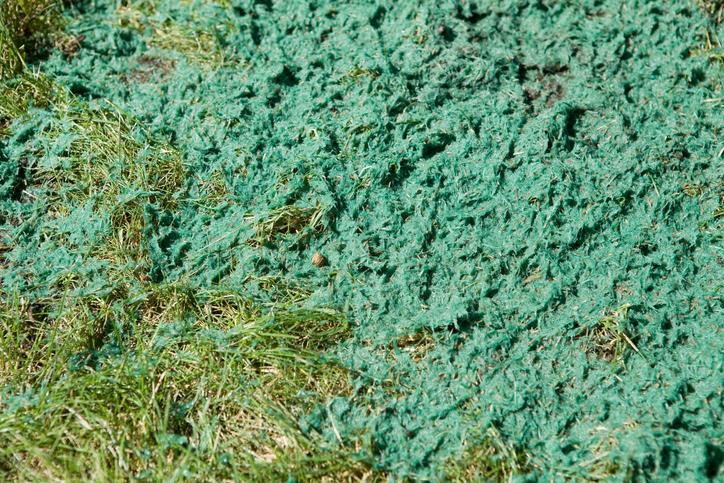
After application, the property may have a visible layer of mulch across the soil, sometimes with a temporary color added to help the operator identify where material has already been applied. The area will still look like a newly planted site rather than a mature lawn. The next stage is germination and establishment, during which consistent moisture becomes particularly important. Homeowners should follow the contractor's irrigation instructions closely because allowing the seedbed to dry excessively or become saturated can interfere with successful development.
How Long Does Hydroseeded Grass Take to Grow?
There is no single growth timeline that applies to every Hydroseeding North Texas project. Under favorable conditions, some grass varieties can begin germinating within days, while other varieties may take longer. Current North Texas contractor guidance commonly describes visible germination within roughly one to two weeks under appropriate watering conditions, with mowing height potentially reached several weeks later. These are general expectations rather than guarantees because temperature, moisture, seed variety, soil quality, and weather can significantly affect development.
Early growth should not be confused with full establishment. A lawn may begin turning green while its root system is still relatively immature and vulnerable to drought, excessive traffic, or poor maintenance. Watering requirements should gradually change as the roots develop and the grass becomes stronger. Homeowners should also avoid rushing into heavy mowing or recreational use before the turf is sufficiently established. Patience during the first several weeks can help protect the investment made during installation.
Hydroseeding vs. Sod for North Texas Properties
Sod and hydroseeding offer different approaches to lawn establishment. Sod provides mature turf immediately after installation, making it useful when a finished appearance is needed quickly. Hydroseeding begins with seed, so it requires a longer establishment period but can be more practical for larger areas where the cost of installing mature sod would be substantial. Texas A&M AgriLife notes that sod typically establishes more quickly, while seed can require additional irrigation, fertilization, weed control, and time during establishment.
The appropriate choice depends on the property and project priorities. A homeowner with a small area that needs immediate visual coverage may have different priorities from someone developing a large lot. Hydroseeding can be particularly attractive when extensive ground needs to be covered efficiently and the owner is prepared to manage the establishment period. Comparing installation costs, timelines, maintenance requirements, grass varieties, and site conditions can provide a more useful basis for choosing between the two methods.
Finding a Residential Hydroseeding Provider
Homeowners searching for residential hydroseeding near me should look beyond proximity when evaluating potential contractors. Experience with North Texas soil and growing conditions can be valuable, particularly when a project involves slopes, construction-disturbed soil, drainage issues, or a large lawn. Ask potential providers what seed mixture they recommend, how they prepare the soil, what materials are included, and what aftercare will be required. These questions can reveal whether the contractor is approaching the project as a complete lawn-establishment process.
It is also useful to request a detailed written estimate rather than relying on a general price-per-square-foot figure. The estimate should explain the approximate area, preparation requirements, seed mixture, mulch, fertilizer or amendments, application, and any additional services. Homeowners should also ask about watering responsibilities after installation and what conditions could affect the expected timeline. Clear communication before work begins can help prevent misunderstandings and make the project easier to manage.
Caring for Your Lawn After Hydroseeding
Water management is one of the most important factors after installation. Newly germinating seed needs consistent moisture, especially during warm or dry North Texas weather. However, excessive watering can cause runoff, erosion, pooling, or movement of seed and mulch. Irrigation should therefore be adjusted according to soil type, weather, grass variety, and drainage rather than following an identical schedule throughout the entire establishment period.
As the lawn develops, watering frequency can gradually change while mowing and other routine maintenance are introduced at the appropriate stage. Weed growth may occur because newly prepared soil contains open space before the turf becomes dense. Regular observation allows homeowners to identify dry areas, runoff, uneven growth, or other concerns early. A thoughtful maintenance routine during establishment can help the new lawn develop stronger roots and become more resilient over time.
Hydroseeding can be a practical and efficient option for North Texas homeowners who want to establish turf across residential lawns, larger properties, or newly prepared ground. The overall investment depends on project size, preparation requirements, seed selection, terrain, access, and other site-specific factors, while the best installation window depends on the grass being planted and seasonal conditions. Professional preparation and application can improve consistency, but proper watering and maintenance remain essential after the crew leaves. By understanding the costs, timing, process, and realistic growth expectations, property owners can approach their hydroseeding project with a clearer plan and more informed expectations.

 English
 Arabic
 French
 Spanish
 Portuguese
 Deutsch
 Turkish
 Italiano
 Russian
 Romaian
 Portuguese (Brazil)
 Greek
Greek