

How to Identify Authentic Mid-Century Modern Furniture: Tips for Spotting Genuine Pieces
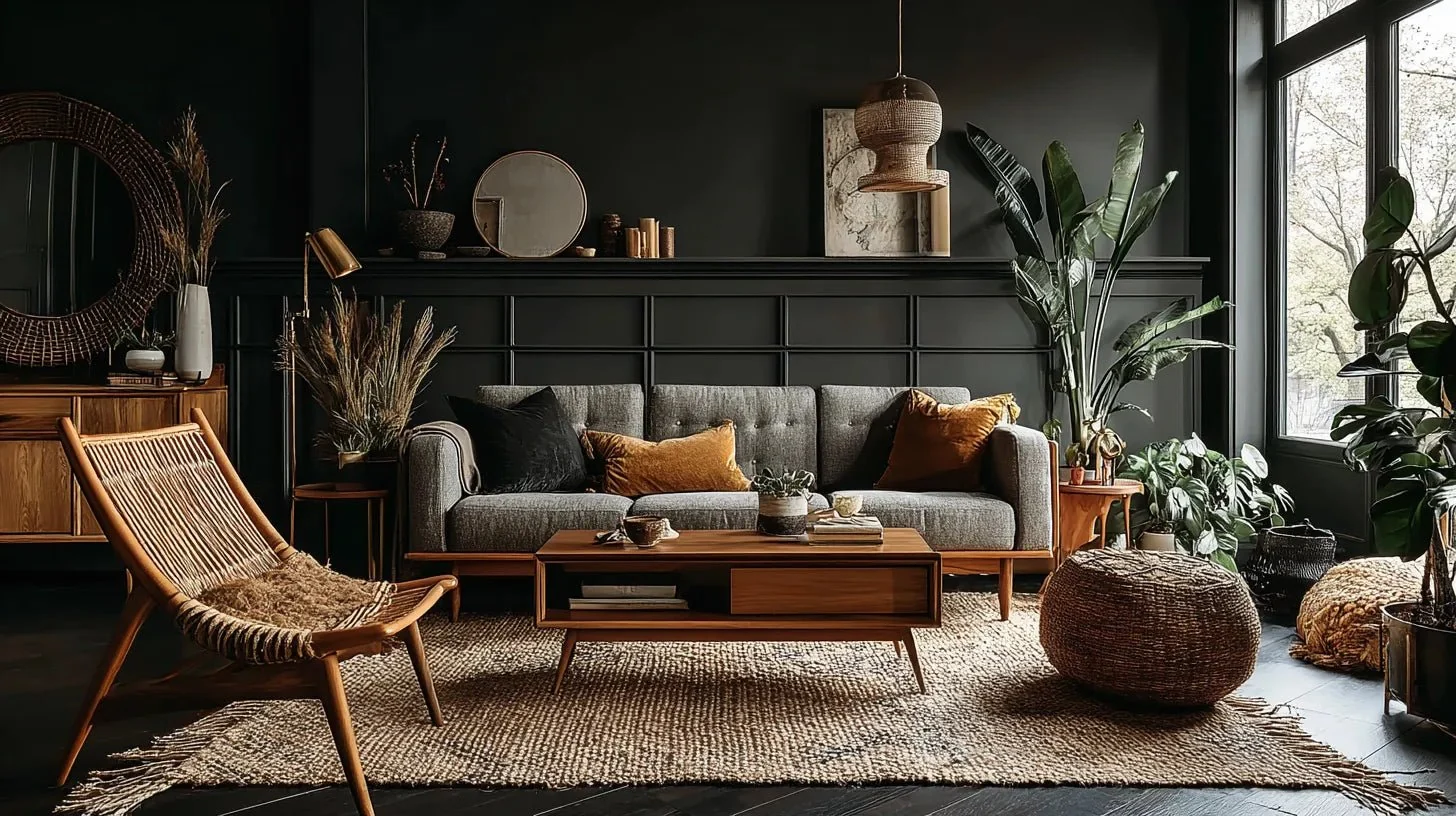
Authentic mid-century modern furniture has a distinctive character that continues to attract collectors, interior designers, and homeowners. Its clean lines, practical construction, natural materials, and carefully considered proportions make genuine pieces easy to appreciate once you know what to look for. However, the popularity of this design movement has also led to countless reproductions and newer pieces inspired by the period. Learning how to evaluate construction, materials, markings, proportions, and condition can help buyers make more informed decisions when searching for genuine mid-century furniture.
Understand What Defines Mid-Century Modern Furniture
Before identifying an authentic piece, it is important to understand what mid-century modern furniture actually represents. The term generally describes furniture associated with the design movement that became prominent around the middle of the 20th century, particularly from the 1940s through the 1960s. Designers emphasized functionality, simplicity, experimentation, and efficient use of materials. Instead of relying on elaborate decoration, they created furniture where the shape, construction, and material contributed to the overall appearance.
Authenticity is not determined by one feature alone. A piece can have tapered legs and a walnut finish yet still be a modern reproduction. Collectors should look at the entire object, including its proportions, joinery, hardware, materials, labels, and manufacturing details. Understanding how these characteristics work together is more reliable than judging furniture from photographs or a seller's description alone. A careful evaluation can reveal whether a piece reflects genuine period design or simply borrows its visual language.
Examine the Materials and Construction
Materials can provide valuable clues when evaluating older furniture. Walnut, teak, oak, rosewood, plywood, metal, molded plastics, glass, and various upholstery materials were commonly incorporated into mid-century designs. The specific material does not automatically prove authenticity, but its quality, application, and relationship to the furniture's construction can provide useful evidence. Natural wood grain, carefully applied veneer, solid joinery, and appropriately aged surfaces may indicate thoughtful original craftsmanship.
Construction details deserve particular attention because they are difficult for poor-quality reproductions to imitate convincingly. Examine drawer joints, cabinet backs, screw placement, hinges, leg attachments, and internal surfaces where possible. Older manufacturing methods often leave recognizable characteristics that differ from contemporary mass production. Drawers should generally move smoothly, joints should feel secure, and structural elements should appear purposeful. If a supposedly vintage piece contains modern construction techniques throughout, additional research may be necessary before considering it authentic.
Look for Manufacturer Labels and Identifying Marks
Labels, stamps, paper tags, engraved marks, and manufacturer's marks can be extremely useful when researching vintage furniture. Some established furniture manufacturers placed identifying information underneath tables, inside cabinets, behind drawers, or on the underside of chairs. These markings can potentially connect a piece to a specific company, designer, production period, or collection. However, the absence of a label does not automatically mean the furniture is not authentic because markings can disappear through age, restoration, or normal use.
When a mark is present, research it carefully rather than accepting the seller's interpretation immediately. Compare the typography, logo, placement, and construction details with reliable historical information. A label that appears inconsistent with the furniture's age may warrant further investigation. Collectors should also remember that genuine furniture can have replacement hardware or restored finishes, so one altered component does not necessarily determine the entire history of a piece.
Study the Shape, Proportions, and Details
Mid-century modern furniture is known for carefully balanced proportions. Tapered legs, low profiles, rounded corners, streamlined cabinets, sculptural chairs, and thin tabletop edges are common characteristics. Yet these features were interpreted differently by various designers and manufacturers. Paying attention to how individual elements relate to one another can therefore be more revealing than searching for a single recognizable design feature.
Look closely at small details that contribute to the overall silhouette. Are the legs positioned logically? Does the thickness of the frame match the scale of the furniture? Do cabinet doors, handles, and drawers appear proportionate? Are curves smooth and intentional rather than awkwardly manufactured? Authentic period furniture often demonstrates a high degree of design consistency, with even seemingly minor components supporting the overall form.
Consider Age, Wear, and Condition Carefully
Age can provide context, but visible wear should never be treated as automatic proof of authenticity. Genuine vintage furniture may show scratches, fading, small dents, finish changes, or signs of previous repairs after decades of use. At the same time, artificial distressing can make a newly manufactured item appear older than it actually is. Collectors should therefore distinguish natural aging from deliberately created vintage effects.
Condition is another important consideration, particularly when buying collectible furniture. Inspect wooden surfaces for water damage, veneer lifting, warping, cracks, or inappropriate refinishing. For upholstered pieces, check the frame, springs, cushions, fabric, and stitching. Restoration can preserve an otherwise valuable piece, but extensive modifications may change its original appearance or affect its collectible significance. Asking about previous repairs and restoration work can provide important information before purchasing.
Research Before You Buy
Research is one of the most valuable tools for identifying authentic mid-century modern furniture. Before purchasing an expensive piece, learn about its suspected designer, manufacturer, model, production period, materials, and known identifying characteristics. Compare several examples rather than relying on a single photograph. Historical catalogs, reputable design references, auction records, and experienced specialists can provide useful context when available.
Price should also be considered carefully. A very low price is not necessarily a bargain, and a high asking price does not automatically indicate authenticity. Sellers may have different levels of knowledge about the furniture they offer. Ask specific questions about provenance, markings, restoration, materials, and where the piece came from. A transparent seller who can provide meaningful information is generally easier to evaluate than someone who relies primarily on vague claims about rarity or authenticity.
Authentic Furniture Can Transform Home Office Styling
Mid-century pieces can work particularly well in a modern workspace because their design combines functionality with a clean visual appearance. A vintage wooden desk, streamlined credenza, sculptural chair, or compact storage cabinet can add character without making the office feel cluttered. When planning home office styling consider how the furniture's dimensions, materials, and color interact with the room's existing elements. The goal should be a comfortable workspace that feels organized while retaining personality.
A carefully selected mid-century desk can serve as the foundation for the room, while contemporary lighting and ergonomic accessories can provide modern practicality. Natural wood can be balanced with neutral walls, simple artwork, plants, and understated textiles. There is no requirement to make every item in the office vintage. Mixing authentic furniture with modern essentials can create a functional environment while allowing distinctive period pieces to remain the visual focus.
Know the Difference Between Vintage, Reproduction, and Inspired Designs
Not every piece with a mid-century appearance is intended to be an original period item. Vintage furniture was produced during the historical period, while reproductions are newer pieces created to replicate an earlier design. Other furniture may simply be inspired by mid-century principles without attempting to reproduce a specific original. Understanding these categories prevents unrealistic expectations and helps buyers determine what they are actually purchasing.
Reproductions are not necessarily poor choices, particularly when the goal is to achieve a particular aesthetic at a more accessible price. The important point is transparency. A buyer should know whether an item is an original vintage piece, a licensed reproduction, a later production, or a contemporary interpretation. For collectors interested in historical authenticity, that distinction is especially important because age, provenance, originality, and manufacturer information can influence the significance of a piece.
Make Informed Decisions When Building Your Collection
Identifying authentic mid-century modern furniture requires patience and attention to detail. Instead of relying on one feature, evaluate the materials, construction, proportions, markings, condition, and documented history together. Taking time to inspect a piece and research its background can reduce the risk of confusing an attractive reproduction with an original. When an item is particularly valuable or difficult to authenticate, consulting a qualified vintage furniture specialist may provide additional insight.
Ultimately, collecting should be about understanding and appreciating good design as much as finding rare pieces. Authentic mid-century furniture demonstrates how designers combined practical needs with innovative materials, thoughtful proportions, and timeless visual simplicity. Whether you are furnishing a home office, building a collection, or adding one distinctive piece to your interior, informed evaluation can help you choose furniture that has genuine design character and lasting usefulness.

 Arabic
 French
 Spanish
 Portuguese
 Deutsch
 Turkish
 Dutch
Dutch
 Italiano
 Russian
 Romaian
 Portuguese (Brazil)
 Greek
Greek
