

Hybrid Meeting Solutions: Connecting Teams Across Locations
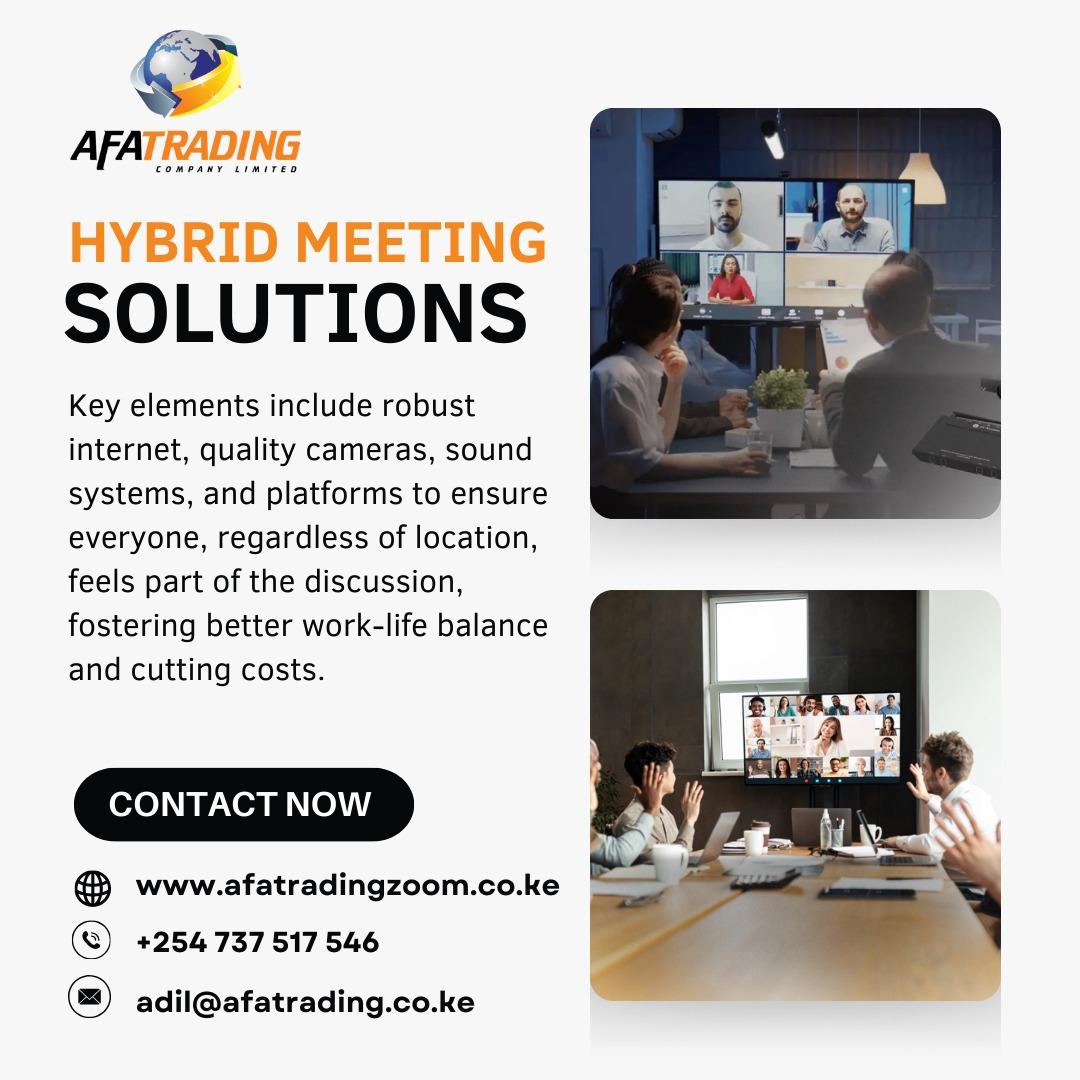
Modern workplaces are no longer limited to one office or meeting room. Teams can be spread across different cities, countries, and time zones, making flexible communication more important than ever. Hybrid Meeting Solutions help organizations bring people together by combining in-person meetings with remote participation through reliable communication technology.
From corporate meetings and board discussions to training sessions and Annual General Meetings, hybrid solutions make it easier for people to participate regardless of where they are located.
What Are Hybrid Meeting Solutions?
Hybrid meeting solutions combine physical meeting spaces with virtual communication tools. Some participants attend a meeting at the office or event venue, while others connect remotely using video conferencing platforms.
A professional hybrid setup may include cameras, microphones, displays, speakers, presentation systems, collaboration software, and reliable internet connectivity. When these components work together, remote participants can see, hear, and interact with people in the physical meeting room.
The objective is not simply to broadcast a meeting. A successful hybrid meeting creates an environment where both in-person and remote participants can contribute to the discussion.
Why Businesses Are Adopting Hybrid Meetings
Flexible working arrangements have increased the need for communication solutions that support employees in different locations. Requiring every participant to travel to one location may not always be practical.
Hybrid meetings allow organizations to reduce unnecessary travel while keeping teams connected. Employees can join from home, another office, a client location, or while traveling.
This flexibility can be useful for businesses with multiple branches, international teams, remote employees, and geographically distributed stakeholders.
Essential Technology for Hybrid Meetings
The technology used in a hybrid meeting depends on the size and purpose of the meeting. A small team meeting may require a conference camera, microphone, display, and video conferencing platform.
Larger meetings may need a more advanced setup, including:
- Professional PTZ or wide-angle cameras
- Conference microphones and speakers
- Large displays or LED screens
- Wireless presentation systems
- Video conferencing platforms
- High-speed internet connectivity
- Screen-sharing and collaboration tools
- Recording and streaming equipment
- Technical monitoring and support
Choosing equipment that works together properly is important for creating a smooth meeting experience.
Improving Communication Between Participants
One challenge with hybrid meetings is ensuring that remote participants do not feel disconnected from the room. Poor audio, limited camera angles, or delayed communication can make online participation difficult.
Professional hybrid meeting solutions address these issues through suitable microphone placement, multiple camera views, clear displays, and appropriate room acoustics.
A moderator or meeting host can also help by ensuring that questions from online participants are recognized and included in the discussion.
Hybrid Meetings for Corporate Teams
Businesses can use hybrid meeting technology for management meetings, team discussions, client presentations, employee training, interviews, workshops, and project reviews.
Employees can participate from different offices without requiring everyone to travel. This can make scheduling easier while helping teams maintain regular communication.
Hybrid meetings can also support collaboration between internal teams and external partners who may be located in different regions.
Supporting Hybrid AGMs and Large Meetings
Hybrid meeting solutions are particularly useful for Annual General Meetings and other stakeholder events. Organizations can allow attendees to participate at a physical venue while providing remote access for people who cannot attend in person.
Depending on the event requirements, the setup may include live streaming, presentations, remote speakers, audience interaction, moderated questions, and event recording.
For important meetings, testing the complete technology setup before the event is essential. Backup connectivity and technical support can also help minimize disruptions.
Benefits of a Well-Planned Hybrid Meeting
A carefully designed hybrid meeting can provide several practical benefits. Organizations can improve accessibility, support flexible working arrangements, and connect participants across multiple locations.
Other potential benefits include:
- Greater participation flexibility
- Reduced travel requirements
- Easier collaboration across offices
- Access to remote employees and stakeholders
- More flexible meeting scheduling
- Better support for distributed teams
- Opportunities to record important sessions
The actual benefits depend on the organization's meeting objectives, technology, and implementation.
Choosing the Right Hybrid Meeting Setup
There is no single hybrid meeting solution that fits every organization. The right setup depends on the meeting room, number of participants, type of content, number of remote attendees, and level of interaction required.
Organizations should consider audio quality, camera coverage, display visibility, software compatibility, internet reliability, ease of use, and technical support when selecting their setup.
A professional assessment of the meeting space can also help identify potential acoustic, lighting, connectivity, and equipment challenges before installation.
The Future of Hybrid Collaboration
Hybrid communication is becoming an important part of modern workplace collaboration. As video conferencing platforms and meeting-room technology continue to improve, organizations have more ways to connect physical and remote participants.
Artificial intelligence, automated camera framing, intelligent audio processing, cloud collaboration, and interactive meeting tools are also creating new possibilities for more efficient communication.
Conclusion
Hybrid meetings provide organizations with a practical way to connect people across different locations while maintaining face-to-face interaction. With the right combination of audiovisual equipment, collaboration platforms, connectivity, and technical support, businesses can create meetings that are accessible, professional, and easier to manage.
For companies working with distributed teams, remote employees, clients, or stakeholders, Hybrid Meeting Solutions can provide the technology needed to keep communication moving across locations.

 English
 Arabic
 Spanish
 Portuguese
 Deutsch
 Turkish
 Dutch
Dutch
 Italiano
 Russian
 Romaian
 Portuguese (Brazil)
 Greek
Greek