
How Natural Are the Results of Beard Hair Transplant in Dubai?
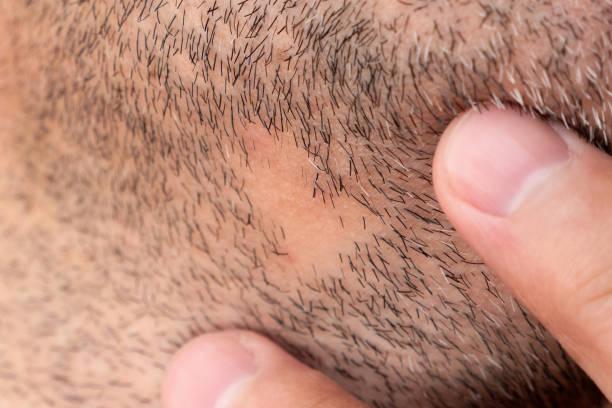
A well-planned Beard Hair Transplant in Dubai can create facial hair that blends naturally with existing beard growth by matching follicle characteristics, direction, spacing, and facial proportions. The goal is not simply to add more hairs but to recreate the visual pattern of a naturally growing beard.
Naturalness depends heavily on surgical planning. The design of the cheek line, jawline, chin, moustache area, and transition zones must work together with the patient's existing facial hair rather than appearing like an isolated transplanted area.
What Makes Beard Transplant Results Look Natural
Natural facial hair has considerable variation. Individual hairs emerge at slightly different angles, follow changing directions across the face, and vary in density between different zones.
A transplant needs to respect these characteristics. If grafts are placed too uniformly, the beard can look artificial even when follicle survival is good.
The most convincing results usually come from recreating the irregular but controlled pattern seen in natural facial hair.
Matching Existing Beard Characteristics
Donor hairs should be evaluated for characteristics such as calibre, curl, colour, and growth behaviour.
A close match allows transplanted follicles to integrate more smoothly with the existing beard. When there is significant variation between donor and facial hair, planning becomes even more important.
The Role of Single-Hair Grafts
Single-hair follicular units are particularly useful when creating or refining visible beard borders.
They allow greater control over the appearance of the cheek line, moustache edge, and other areas where a dense cluster of hairs could look unnatural.
Multi-hair grafts may have a role in areas where greater bulk is appropriate, but graft selection should follow the anatomy of the treatment zone.
Beard Direction Matters as Much as Density
Facial hair does not grow in one uniform direction.
Hair on the cheek, chin, jaw, moustache, and lower beard can follow different directional patterns. Implanting follicles without considering these changes can create hairs that stand away from the skin or cross neighbouring growth.
Implantation Angles and Facial Anatomy
The angle of emergence affects how the beard lies against the skin.
A skilled approach considers the natural exit angle of nearby hairs and the curvature of the facial surface. This is particularly important around the jaw and chin, where the skin changes direction over a relatively small area.
Correct angulation helps transplanted hairs lie naturally when grown out or groomed.
Beard Density Should Not Be Uniform
A naturally masculine beard does not necessarily have identical density across the entire face.
Some areas may naturally appear fuller while others transition gradually into lighter growth. Reproducing these density differences can make the final result look more authentic.
Strategic Density Planning
Rather than placing maximum density everywhere, treatment planning can prioritize areas that most influence the overall appearance.
For example, strengthening a weak jawline or filling a noticeable cheek gap may create more visual improvement than distributing grafts evenly across the entire beard.
Facial Proportions Influence the Final Appearance
A beard changes the visual balance of the lower face.
The position and shape of the cheek line can influence perceived facial width, while the chin and jawline contribute to definition. A transplant therefore needs to consider facial structure rather than treating the beard as an independent surface.
Creating a Beard That Fits the Face
The ideal beard design is influenced by factors such as:
- Facial width and length
- Chin projection
- Jawline definition
- Existing beard pattern
- Hair calibre and texture
- Natural cheek-line position
- Desired grooming style
A design that looks appropriate on one face may look excessive or poorly balanced on another.
How Natural Results Develop Over Time
Immediately after implantation, the treated area does not represent the final appearance.
Temporary redness, small crusts, and other early healing changes can make the beard look uneven during the initial recovery period. Some transplanted hairs may subsequently shed before new growth develops.
As the follicles mature, the hairs generally become more integrated with surrounding facial hair.
The Importance of the Maturation Phase
New growth develops gradually rather than appearing at full density immediately.
The appearance can continue changing over several months, with fuller maturation commonly assessed around the later stages of the first year. Individual growth rates vary.
Patients should therefore avoid judging the final aesthetic outcome during the earliest stages.
Photography Can Distort Beard Density
Lighting, camera angle, facial hair length, and skin hydration can all influence how dense a beard appears.
Bright overhead lighting may emphasize gaps, while directional lighting can make certain areas look fuller. Comparing progress under consistent conditions provides a more useful assessment.
Dubai Lifestyle and Beard Appearance
Dubai's climate can influence the way facial skin and hair feel during recovery and daily grooming.
Strong sun exposure, heat, humidity changes, and frequent indoor air conditioning can affect skin comfort. After treatment, following individualized sun-protection and skincare guidance is important.
For patients who travel frequently, recovery planning should also account for flights, outdoor exposure, and scheduled events.
Clinic note: Natural-looking facial hair restoration is primarily a design and precision exercise. The best plan is based on the patient's existing beard pattern, facial anatomy, donor characteristics, and long-term grooming goals.
When to Discuss Expectations During Consultation
A consultation should establish what can realistically be improved rather than promising a predetermined appearance.
The assessment may consider donor availability, existing facial hair, skin condition, beard shape, treatment areas, and the desired level of density.
This allows the treatment plan to focus on realistic improvement while preserving a natural transition between transplanted and existing hairs.
Choosing Beard Hair Transplant in Dubai for Natural Facial Definition
A natural beard transplant is not defined simply by the number of follicles placed. It depends on how those follicles are selected, positioned, angled, spaced, and integrated with the patient's facial structure.
For individuals considering Beard Hair Transplant in Dubai, Tajmeels Clinic focuses on individualized facial-hair planning designed around anatomy, existing growth, and aesthetic goals.
Book a consultation with Tajmeels Clinic to discuss your beard pattern, donor suitability, preferred shape, and the approach that can best support natural-looking facial hair restoration.

 English
 Arabic
 French
 Spanish
 Portuguese
 Turkish
 Dutch
Dutch
 Italiano
 Russian
 Romaian
 Portuguese (Brazil)
 Greek
Greek