

Advanced Structural Repair Services for RCC Damage
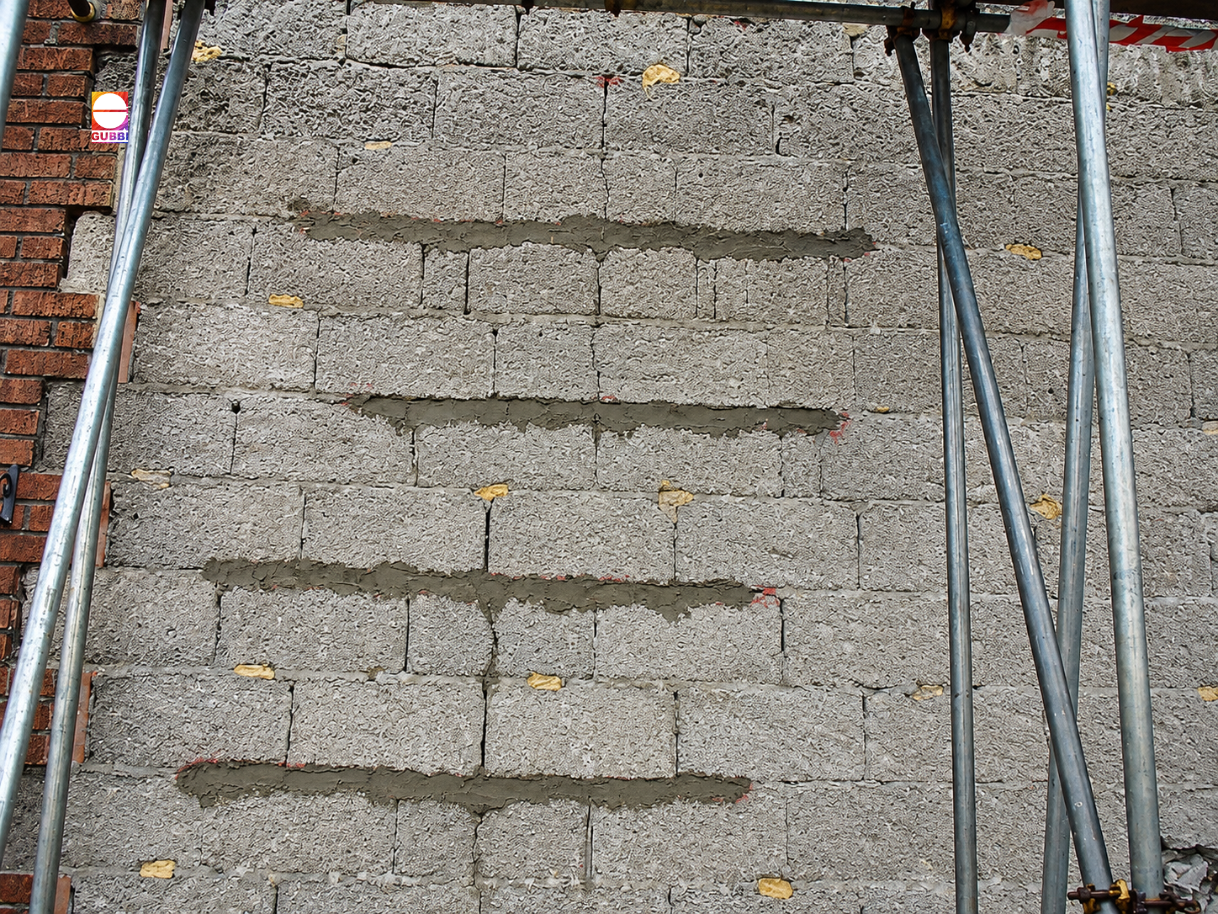
Structural repair services are required when an existing structure begins showing signs of deterioration, damage, cracking, corrosion, or reduced performance. Industrial buildings, commercial facilities, warehouses, plants, infrastructure, and other concrete structures can develop problems due to ageing, moisture, chemical exposure, overloading, poor construction, or inadequate maintenance. Selecting experienced structural repair contractors helps identify the actual cause of damage and determine whether repair, strengthening, rehabilitation, or a combination of solutions is required.
Understanding Structural Damage in Existing Structures
Structural damage does not always appear suddenly. In many cases, deterioration develops gradually and becomes visible through cracks, concrete spalling, exposed reinforcement, rust stains, leakage, deformation, or damaged surfaces. These signs should not automatically be treated as ordinary maintenance issues. The location, pattern, depth, and severity of damage can indicate different underlying problems. A proper technical assessment is therefore important before deciding on any structural repair work.
Why Structural Repair Should Not Be Delayed
Small defects can become more complicated when they remain untreated for a long period. Water entering through cracks can reach reinforcement and accelerate corrosion, while damaged concrete can gradually lose its protective function. In industrial environments, chemical exposure, vibration, heat, and operational loads may further increase deterioration. Timely structural repair services can help control the progression of damage and reduce the possibility of more extensive intervention later.
Common Causes of Structural Deterioration
Existing concrete structures can deteriorate for several reasons, and identifying the cause is an important part of repair planning. Reinforcement corrosion, carbonation, water ingress, chemical attack, construction defects, inadequate concrete cover, excessive loading, ageing, and environmental exposure are common contributors. In industrial structures, continuous operation, equipment vibration, aggressive chemicals, temperature variations, and moisture can create additional stress. Repairing only the visible damage without addressing its cause can lead to recurring problems.
Signs That a Structure May Need Repair
Visible cracking is one of the most common warning signs, but it is not the only indication that structural repair may be necessary. Spalling concrete, exposed reinforcement, rust marks, honeycombing, unusual deflection, damaged beam edges, weakened columns, leakage around structural members, and deteriorated slabs can also indicate deterioration. When several signs appear together, the structure should be evaluated by qualified professionals rather than relying on surface-level repair or cosmetic treatment.
Structural Assessment Before Repair Work
A repair programme should begin with understanding the existing condition of the structure. Engineers may examine drawings, construction history, visible defects, loading conditions, environmental exposure, previous repairs, and operational requirements. Depending on the structure and suspected problem, inspections or testing may also be considered. The objective is to understand what has deteriorated, why it has deteriorated, and whether the affected member still provides the required structural performance.
The Importance of Finding the Root Cause
Repair materials alone cannot solve every structural problem. For example, repairing a concrete surface affected by reinforcement corrosion without controlling moisture or treating the reinforcement may allow deterioration to continue underneath the new material. Similarly, filling a crack without determining why it developed may only provide a temporary improvement. Effective structural repair contractors therefore focus on understanding the mechanism of deterioration before recommending a suitable repair or strengthening approach.
Concrete Crack Repair and Structural Defects
Concrete cracks can have different causes and characteristics. Some may result from shrinkage or temperature changes, while others may be associated with structural movement, corrosion, settlement, overloading, or inadequate detailing. The repair method depends on the crack width, depth, location, activity, and underlying cause. Depending on the assessment, appropriate techniques may include crack sealing, injection, grouting, or structural strengthening. Treating every crack with the same method is not technically appropriate.
Repairing Reinforcement Corrosion
Corrosion of reinforcement is a significant concern in reinforced concrete structures because deterioration can affect both concrete and embedded steel. Corrosion may cause cracking, delamination, spalling, and loss of reinforcement cross-section over time. Repair generally requires removal of unsound concrete, exposure and treatment of affected reinforcement, restoration of the damaged section, and protection against future deterioration where required. The exact procedure depends on corrosion severity and the condition of the surrounding concrete.
Concrete Spalling and Delamination
Spalling occurs when sections of concrete break away from the surface, often exposing reinforcement underneath. Delamination can occur within the concrete before becoming clearly visible, making careful inspection important. Leaving loose or deteriorated concrete untreated can allow the affected area to expand. Structural repair work may involve removing unsound concrete, preparing the substrate, treating reinforcement, and reinstating the concrete using an appropriate repair material. The repair objective should be restoration rather than simply covering the damaged surface.
Structural Repair of Beams and Columns
Beams and columns are critical load-carrying components, so their deterioration requires careful evaluation. Damaged beams may experience cracking, reinforcement corrosion, section loss, or reduced capacity, while columns can develop spalling, vertical cracks, or deterioration around reinforcement. Depending on the assessment, structural repair services may involve concrete restoration, reinforcement treatment, jacketing, fibre-based strengthening, or other engineered solutions. The selected method should correspond to the actual structural requirement rather than the appearance of the defect.
Repairing Damaged RCC Slabs
RCC slabs can deteriorate because of water ingress, reinforcement corrosion, excessive loading, inadequate drainage, ageing, or construction deficiencies. Cracks, exposed reinforcement, concrete delamination, and localized deterioration should be investigated before repair. Depending on the condition, repairs may include concrete restoration, crack treatment, reinforcement protection, strengthening, or waterproofing measures to control future moisture entry. Properly planned slab repair can help maintain serviceability while preventing deterioration from spreading to adjoining structural components.
When Structural Strengthening Is Required
Repair and strengthening are not always the same requirement. Repair generally addresses deterioration or damage, while strengthening may be required when the existing structural capacity needs improvement. Increased loads, changes in use, design deficiencies, ageing, damage, or revised performance requirements can create a need for strengthening. Techniques such as jacketing, fibre reinforcement, steel strengthening, or other engineered systems may be considered after structural evaluation establishes the requirement.
Structural Repair and Retrofitting
Retrofitting may become necessary when an existing structure needs improved performance beyond simple restoration. An industrial building may require additional capacity because of new machinery, changed operational loads, modifications, or ageing-related deterioration. Structural repair contractors may combine repair with retrofitting when restoring damaged components alone is not sufficient. The final approach should be based on structural calculations, site conditions, existing member capacity, intended use, and the expected performance of the structure after intervention.
Role of Guniting and Shotcreting
Guniting and shotcreting can be useful for restoring deteriorated concrete surfaces and repairing certain structural elements where conventional concrete placement is difficult. The sprayed application process can help achieve good coverage on suitable prepared surfaces and can be considered for walls, beams, columns, tunnels, retaining structures, and other applications. However, these methods are not universal solutions. Surface preparation, reinforcement condition, thickness, mix design, application technique, curing, and structural requirements all influence the final outcome.
Micro-Concrete in Structural Repairs
Micro-concrete is commonly considered where damaged or inaccessible sections require reinstatement with a flowable repair material. It can be particularly useful for jacketing and restoring concrete sections where conventional placement may be difficult. The existing concrete must be properly prepared before application, and the repair system should be selected according to the structural and material requirements. Proper formwork, mixing, placement, curing, and quality control are important for achieving the intended repair performance.
Carbon Fibre Strengthening for Existing Structures
Carbon fibre reinforced polymer systems can be considered where additional structural capacity is required without significantly increasing the dimensions or weight of an existing member. They may be used for selected beams, columns, slabs, and other structural applications following engineering assessment. Carbon fibre strengthening is not simply a surface covering; the substrate condition, load requirement, bonding surface, fibre orientation, anchorage, and installation procedure must all be considered when developing a strengthening solution.
Waterproofing as Part of Structural Protection
Water is one of the major contributors to deterioration in concrete structures. Persistent moisture can contribute to reinforcement corrosion, leakage, staining, concrete degradation, and reduced durability. Therefore, waterproofing may form an important part of a wider structural repair strategy where moisture is contributing to deterioration. Repairing damaged concrete without addressing continuing water ingress may result in repeated damage. The waterproofing approach should be selected according to the source and movement of water.
Structural Repair in Industrial Environments
Industrial structures often require a different repair approach because they may remain operational during the work. Manufacturing plants, warehouses, process buildings, cooling towers, tanks, chimneys, and other facilities can be exposed to vibration, chemicals, heat, moisture, heavy equipment, and demanding operating conditions. Structural repair contractors working in these environments need to consider access, shutdown requirements, safety procedures, production schedules, and material compatibility while planning the repair programme.
Choosing the Right Structural Repair Contractors
Choosing a contractor should involve more than comparing quotations. The contractor should understand the type of structure, deterioration mechanism, repair technology, site conditions, safety requirements, and execution challenges. A suitable contractor should also be able to coordinate assessment, repair planning, material selection, surface preparation, application, quality checks, and completion. Reviewing previous experience with comparable industrial, commercial, or infrastructure structures can help owners make a more informed decision.
Why Engineering-Based Repair Matters
A technically planned repair can provide better control over both immediate defects and future deterioration. Engineering-based repair considers the condition of the existing structure rather than applying a standard treatment to every project. This approach can help determine whether a defect requires repair, strengthening, waterproofing, monitoring, or a combination of interventions. Structural Integrity Restoration Strategy is therefore an important consideration when planning repairs that need to deliver more than a temporary visual improvement.
Planning Structural Repairs Around Operations
For operational facilities, repair planning should consider how the work will affect daily activities. Access restrictions, equipment movement, production schedules, worker safety, dust, noise, curing periods, and shutdown requirements can influence the selected repair method. Experienced structural repair contractors can plan activities around operational constraints where practical. In some situations, phased repairs may allow critical areas to remain operational while deteriorated sections are addressed in a controlled sequence.
Why Professional Repair Can Reduce Future Problems
A properly planned repair does more than restore a damaged surface. It can help identify the source of deterioration, improve the condition of affected members, control moisture or corrosion, and reduce the likelihood of recurring damage. The exact outcome depends on the condition of the structure and quality of execution. For this reason, engaging an appropriate technical team at an early stage can support better maintenance planning and asset management.
How to Select the Appropriate Repair Method
There is no single structural repair method suitable for every damaged structure. The correct solution depends on the type of defect, structural member, deterioration mechanism, environmental exposure, required capacity, access conditions, and operational constraints. Structural repair contractors should evaluate these factors before recommending a technique. A repair proposal should explain the problem being addressed, the proposed intervention, the expected purpose of the repair, and any additional protection or strengthening required.
Structural Repair Services for Long-Term Asset Performance
Structural repair should be viewed as part of maintaining the performance of an existing asset rather than simply correcting visible defects. Industrial and commercial structures represent significant investments, and deterioration can affect safety, operations, productivity, and maintenance planning. A systematic repair programme can help owners address problems according to their severity and priority. This approach supports better use of resources while helping extend the functional life of existing structures.
Professional For Structural Repair Partner
When selecting a structural repair company, consider technical experience, understanding of existing structures, repair methodology, safety practices, quality control, execution capability, and experience with similar projects. For industrial, commercial, and infrastructure requirements, Gubbi Civil Engineers Limited can be considered when evaluating structural repair contractors because the right partner should be capable of approaching repair as an engineering requirement rather than treating it as ordinary civil maintenance work.
Structural repair services play an important role in maintaining ageing and damaged structures. Cracks, corrosion, spalling, water ingress, and reduced structural performance should be investigated before they develop into larger problems. The right repair strategy depends on understanding the existing condition and selecting a suitable intervention. By working with capable structural repair contractors and following an engineering-led approach, owners can address deterioration while supporting the safety, functionality, and continued use of existing assets.

 English
 Arabic
 French
 Spanish
 Portuguese
 Deutsch
 Turkish
 Italiano
 Russian
 Romaian
 Portuguese (Brazil)
 Greek
Greek
