

Lymphatic Drainage Massage After Cosmetic Surgery: What Patients Should Know
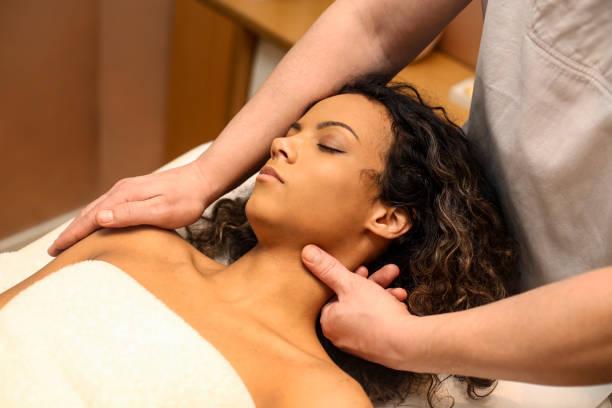
Cosmetic surgery can produce temporary swelling, bruising, tightness, and fluid accumulation as the body repairs treated tissues. Because the lymphatic system helps regulate tissue fluid, Lymphatic drainage massage in Riyadh (التدليك اللمفاوي في الرياض) may be included in selected postoperative recovery plans to support fluid movement and comfort. However, lymphatic drainage is not automatically suitable after every cosmetic procedure. The timing and technique should be determined according to the procedure performed, the patient's healing progress, and the instructions of the treating surgeon.
Why Does Swelling Happen After Cosmetic Surgery?
Swelling is a common part of the body's response to surgical treatment. During healing, inflammation can cause fluid to collect around tissues that have been affected by the procedure. The amount and duration of swelling depend on factors such as the type of surgery, treatment area, surgical technique, and individual healing response.
The Lymphatic System During Recovery
The lymphatic system helps transport excess tissue fluid through lymphatic vessels and lymph nodes. Cosmetic surgery can temporarily alter tissues and lymphatic pathways, meaning the body may need time to restore normal fluid movement. As healing progresses, postoperative swelling generally changes gradually.
Why Swelling Does Not Mean Something Is Wrong
Temporary swelling can make treated areas appear fuller or less defined than expected. This does not necessarily reflect the final result. Patients should allow sufficient time for inflammation and fluid accumulation to decrease before judging the outcome of cosmetic surgery.
How Can Lymphatic Drainage Support Recovery?
Lymphatic drainage is a specialized, gentle massage technique intended to encourage lymph fluid movement through appropriate superficial pathways. When medically approved after cosmetic surgery, it may complement the body's natural fluid-management process and help some patients feel more comfortable during recovery.
Light Pressure Is Used
Lymphatic vessels are located relatively close to the surface of the body, so the technique generally uses light, rhythmic movements. It differs from deep-tissue massage, where stronger pressure is used to work on muscles and deeper tissues.
Supporting Fluid Movement
Appropriate lymphatic care may help support the movement of certain types of postoperative tissue fluid. It should not be presented as a way to forcefully remove swelling or accelerate healing beyond the body's natural recovery process.
Which Cosmetic Procedures May Involve Lymphatic Care?
Lymphatic drainage may be considered as part of recovery after selected cosmetic procedures where postoperative swelling is expected. Depending on the patient's circumstances, this can include certain body-contouring, breast, or facial procedures.
Suitability Depends on the Individual
The fact that lymphatic drainage may be used after one type of cosmetic surgery does not mean it is appropriate for everyone undergoing that procedure. Incisions, tissue condition, drains, complications, and overall health must all be considered before treatment.
When Can Massage Begin After Cosmetic Surgery?
There is no single timeline that applies to every cosmetic procedure. Some patients may receive clearance for gentle lymphatic care during an earlier stage of recovery, while others may need to wait longer.
Your Surgeon Should Approve the Timing
Patients should not begin postoperative massage based solely on general recommendations. The operating surgeon understands the specific procedure and can determine when the tissues are ready for appropriate lymphatic treatment.
Healing Progress Matters
The condition of incisions, swelling pattern, tenderness, bruising, drains, and other postoperative factors can influence when massage is considered safe. Treatment should be adjusted as recovery develops.
What Happens During Postoperative Lymphatic Drainage?
A trained practitioner should first consider the patient's procedure and current recovery stage. The session typically involves gentle, controlled movements rather than aggressive manipulation of recently treated tissues.
Treatment Around Sensitive Areas
Areas containing incisions, wounds, drains, or significant tenderness may require special precautions or may need to be avoided until cleared. The treatment plan should be adapted to the patient's surgical instructions.
Sessions Can Change Over Time
The technique and areas treated may be adjusted as healing progresses. A recovery session during an early stage may look different from supportive treatment later in the healing process.
Can Lymphatic Drainage Reduce Post-Surgical Swelling?
It may support the movement of certain types of tissue fluid and may help some patients experience less heaviness or tightness associated with swelling. However, it cannot guarantee that swelling will disappear quickly or that the final cosmetic result will develop faster.
Temporary Changes Are Normal
Postoperative swelling can fluctuate from day to day. Activity, tissue inflammation, hydration, and the body's healing response can all influence how the treated area looks and feels.
Final Results Take Time
Cosmetic surgery results often develop gradually as swelling decreases and tissues remodel. Lymphatic drainage can be supportive in selected cases, but it should not replace patience or proper postoperative care.
What Other Recovery Measures Are Important?
Lymphatic drainage is only one possible component of postoperative recovery. Depending on the procedure, the surgeon may provide instructions regarding compression garments, wound care, medication, movement, bathing, sleeping positions, and follow-up appointments.
Follow Your Surgical Plan
Patients should prioritize the instructions provided by their surgical team. Adding massage, exercise, supplements, or other recovery methods without approval may not be appropriate for healing tissues.
Gradual Movement
When medically cleared, appropriate movement can support general circulation and recovery. Activity should be increased according to professional recommendations rather than rushed to reduce swelling.
When Should Massage Be Avoided?
Lymphatic drainage may be unsuitable when there is an active infection, an open or poorly healing wound, certain blood-clotting concerns, or other postoperative complications. Unexplained changes should be evaluated before massage is considered.
Recognize Warning Signs
Rapidly increasing swelling, severe or worsening pain, significant redness or warmth, fever, unusual wound drainage, wound separation, or sudden breathing difficulties require prompt medical attention. Massage should never be used as a substitute for evaluation of concerning postoperative symptoms.
How Many Sessions Might Be Needed?
There is no universal number of lymphatic drainage sessions required after cosmetic surgery. The appropriate frequency depends on the procedure, swelling, healing progress, and recommendations from the healthcare team.
Personalized Care Is Better
Some patients may need only limited supportive treatment, while others may benefit from a longer recovery plan. More sessions do not automatically mean better results, so treatment should be adjusted according to individual needs.
Book a Consultation at Royal Clinic Saudia
If you are recovering from cosmetic surgery and want to understand whether lymphatic care is appropriate, professional guidance can help you choose a safe approach. Lymphatic drainage massage in Riyadh may support postoperative fluid movement when recommended by the treating healthcare team. Contact Royal Clinic Saudia (عيادات رويال كلينك) to discuss your recovery and arrange a consultation.
FAQs:
Is lymphatic drainage safe after cosmetic surgery?
It can be appropriate after selected procedures, but safety depends on the surgery, healing progress, and individual medical circumstances. Approval from the treating surgeon is important.
How soon can I have lymphatic drainage after cosmetic surgery?
There is no universal timeline. Your surgeon should determine when massage is suitable based on your procedure, incisions, healing progress, and overall health.
Can lymphatic drainage remove all postoperative swelling?
No. It may support the movement of certain tissue fluid, but postoperative swelling naturally takes time to resolve and can fluctuate during recovery.
Can lymphatic drainage replace regular postoperative care?
No. It is a supportive treatment and should not replace wound care, medications, follow-up visits, compression instructions, or other recommendations from your surgical team.

 English
 Arabic
 French
 Portuguese
 Deutsch
 Turkish
 Dutch
Dutch
 Italiano
 Russian
 Romaian
 Portuguese (Brazil)
 Greek
Greek