

Can Stem Cell Hair Transplant Strengthen Weak Hair Follicles?
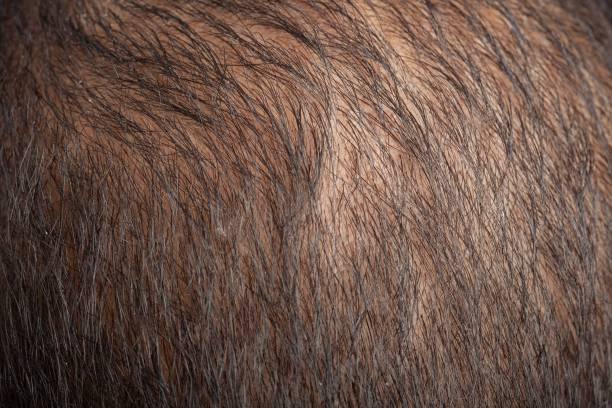
Weak-looking hair does not always mean that the follicle has stopped functioning. Stem Cell Hair Transplant in Dubai may be considered when follicles are still active but producing progressively finer or less robust hairs, with treatment focused on supporting the follicular environment rather than simply replacing hair.
Understanding what “weak follicles” actually means is important. Hair diameter, growth duration, follicle size, scalp inflammation, genetics, and the health of the surrounding tissue can all influence how strong or dense the hair appears.
What Makes a Hair Follicle Appear Weak?
A follicle does not become “weak” in one single way. In pattern hair loss, susceptible follicles can undergo miniaturization, producing hairs that are thinner, shorter, and less pigmented over successive growth cycles.
Other causes can produce a similar visual effect. Nutritional issues, inflammatory scalp conditions, hormonal changes, physical stress on the hair shaft, and temporary shedding can all reduce apparent density without representing the same follicular process.
Miniaturization Versus Hair Shaft Damage
These two problems are often confused.
Follicular miniaturization occurs below the skin as the follicle becomes progressively smaller and produces finer hairs. Hair-shaft damage, by contrast, can occur above the scalp through mechanical, chemical, or environmental stress.
A regenerative treatment directed at the scalp cannot simply repair every type of damaged hair shaft. The underlying cause has to be identified first.
How Regenerative Treatment May Support Existing Follicles
Cell-based or cell-derived regenerative approaches are generally discussed in terms of influencing the local follicular environment. Depending on the protocol, the objective may involve supporting cellular signaling and the conditions surrounding follicles.
This is different from creating an entirely new follicle. If a follicle is still viable, supporting its environment may be considered; if a follicle has been permanently lost, regenerative treatment cannot automatically be expected to recreate it.
The Importance of Existing Follicular Activity
The condition of the follicles is one of the most important factors in treatment planning.
| Follicular condition | Treatment consideration |
|---|---|
| Producing relatively healthy hair | May need monitoring rather than intervention |
| Producing increasingly fine hair | May warrant evaluation for miniaturization |
| Significant miniaturization | Requires assessment of cause and treatment options |
| Inactive or permanently lost follicle | Regenerative treatment may have limited relevance |
| Unknown cause of thinning | Diagnosis should come before treatment |
This is why a consultation should focus on the biology of the hair loss rather than simply the visible amount of scalp.
Can Stem Cell Hair Restoration Increase Hair Thickness?
A potential goal of regenerative treatment may be improvement in the quality or activity of existing follicles, but outcomes vary considerably.
Hair thickness is influenced by genetics, follicular size, the duration of the growth phase, hormonal sensitivity, age, and overall scalp health. No responsible treatment plan should promise that every miniaturized follicle will return to its previous diameter.
What Happens When Hair Loss Is Driven by DHT?
In androgenetic alopecia, genetically susceptible follicles respond to androgenic signaling and gradually miniaturize.
A regenerative treatment may be investigated as a way to support the follicular environment, but it does not automatically remove the underlying hormonal sensitivity. Long-term management may therefore require a broader strategy.
Why Long-Term Monitoring Matters
Hair growth occurs in cycles, and changes in follicular behaviour are not assessed accurately from a single day or photograph.
Follow-up allows the clinician to evaluate whether density, hair calibre, shedding, and scalp condition are changing over time. This can also help determine whether additional treatment or another management strategy is appropriate.
Scalp Health Can Affect Follicular Performance
A healthy follicular environment includes more than the follicle itself. The surrounding skin, blood supply, inflammatory state, and local tissue conditions all contribute to the environment in which hair grows.
Persistent scalp irritation, excessive inflammation, or an untreated scalp disorder may therefore need attention before or alongside a regenerative hair treatment.
Clinic note: “Stronger follicles” should be understood clinically rather than as a guarantee of thicker hair. The realistic objective is to determine whether viable follicles may benefit from a treatment designed to support their environment.
Who May Benefit From a Follicle-Support Approach?
A person with early or moderate thinning and visibly active follicles may be considered for a regenerative approach after assessment.
Patients with extensive areas where follicles are no longer functioning may require a different restoration strategy. In such situations, transplantation or combination treatment may be discussed instead.
For more information about the treatment, see Stem Cell Hair Transplant in Dubai.
Questions to Ask About Weak Follicles
Before treatment, patients should understand:
- Are my follicles miniaturized or genuinely inactive?
- What is causing the weakening of my hair?
- Is the scalp healthy enough for treatment?
- What is the proposed regenerative material?
- What improvement is realistically possible?
- How will follicular response be monitored?
- Are other treatments needed to control ongoing hair loss?
These questions help establish whether regenerative treatment has a meaningful role in the overall plan.
A More Precise Approach to Hair Weakness
Hair that looks thin or weak should not automatically be treated as a simple problem of insufficient growth. Identifying the mechanism behind the change is more important than choosing a treatment based on its name.
At Tajmeels Clinic, an individualized consultation can assess the pattern of thinning and determine whether a regenerative approach is appropriate for the condition of the existing follicles.

 English
 Arabic
 French
 Spanish
 Portuguese
 Deutsch
 Turkish
 Dutch
Dutch
 Russian
 Romaian
 Portuguese (Brazil)
 Greek
Greek