

Lipedema Health Guide: Recognizing Symptoms and Seeking Proper Care
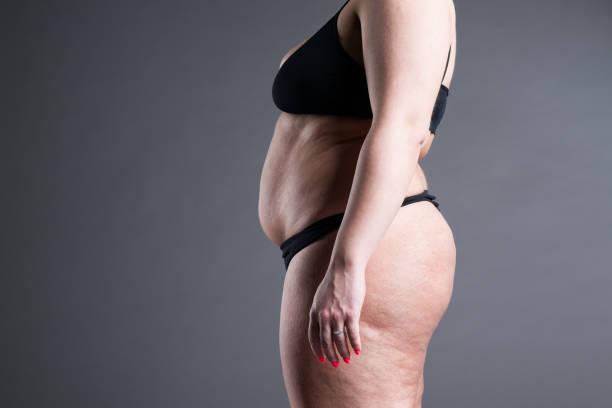
Lipedema can lead to distinctive changes in the distribution of fatty tissue, often accompanied by tenderness, heaviness, swelling, or easy bruising. Recognizing these patterns can help individuals understand when unusual changes may deserve professional attention. For people researching Lipedema Riyadh, learning about common symptoms and appropriate care can provide a useful foundation for making informed health decisions.
What Is Lipedema?
Lipedema is a chronic condition involving an abnormal distribution of fatty tissue, most commonly affecting the legs and sometimes the arms. The changes are often relatively symmetrical, with both sides of the body showing similar patterns.
The feet are typically less affected, which can create a noticeable difference between the lower legs and feet. However, physical presentation varies between individuals, and appearance alone is not sufficient to establish a diagnosis.
Recognizing Common Lipedema Symptoms
Tenderness and Pain
Affected areas may feel tender or sensitive when touched or exposed to pressure. Some individuals may experience pain or discomfort that becomes more noticeable after prolonged activity or pressure.
The severity of discomfort varies considerably. Persistent or significant pain should be professionally assessed because several other conditions can cause similar symptoms.
Heaviness and Swelling
A feeling of heaviness in the legs or arms may occur alongside changes in fatty tissue. Some individuals may also experience swelling or a sensation of fullness that becomes more noticeable during the day.
Because swelling has many potential causes, persistent changes should not automatically be attributed to lipedema. Professional evaluation can help determine the underlying cause.
Easy Bruising
Some individuals with lipedema report bruising more easily than expected, particularly in affected areas. Minor pressure or bumps may sometimes result in visible bruises.
Easy bruising is not unique to lipedema, however, and unexplained or frequent bruising should be discussed with a healthcare professional.
How Lipedema Can Affect Daily Life
Physical changes associated with lipedema may affect mobility, comfort, and clothing fit. Heaviness or tenderness can make activities such as walking, exercising, climbing stairs, or standing for long periods more challenging.
The emotional impact should also be recognized. Changes in body proportions may affect confidence, particularly when symptoms are misunderstood as being solely related to weight or lifestyle.
Understanding Possible Symptom Patterns
Lipedema commonly produces changes on both sides of the body, particularly in the legs. The thighs, knees, calves, and areas around the ankles may become more prominent, while the feet remain relatively unaffected.
Symptoms can fluctuate in intensity. Factors such as prolonged standing, physical activity, hormonal changes, and general health may influence how discomfort or swelling is experienced.
Why Professional Assessment Matters
There is no single symptom that confirms lipedema. A professional assessment may involve reviewing medical history, discussing symptoms, examining affected areas, and considering other possible causes of swelling or changes in body shape.
Proper evaluation can help distinguish lipedema from conditions that may appear similar. This is particularly important when symptoms are persistent, progressing, or beginning to interfere with everyday activities.
Approaches to Lipedema Care
Supporting Physical Activity
Suitable low-impact movement may help maintain mobility and general physical wellbeing. Walking, swimming, cycling, and gentle strengthening exercises can be considered according to individual abilities and comfort.
Compression and Support
Compression garments may be recommended for some individuals to help manage swelling and provide support. Proper fitting and professional guidance are important when considering compression.
Ongoing Monitoring
Because lipedema is a chronic condition, monitoring symptoms over time can be useful. Changes in swelling, tenderness, mobility, or body proportions can provide valuable information during follow-up appointments.
When to Seek Proper Care
Professional guidance is particularly important when swelling becomes persistent, pain increases, mobility changes, or symptoms begin interfering with everyday activities. Sudden or severe symptoms should also be assessed because they may have causes unrelated to lipedema.
Rather than relying on self-diagnosis, individuals can benefit from discussing their concerns with a qualified healthcare professional. A personalized assessment provides a stronger basis for deciding what type of care may be appropriate.
Book an Appointment at Royal Clinic Saudi
If you have noticed persistent swelling, tenderness, heaviness, bruising, or unusual changes in body proportions, professional evaluation can help you understand your symptoms. Book an appointment with Royal Clinic Saudi to discuss your concerns and explore an individualized approach to care.
FAQs:
What are common symptoms of lipedema?
Commonly reported symptoms include symmetrical fatty tissue distribution, tenderness, heaviness, swelling, sensitivity, and easy bruising.
Can lipedema affect mobility?
Yes. Heaviness, tenderness, swelling, and changes in limb size may make certain physical activities less comfortable for some individuals.
How is lipedema assessed?
Assessment generally involves reviewing symptoms and medical history and examining the affected areas while considering other possible causes of similar changes.
When should I seek professional care for possible lipedema?
Consider professional evaluation when symptoms are persistent, worsening, painful, or interfering with mobility and everyday comfort.

 English
 Arabic
 Spanish
 Portuguese
 Deutsch
 Turkish
 Dutch
Dutch
 Italiano
 Russian
 Romaian
 Portuguese (Brazil)
 Greek
Greek
