

Building a Career as a Pilot: A Student’s Guide to Training, Cost and Career Planning
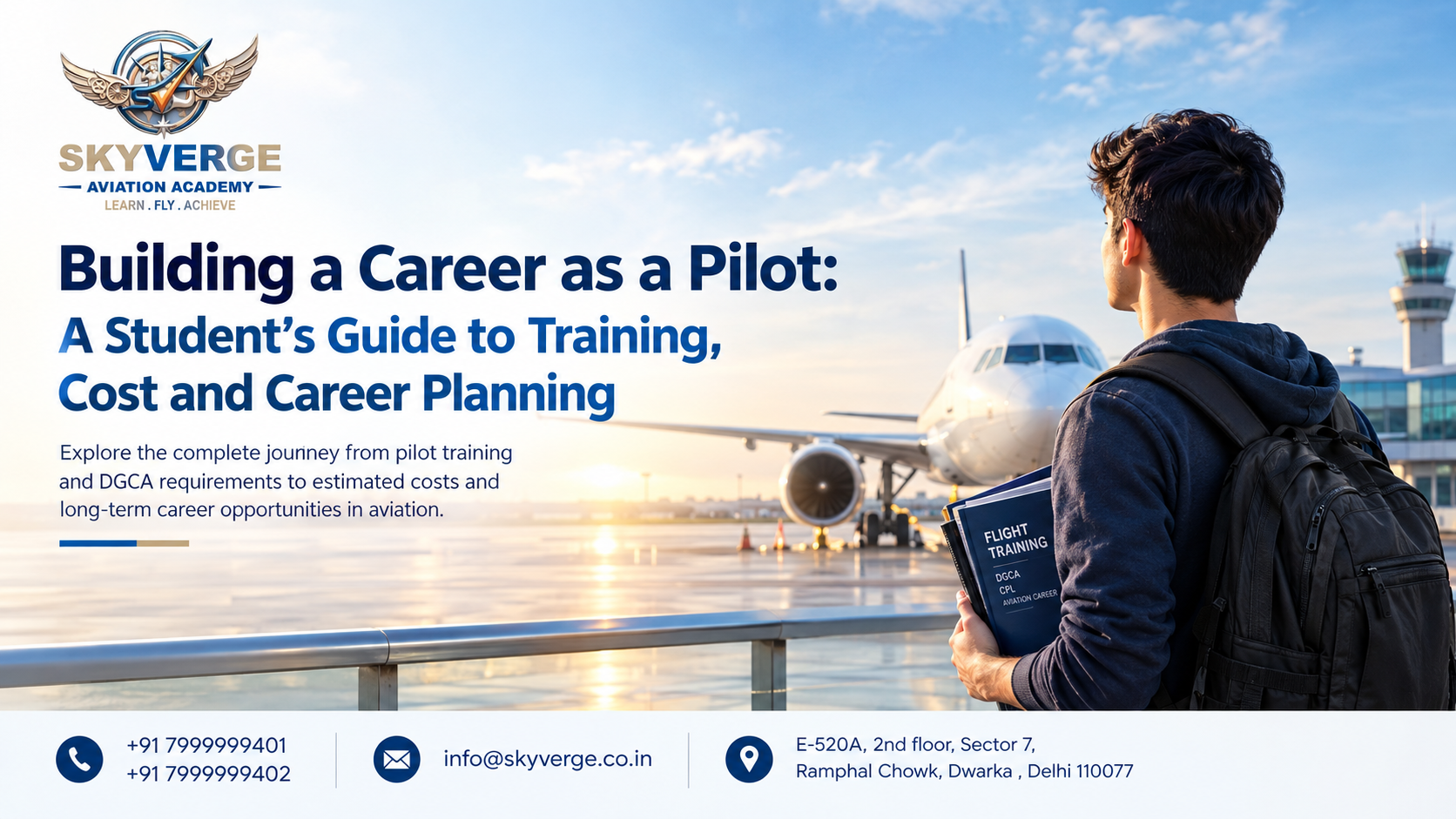
Becoming a pilot is an exciting goal for students who are interested in aviation, technology, travel and a professional career that demands responsibility. However, turning this ambition into a practical career requires more than simply learning how to fly. Students need to understand the training pathway, academic requirements, financial planning, examinations, medical requirements and the skills expected during professional flight training.
For students planning their aviation journey in 2026, starting with reliable information can make the process much easier. A clear plan allows students to understand what they need before training begins and what they can expect at different stages of their journey.
Understanding the Pilot Training Journey
A professional pilot pathway generally involves several stages. Students first need to understand their educational eligibility and medical requirements before moving towards flight training and the examinations required for obtaining the relevant licence.
For many aspiring commercial pilots, Physics and Mathematics at the required school level are important academic subjects. DGCA's current Flight Crew FAQ states that applicants other than the PPL category generally need to have passed 10+2 with Physics and Mathematics or an equivalent qualification.
After establishing eligibility, students can start preparing for ground subjects and practical flying. Ground training develops theoretical knowledge, while flight training helps students apply that knowledge in an aircraft.
The subjects and training requirements should not be viewed as separate tasks. A student who understands navigation, meteorology, aviation regulations and aircraft-related concepts can approach practical training with greater confidence.
Choosing the Right Training Environment
One of the most important decisions students make is selecting an appropriate training environment. The right institute should provide structured academic guidance, experienced instructors, appropriate study resources and a learning environment in which students can ask questions without hesitation.
When students compare training institutes, they should look beyond advertising claims. It is useful to understand the curriculum, faculty, student support, examination preparation, training structure and overall learning approach.
For Delhi-based students, researching the Best Pilot training institute in Delhi can be a useful starting point when comparing available aviation education options. However, the "best" choice is not necessarily the institute with the most attractive advertisement. Students should evaluate whether the institute's approach matches their learning requirements and long-term aviation goals.
SkyVerge Aviation Academy focuses on helping students understand the academic and professional side of aviation before they move ahead with their career plans. Students can use counselling sessions to clarify questions related to training, examinations, preparation and the overall pilot pathway.
Why Ground Knowledge Matters
Flying an aircraft requires practical ability, but professional aviation also depends heavily on theoretical knowledge. Students have to understand the principles behind the decisions they make during flight.
Ground preparation can cover areas such as Air Navigation, Aviation Meteorology, Air Regulations and technical subjects. These areas require consistent study rather than last-minute preparation.
The DGCA Pariksha portal is used for Flight Crew examinations and related registration processes. It is important for students to understand that the portal itself is not a subject or a standalone aviation course. It is an official examination and registration platform used by DGCA for relevant examinations.
This distinction can prevent confusion for students who are beginning their preparation.
Planning the Financial Side of Pilot Training
Finances are another major consideration before starting aviation training. Students and parents should prepare a realistic budget instead of looking only at one advertised course fee.
The overall expenditure can depend on several factors, including ground training, flying hours, aircraft-related charges, examinations, medical requirements, documentation, accommodation, travel and other personal expenses.
Therefore, understanding the pilot study cost in india should involve looking at the complete training journey rather than focusing on a single fee figure.
Students should ask training providers for a clear explanation of what is included and what may be payable separately. This can help families plan their finances more responsibly.
It is also worth remembering that training progress can vary from student to student. Weather, aircraft availability, scheduling, individual performance and other operational factors can affect the pace of practical training. For this reason, students should avoid making financial plans based solely on an idealised timeline.
What Students Learn During Professional Training
A professional pilot's education involves much more than operating an aircraft. Students gradually develop knowledge and skills in several areas.
Aviation Knowledge
Students learn concepts associated with aircraft operations, navigation, meteorology, regulations and technical subjects. These areas form the theoretical foundation of professional flying.
Communication
Clear communication is essential in aviation. Students need to develop the ability to communicate information accurately and confidently.
Decision-Making
Pilots frequently need to evaluate information and make appropriate decisions. Training helps students develop a structured approach to analysing situations.
Discipline
Aviation requires attention to procedures, documentation, preparation and safety. Developing disciplined habits early can benefit students throughout their careers.
Situational Awareness
Students also need to learn how to maintain awareness of their surroundings, aircraft status, weather conditions and operational requirements.
Understanding the Commercial Pilot Pathway
Students who want to fly professionally often research a Commercial Pilot Course in india as part of their career planning.
A commercial pilot pathway is not simply about attending classes and learning to operate an aircraft. It involves theoretical preparation, practical flying, examinations, medical requirements, documentation and meeting applicable licensing requirements.
The exact pathway can vary according to a student's circumstances and the applicable DGCA rules. Therefore, students should always verify current requirements through official DGCA information and their training organisation before making important decisions.
The DGCA website remains an important source for current aviation regulations and notices. Its online services include resources related to pilots and flight-crew examinations.
Conversation Between a Student and a Counsellor
Student: I have completed my schooling and I want to become a professional pilot. What should I do first?
Counsellor: Start by checking your academic eligibility and medical requirements. After that, understand the complete training pathway rather than immediately selecting a course.
Student: I am also worried about the cost. Is there one fixed amount that every student has to pay?
Counsellor: Not necessarily. The overall expense can vary depending on the training structure, flying requirements and other expenses. You should ask for a detailed fee structure and identify what is included.
Student: How important is ground training?
Counsellor: It is extremely important. Flying skills and theoretical knowledge support each other. Understanding navigation, meteorology, regulations and technical concepts helps you become a more prepared pilot.
Student: I am confused about the DGCA Pariksha portal. Is it another course?
Counsellor: No. Pariksha is an official DGCA registration and examination portal. You should understand the subjects and examination requirements separately from the portal itself.
Student: How can SkyVerge Aviation Academy help me?
Counsellor: You can speak with the academy's counsellors to understand the training pathway, preparation requirements and the questions you should consider before committing to your aviation education.
Building Good Study Habits
Students often concentrate heavily on flying and underestimate the importance of consistent study. Aviation subjects can involve technical concepts, calculations, regulations and detailed procedures, so regular revision is useful.
A simple study routine can include:
-
Setting weekly academic targets
-
Revising previously studied subjects
-
Practising questions regularly
-
Maintaining organised notes
-
Clarifying difficult concepts with instructors
-
Tracking examination preparation
-
Avoiding excessive last-minute study
Students should also learn to balance academic preparation with practical training. Neither area should be ignored.
Medical Preparation Should Not Be an Afterthought
Medical fitness is an important part of the pilot pathway. Students should understand the applicable medical requirements before making major financial commitments to training.
Instead of relying on assumptions or advice from social media, candidates should follow the current requirements and consult appropriately authorised medical professionals where necessary.
Starting the medical process early can also help students identify potential concerns before progressing too far into their training.
How to Choose an Aviation Academy
Before enrolling, students can create a simple checklist.
Consider:
-
What training and academic support does the institute provide?
-
Who teaches the ground subjects?
-
How are students supported during examination preparation?
-
What is included in the fee structure?
-
Are there additional charges students should know about?
-
How does the institute communicate with students and parents?
-
Does the institute clearly explain the overall pilot training pathway?
A good aviation education provider should encourage students to ask questions rather than making decisions based on pressure.
SkyVerge Aviation Academy can be considered by students who want guidance while understanding the academic and professional aspects of pilot training. The objective should be to help students make informed decisions about their education.
Common Mistakes Students Should Avoid
One common mistake is choosing an institute only because of a low advertised price. Cost is important, but the quality and structure of training also matter.
Another mistake is assuming that completing classroom training automatically guarantees a professional pilot position. Training and licensing are important stages, but employment depends on factors such as qualifications, experience, airline requirements, performance and market conditions.
Students should also avoid depending entirely on online videos for technical preparation. Online resources can support learning, but structured instruction and reliable reference material remain important.
Finally, students should keep checking official DGCA updates because aviation rules, examination schedules and procedures can change. The DGCA Pariksha portal currently provides examination calendars, syllabi and other Flight Crew resources, making it an important source for candidates.
Frequently Asked Questions
1. What subjects are important for aspiring commercial pilots?
Physics and Mathematics are important academic subjects for candidates following the applicable Flight Crew pathway. Students should also prepare for aviation-specific subjects such as navigation, meteorology, regulations and technical knowledge. Current eligibility should always be checked against DGCA requirements.
2. How should students calculate their pilot training budget?
Students should consider more than tuition or flying fees. They should account for training, examinations, medical requirements, documentation, travel, accommodation and other applicable expenses. A detailed fee discussion with the training provider can make financial planning easier.
3. Is the DGCA Pariksha portal a pilot training course?
No. Pariksha is the DGCA registration and examination portal for Flight Crew and other applicable examination processes. Students should distinguish the portal from their actual academic and practical preparation.
4. How can students choose a suitable aviation academy?
Students should compare the curriculum, faculty, learning support, examination preparation, fee structure, training approach and student guidance. They should also ask questions about the complete pathway before enrolling.
5. Can students start pilot training without understanding the complete pathway?
It is better to understand the major stages before committing to training. Knowing the academic, medical, theoretical, practical and licensing requirements allows students and families to plan more effectively.
Final Thoughts for Aspiring Pilots
Becoming a professional pilot is a long-term educational journey that requires preparation, discipline and realistic planning. Students should not judge the pathway only by the excitement of flying. They should also understand the academic work, examinations, medical requirements, financial planning and professional responsibilities involved.
The most useful first step is to gather accurate information and ask questions before making major decisions. Students can compare training options, understand the applicable DGCA requirements and discuss their individual circumstances with experienced aviation educators.
With structured preparation and a clear understanding of the pathway, students can approach pilot training with greater confidence. SkyVerge Aviation Academy can be part of that early learning process by helping aspiring students understand the different stages of aviation education and make decisions based on informed planning rather than assumptions.

 English
 Arabic
 French
 Portuguese
 Deutsch
 Turkish
 Dutch
Dutch
 Italiano
 Russian
 Romaian
 Portuguese (Brazil)
 Greek
Greek
