

How Long Does It Take to See Results From Q-switched Laser Treatment?
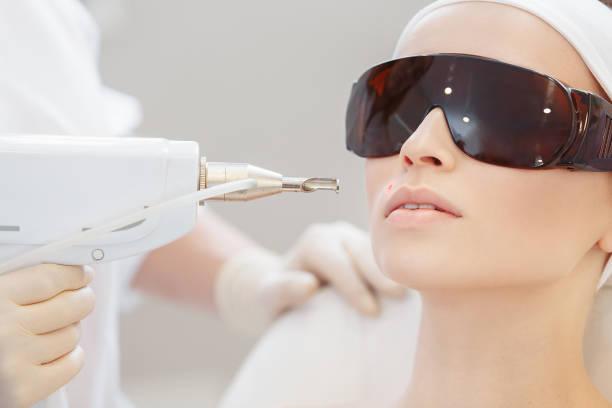
When considering laser treatment for pigmentation, one of the most common questions is how quickly visible improvement can be expected. Q-switched laser treatment is designed to target unwanted pigment, but the skin does not usually become clearer immediately after a session. q switched laser works through a gradual process in which targeted pigment is broken into smaller particles and naturally processed by the body.
The timeline for visible improvement can vary considerably from one person to another. Factors such as the type and depth of pigmentation, skin type, treatment area, sun exposure, and individual healing response can all influence the outcome. Understanding what happens after treatment can help you develop realistic expectations when considering Q-switched Laser Treatment in Riyadh.
Why Results Are Not Immediate
Q-switched laser treatment uses short, controlled pulses of energy to target pigment within the skin. The laser can fragment concentrated melanin, but the body still needs time to process and clear the treated pigment.
The Body Needs Time to Process Pigment
After the laser breaks down targeted pigment, natural biological processes gradually remove the fragmented particles. This means visible improvement usually develops over time rather than appearing immediately after the procedure.
Temporary Skin Changes May Occur
Immediately after treatment, the skin may appear red, sensitive, or slightly swollen. Targeted spots can sometimes look temporarily darker before they begin to fade. These changes can be part of the normal response to treatment.
What Happens During the First Few Days?
The initial recovery period is focused on allowing the skin to settle.
Mild Redness or Sensitivity
Some people experience temporary redness, warmth, or sensitivity around the treated area. The intensity and duration can vary depending on the treatment area and individual skin response.
Pigmentation May Look Darker
Some treated spots may temporarily become more noticeable before gradually fading. This does not necessarily mean that the treatment has been unsuccessful; the skin is responding to the targeted laser energy.
Gentle Aftercare Is Important
During the early recovery period, following your practitioner's instructions can help protect the treated skin. Avoiding unnecessary irritation, picking, or aggressive exfoliation is generally important.
When Does Visible Improvement Usually Begin?
Visible improvement often develops gradually over the following weeks. As the body processes the targeted pigment, dark spots and other discoloration may begin to appear lighter.
The exact timeline cannot be guaranteed because pigmentation behaves differently depending on its cause and depth. Some people may notice early changes sooner, while others may need more time before the improvement becomes noticeable.
When Can You Expect More Noticeable Results?
More noticeable improvement may develop over several weeks as the skin continues to process the targeted pigment. The final appearance can depend on the original pigmentation, treatment settings, and individual response.
Superficial Pigmentation
Pigmentation located closer to the skin's surface may respond differently from pigment located deeper within the skin. Your practitioner can assess the characteristics of your pigmentation before treatment.
Deeper or Persistent Pigmentation
Some pigmentation concerns can be more difficult to treat and may require multiple sessions. Persistent discoloration may improve gradually rather than disappearing after one treatment.
How Many Sessions Might You Need?
Q-switched Laser Treatment in Riyadh does not have one standard number of sessions for every patient. The recommended treatment plan depends on several factors.
Type of Pigmentation
Sun spots, freckles, post-acne pigmentation, and other discoloration concerns may respond differently to laser treatment.
Size and Extent of the Treatment Area
A small number of localized spots may require a different approach from widespread pigmentation covering a larger area.
Individual Skin Response
Every person's skin reacts differently. Your practitioner may assess your response after each session before recommending additional treatment.
Factors That Can Affect Your Results
Several lifestyle and skin-related factors can influence how quickly pigmentation improves.
Sun Exposure
UV exposure can stimulate melanin production and contribute to new or worsening pigmentation. Protecting your skin from the sun is therefore essential during and after your treatment plan.
Skin Type
Different skin types may respond differently to laser energy. Treatment settings should be selected carefully according to individual skin characteristics.
Aftercare
Following the recommended aftercare routine can help support recovery. Using gentle products, avoiding unnecessary irritation, and protecting the treated area from UV exposure are important considerations.
Underlying Cause
If pigmentation is associated with an ongoing trigger, such as repeated sun exposure or inflammation, addressing that factor can be important for maintaining improvement.
Can One Session Be Enough?
In some cases, a single session may produce visible improvement, particularly when treating certain localized pigmentation concerns. However, this does not mean that one session will be sufficient for everyone.
Some pigmentation may require multiple sessions to achieve the desired level of improvement. Your practitioner can determine the appropriate treatment schedule after evaluating your skin and observing how it responds.
How Can You Support Your Results?
Taking care of your skin after treatment can help support the recovery process and protect against future discoloration.
Use Sun Protection
Apply broad-spectrum sunscreen as recommended and limit unnecessary direct sun exposure. Sun protection is especially important when treating pigmentation.
Follow Your Aftercare Instructions
Your practitioner may recommend specific skincare products or temporary restrictions depending on your treatment. Following these instructions can help minimize irritation.
Avoid Picking or Scrubbing
Do not scratch, pick, or aggressively exfoliate treated areas. Allowing the skin to recover naturally is important.
When Should You Contact Your Practitioner?
While temporary changes can occur after laser treatment, unexpected or persistent symptoms should be discussed with your practitioner. If you have concerns about prolonged redness, significant discomfort, unusual swelling, blistering, or changes that do not seem consistent with your aftercare instructions, seek professional advice.
A follow-up appointment can also help your practitioner evaluate the response and determine whether additional treatment is appropriate.
Is Q-switched Laser Treatment Right for You?
Q-switched Laser Treatment in Riyadh may help improve certain pigmentation concerns, but realistic expectations are important. Results develop gradually, and the number of sessions required depends on your individual skin and the type of pigmentation being treated.
A professional consultation allows your skin to be evaluated and helps establish an appropriate treatment plan. Your practitioner can also explain the expected recovery process and factors that may influence your results.
Book an Appointment at Royal Clinic Saudia
If you are concerned about persistent pigmentation and want to understand how long laser treatment may take to show improvement, Royal Clinic Saudia can evaluate your skin and discuss your options. A personalized consultation can help determine the likely treatment approach, expected progression, and appropriate aftercare. With professional guidance and consistent sun protection, Q-switched Laser Treatment in Riyadh may support a clearer and more even-looking complexion over time.
FAQs:
How quickly can I see Q-switched laser results?
Visible improvement usually develops gradually over the following weeks as the body processes the targeted pigment.
Can pigmentation look darker after treatment?
Yes. Some treated spots may temporarily appear darker before gradually becoming less noticeable.
Will I need more than one treatment?
Possibly. The number of sessions depends on the type, depth, and extent of pigmentation and your individual response.
Does sun exposure affect the results?
Yes. UV exposure can contribute to new or recurring pigmentation, so consistent sun protection is important.

 English
 Arabic
 French
 Spanish
 Portuguese
 Deutsch
 Dutch
Dutch
 Italiano
 Russian
 Romaian
 Portuguese (Brazil)
 Greek
Greek