

Tank Weighing System in UAE: Accurate Solutions for Industrial Processes
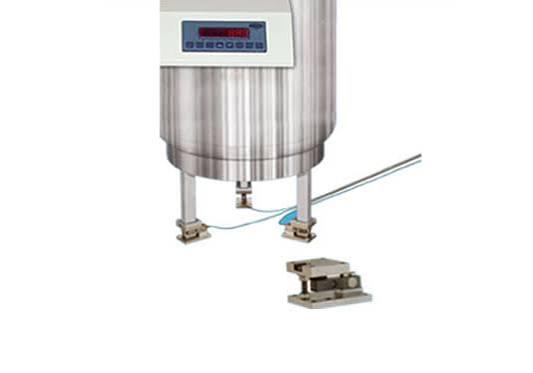
Industries that store and process liquids, powders, chemicals, grains, and other bulk materials require accurate information about the quantity inside their storage and processing tanks. A Tank Weighing System in UAE provides a reliable method of measuring the actual weight of materials inside a tank through load cells, weighing modules, indicators, and related equipment. These systems are widely suitable for applications involving storage, batching, filling, mixing, dosing, and process control.
What Is a Tank Weighing System?
A tank weighing system is an industrial measurement solution that determines the weight of a tank and its contents. Instead of estimating the material level based only on volume, the system measures the force applied by the tank to specially installed load cells.
The load cells are normally positioned beneath the tank supports. When material is added or removed, the load applied to these sensors changes. The resulting electrical signal is processed by a weighing indicator or controller and converted into a readable weight value.
This approach allows businesses to monitor material quantities more accurately and make better decisions during production and storage operations.
How Does Tank Weighing Technology Work?
The basic working principle is relatively straightforward. A tank is supported by multiple weighing modules or load cells, which detect the vertical force created by the tank and its contents.
A typical system may include:
-
Load cells or weighing modules
-
Junction box
-
Digital weight indicator or transmitter
-
Mounting assemblies and cables
The junction box combines signals from multiple load cells, while the indicator processes and displays the measurement. Depending on the system design, weighing information can also be transferred to a PLC, computer, or automation system.
Why Accurate Tank Measurement Matters
Incorrect material measurement can affect production planning, inventory management, and product consistency. In industries where materials are continuously added, mixed, or discharged, even small measurement errors can become significant over time.
Weight-based measurement can provide useful information for:
Inventory Management
Businesses can monitor how much material remains in a tank and improve stock planning. This can be particularly useful for raw materials and bulk products.
Production Control
Manufacturing processes often require specific quantities of ingredients or materials. Accurate weighing helps operators maintain consistent quantities during production.
Batching and Mixing
Tank weighing systems can support controlled batching and mixing by monitoring the amount of each material added to a process.
Filling and Dosing
Where specific quantities must be dispensed, weight information can be used as part of automated filling and dosing operations. Industrial weighing suppliers in the UAE commonly provide systems designed for batching, filling, dosing, and material management.
Industries That Use Tank Weighing Systems
Tank weighing technology can be applied across many industrial sectors. The exact configuration depends on the material, tank design, required capacity, and operating environment.
Food and Beverage
Food-processing facilities use tanks for ingredients, liquids, powders, and mixtures. Accurate weighing can help maintain consistent recipes and production quantities.
Chemical Industry
Chemical manufacturing often requires controlled quantities of raw materials. Suitable load cells and protective equipment can provide dependable measurement in demanding environments.
Pharmaceutical Manufacturing
Pharmaceutical production requires precise process control. Tank weighing can help monitor ingredients and materials during controlled manufacturing processes.
Oil and Lubricants
Storage and processing tanks are commonly used for oils and other industrial liquids. Weight-based monitoring can assist with inventory and process management.
Cement and Construction Materials
Large silos, hoppers, and tanks can be integrated with weighing equipment to monitor bulk materials used in manufacturing and batching operations. Process weighing systems are used across sectors including cement, food, pharmaceutical, chemical, plastics, and oil-related industries.
Choosing the Right Load Cells
Load cells are one of the most important parts of a tank weighing installation. The appropriate type depends on the tank's capacity, structure, mounting arrangement, and operating environment.
Compression load cells are commonly used underneath supported tanks, while other designs can be used for suspended vessels. Industrial weighing systems are available with stainless-steel and alloy-steel load cells, along with different capacity ranges.
The number of load cells required depends on the tank structure and support points. Proper load distribution is essential for obtaining stable and repeatable measurements.
Tank Weighing in UAE Industrial Environments
The UAE has a broad industrial sector involving manufacturing, food processing, chemicals, construction materials, logistics, and other bulk-material applications. Tank weighing equipment used in these environments must be selected according to local operating conditions and the specific requirements of each facility.
Protection against moisture, dust, and other environmental factors can be important. For example, some industrial tank weighing load cells are available with sealed stainless-steel construction and IP68 protection for demanding conditions.
Integration With Automation Systems
Modern tank weighing solutions can do more than display a weight reading. They can be integrated with industrial automation systems to support real-time monitoring and process control.
Depending on the equipment, communication options may include serial interfaces, Ethernet, PLC connections, or other industrial communication methods. Real-time weighing data can help operators monitor tank contents and improve production visibility.
Automation can be especially valuable when a facility performs repeated batching, filling, or dosing operations.
Calibration and Maintenance
Proper calibration is essential for maintaining reliable weighing results. A system that is incorrectly installed, overloaded, or poorly maintained may produce inconsistent measurements.
Regular maintenance should include inspection of load cells, mounting hardware, cables, junction boxes, and indicators. The tank structure should also be checked to ensure that unnecessary mechanical forces are not affecting the weighing system.
Professional calibration can help verify whether the system is producing measurements within the required accuracy range. UAE weighing-system providers also offer calibration services for tanks, silos, hoppers, and other industrial weighing equipment.
Benefits of a Properly Designed System
A correctly designed tank weighing installation can provide several operational advantages. It allows businesses to monitor material quantities without depending solely on visual level estimation.
Key benefits include:
-
Better control over raw-material quantities
-
More consistent production processes
-
Improved inventory monitoring
-
Support for automated batching and dosing
-
Reduced material waste
-
Easier process monitoring
The actual benefits depend on the application, equipment configuration, and quality of installation.
Tank Weighing Solutions From Al Falah Scales
Al Falah Scales provides weighing solutions for businesses that require dependable measurement and process control. When selecting a tank weighing solution, factors such as tank capacity, number of support points, material type, environmental conditions, required accuracy, and automation requirements should be considered.
A professional weighing solution should not simply focus on the load cells. The complete system including mounting hardware, junction boxes, indicators, software, installation, and calibration—needs to work together for reliable performance.
Conclusion
A tank weighing system is an effective solution for accurately monitoring materials stored or processed in industrial tanks. From inventory control and production management to batching, mixing, and dosing, weight-based measurement can improve operational accuracy and efficiency. For businesses in the UAE, selecting the right load cells, mounting system, indicator, and automation features is essential for achieving dependable long-term performance.
FAQs
1. What is a tank weighing system used for?
It is used to measure the weight of materials inside storage or process tanks. It can support inventory monitoring, batching, mixing, filling, and dosing operations.
2. What are the main components of a tank weighing system?
A typical system includes load cells or weighing modules, mounting assemblies, a junction box, cables, and a digital weighing indicator or controller.
3. Can a tank weighing system be connected to automation equipment?
Yes. Depending on the selected equipment, tank weighing systems can provide communication with PLCs, computers, Ethernet networks, and other industrial automation systems.

 English
 Arabic
 French
 Portuguese
 Deutsch
 Turkish
 Dutch
Dutch
 Italiano
 Russian
 Romaian
 Portuguese (Brazil)
 Greek
Greek
