

Gynaecomastia Surgery in Dubai: Removing Chest Fat
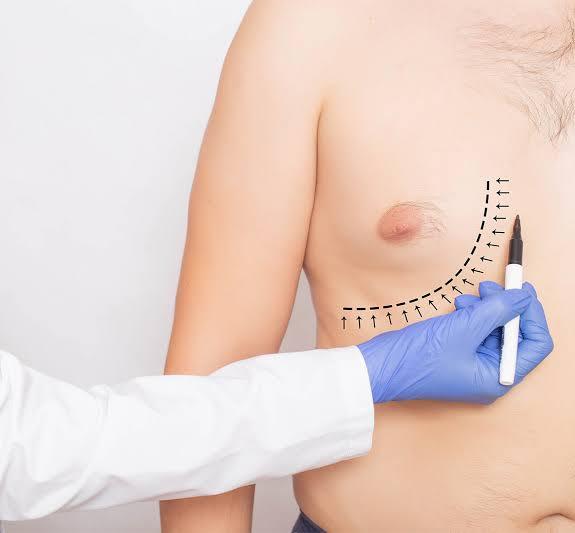
Excess fat around the chest can affect how shirts fit, change the appearance of the upper body, and make some men feel uncomfortable with their proportions. Gynaecomastia surgery in Dubai may help improve chest definition when enlargement involves fatty tissue, glandular tissue, or a combination of both. Understanding the difference between these tissue types is important because the most appropriate treatment depends on the underlying cause of chest fullness.
Why Does Fat Accumulate Around the Male Chest?
Fat can accumulate in the chest area as part of overall body fat distribution. Genetics, weight changes, ageing, and lifestyle factors can influence where the body stores fat. In some men, chest fullness becomes more noticeable after weight gain or when the upper body has relatively little muscle definition.
However, not every enlarged male chest is caused by fat alone. Gynaecomastia involves the development of glandular breast tissue, which may occur alongside fatty deposits. Distinguishing between these conditions helps determine whether weight management, medical evaluation, liposuction, or glandular tissue removal may be appropriate.
Chest Fat Versus Glandular Tissue
Fatty chest enlargement often feels softer and may change as overall body weight changes. Glandular tissue can feel firmer and may form a more concentrated area beneath the nipple. These differences are not always easy to identify through self-examination, so a clinical assessment is important.
When both fat and glandular tissue contribute to chest enlargement, removing only one type may not achieve the intended contour. A treatment plan should consider the distribution of tissue across the entire chest, including the area around the areola and the transition between the chest and upper abdomen.
How Liposuction Can Improve Chest Contours
Liposuction removes selected deposits of fat through small incisions using specialised instruments. During male chest contouring, it may be used to reduce excess fatty tissue and create a smoother transition between the chest and surrounding areas.
The technique is most useful when fat is a significant contributor to enlargement. It does not directly remove all forms of firm glandular tissue, and it cannot reliably tighten substantial amounts of loose skin. These limitations should be discussed before treatment so expectations remain realistic.
The final appearance also depends on skin elasticity, chest structure, and the amount of fat that can be safely removed. Excessive removal is not necessarily better because an uneven or hollow contour may develop if tissue is taken away inappropriately.
When Glandular Tissue Removal May Be Needed
Some men continue to have a prominent nipple area even when the surrounding chest fat is limited. This may indicate that glandular tissue plays a significant role in the enlargement. In these cases, surgical excision may be considered, either alone or alongside liposuction.
The method depends on the location and amount of tissue, the desired correction, and the characteristics of the skin. The objective is to reduce excess fullness while maintaining a balanced transition around the nipple and the rest of the chest.
Can Weight Loss Eliminate Male Chest Fat?
Weight loss can reduce overall body fat and may improve chest fullness when excess fat is the main cause. A sustainable approach that includes balanced nutrition and regular physical activity can support general health and body composition.
However, weight reduction does not always remove persistent chest enlargement caused by glandular tissue. Even men who reach a stable, healthy weight may notice fullness around the nipples. Surgery may be discussed when the enlargement persists and a medical assessment confirms that the approach is suitable.
Significant weight changes after surgery can also affect the chest's appearance. Maintaining a stable weight can help preserve the overall contour, although it cannot prevent every future change.
What Influences the Final Chest Shape?
The result of male chest reduction depends on more than the amount of fat removed. Skin elasticity affects how well the skin adapts to the new contour, while muscle development and natural chest anatomy influence the overall appearance.
Some men have asymmetry before treatment, and perfectly identical sides are not guaranteed after surgery. If excess skin is present, liposuction alone may not provide sufficient correction. These factors should be considered when developing an individual treatment plan.
Swelling can temporarily obscure the result during recovery. The chest gradually becomes easier to assess as the tissues settle, so early postoperative appearance should not be treated as the final outcome.
Recovery After Chest Fat Removal
Following surgery, temporary swelling, bruising, tenderness, and tightness may occur. A compression garment may be recommended to support the treated area, depending on the procedure and the individual's needs.
Follow the instructions for incision care, medication, and activity restrictions. Avoid strenuous exercise and heavy lifting until your healthcare provider confirms that it is safe to resume them. Contact your care team if you notice worsening pain, increasing redness, fever, sudden swelling, or unusual wound discharge.
Recovery varies according to the extent of treatment, the technique used, and individual healing patterns. Follow-up appointments help assess progress and address any concerns about the developing contour.
Final Thoughts on Removing Chest Fat With Gynaecomastia Surgery in Dubai
Choosing the right approach begins with identifying whether chest enlargement is caused by fat, glandular tissue, or both. Liposuction may improve fatty fullness, while glandular tissue removal or a combined technique may be needed in other cases. For those researching male chest contouring, TAJMEELS CLINIC can be part of the information-gathering process when exploring suitable treatment options, expected changes, and recovery requirements for gynaecomastia surgery in Dubai.
For More Details, Contact Us Through:
WhatsApp: +971 56 203 8751
Phone: +971 4 373 9000
Social Media:

 English
 Arabic
 French
 Spanish
 Portuguese
 Deutsch
 Dutch
Dutch
 Italiano
 Russian
 Romaian
 Portuguese (Brazil)
 Greek
Greek
