

How to Choose a Qualified Surgeon for Facelift Surgery
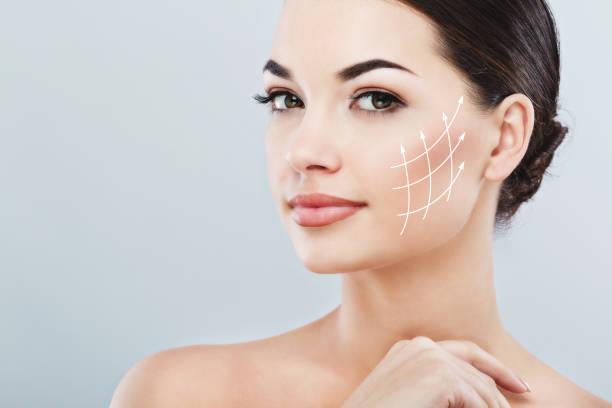
Choosing the right surgeon is one of the most important steps when considering facial rejuvenation. A surgeon's qualifications, experience, communication style, and approach to patient safety can all influence the treatment experience. Facelift Surgery in Riyadh (جراحة شد الوجه في الرياض) is an option for people who want to address visible signs of facial aging, including sagging cheeks, jowls, and reduced jawline definition. Before deciding on a procedure, it is essential to understand how to evaluate a surgeon, assess the available treatment options, and make an informed decision based on your individual needs.
Verify the Surgeon's Qualifications and Credentials
The first step is to confirm that the surgeon has appropriate medical qualifications and specialist training relevant to cosmetic facial surgery.
Check Specialist Certification
Look for a surgeon who is appropriately qualified in plastic surgery and authorized to practice in the relevant jurisdiction. In Saudi Arabia, you can ask about registration and specialist classification through the Saudi Commission for Health Specialties (SCFHS).
Verify credentials through official sources where possible rather than relying exclusively on advertising or promotional claims. Additional training may be valuable, but it should not replace recognized medical qualifications.
Review Relevant Surgical Experience
Experience with facial procedures is an important consideration. Ask how frequently the surgeon performs facelifts and whether they regularly treat concerns similar to yours.
A surgeon should be able to explain the techniques they use, why a particular approach may be suitable, and what limitations you should understand before proceeding. Experience alone does not guarantee a particular outcome, so it should be considered alongside qualifications, safety practices, and communication.
Evaluate Before-and-After Results
Before-and-after photographs can help you understand a surgeon's aesthetic approach, although they cannot guarantee that you will achieve a similar result.
Look for Natural-Looking Outcomes
Review photographs of patients with facial features and aging concerns similar to your own. Look for balanced facial contours and improvements that appear consistent with the patient's original anatomy.
Ask whether the photographs represent the surgeon's own patients and whether they were taken under comparable lighting, angles, and conditions. Photographs are useful for discussion, but they should not replace a clinical assessment or a realistic conversation about possible results.
Understand the Limits of Visual Evidence
Images may not show scars clearly, explain recovery experiences, or reveal complications. A responsible surgeon should discuss the full range of possible outcomes rather than presenting only ideal examples.
When considering Facelift Surgery in Riyadh, prioritize transparent information about benefits, risks, and limitations instead of choosing a provider based solely on photographs or promotional material.
Assess the Consultation Experience
A thorough consultation should help you understand whether a facelift is appropriate for your goals and health.
Expect an Individualized Assessment
The surgeon should examine your facial anatomy, skin laxity, cheek position, jawline, and any concerns involving the neck. They should also review your medical history, medications, allergies, previous procedures, and factors that may affect healing.
Treatment recommendations should be based on your individual needs. Be cautious if a provider recommends surgery without an appropriate examination or makes guarantees about results.
Look for Clear and Honest Communication
A qualified surgeon should explain the recommended technique in understandable language and discuss alternatives where appropriate. You should have time to ask questions about incision placement, recovery, potential complications, and expected results.
You should also feel comfortable expressing concerns or deciding to postpone treatment. A professional consultation should inform your decision rather than pressure you into booking surgery.
Understand the Risks and Safety Standards
Every facelift involves potential risks, even when performed by an experienced surgeon. Patient safety should be a central part of your decision.
Ask About Potential Complications
Discuss risks such as bleeding, infection, scarring, delayed wound healing, changes in skin sensation, facial nerve injury, and complications related to anesthesia. Individual risk depends on medical history, surgical technique, and other factors.
The surgeon should explain how complications are monitored and managed and provide clear instructions for seeking help after surgery.
Confirm the Facility and Anesthesia Arrangements
Ask where the procedure will be performed and whether the facility is appropriately licensed and equipped for the planned surgery. Find out who will administer anesthesia, what monitoring will be used, and how emergencies would be handled.
You should also understand who will provide postoperative care and whom to contact if you experience unexpected symptoms during recovery.
Compare Treatment Options Carefully
Not every person concerned about facial aging needs a traditional facelift. Different techniques address different concerns, and non-surgical treatments may be more appropriate for some individuals.
Understand Different Facelift Techniques
A traditional facelift may be considered for more noticeable sagging around the lower cheeks and jawline. A mini facelift may be appropriate for selected patients with milder changes, while a neck lift may be discussed when concerns extend below the jawline.
The most suitable option depends on facial anatomy, the degree of tissue sagging, medical suitability, and personal goals. A more extensive procedure is not automatically the best choice for everyone.
Ask About Non-Surgical Alternatives
Skincare, injectable treatments, and selected energy-based procedures may help with certain signs of aging. However, they generally cannot provide the same degree of correction for substantial loose skin.
A surgeon should explain the expected benefits and limitations of relevant alternatives so you can compare options without feeling pressured to choose surgery.
Consider Recovery Support and Follow-Up Care
Recovery planning is an important part of choosing a surgeon. Ask how follow-up appointments are arranged, what aftercare instructions you will receive, and how concerns will be handled outside regular appointments.
Swelling, bruising, tightness, and temporary changes in sensation can occur after a facelift. Your surgeon should explain activity restrictions and when you may be able to return to work, driving, and exercise.
Facelift Surgery in Riyadh should involve a clear postoperative care plan, including instructions for recognizing complications and obtaining prompt medical assistance if needed.
Book an Appointment at Royal Clinic Saudia
If you are exploring facial rejuvenation, Royal Clinic Saudia ( عيادات رويال كلينك ) can be a starting point for discussing your aesthetic concerns and learning about available treatment options. Before proceeding, ask about the treating surgeon's specialist qualifications, relevant experience, facility standards, and postoperative care arrangements.
Arrange a consultation to review your medical history, discuss your goals, and understand the potential benefits, risks, and recovery requirements. Taking time to verify credentials and compare your options can help you make a more informed decision about facial rejuvenation.

 English
 Arabic
 French
 Spanish
 Portuguese
 Deutsch
 Turkish
 Dutch
Dutch
 Russian
 Romaian
 Portuguese (Brazil)
 Greek
Greek
