

Garbage Disposal Repair Dayton OH: Professional Kitchen Solutions
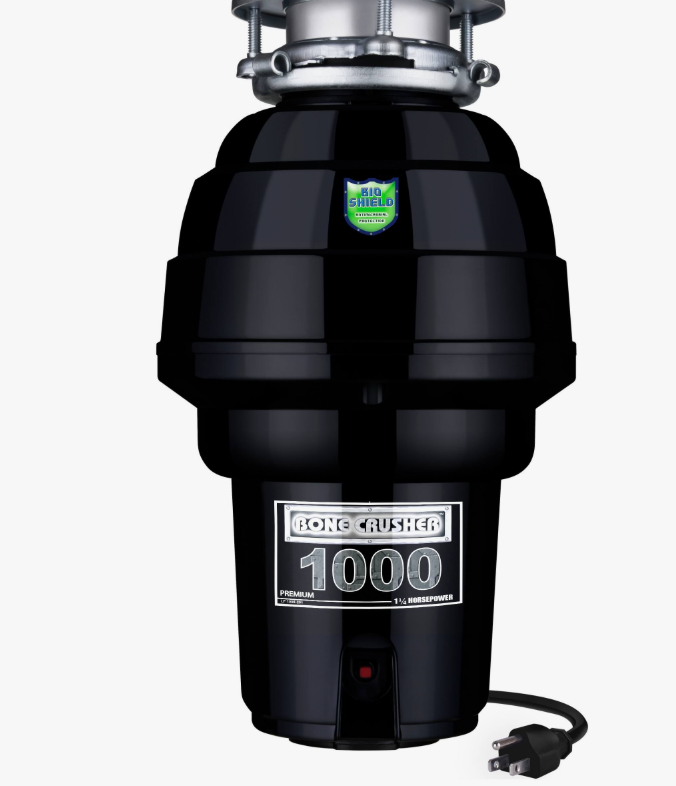
A garbage disposal helps homeowners manage suitable food scraps, simplify kitchen cleanup, and maintain a more convenient cooking environment. When the appliance stops working, develops a leak, or makes unusual grinding noises, even routine household tasks can become frustrating. A disposal that drains poorly may also indicate a problem with the connected kitchen plumbing, making it important to identify the underlying cause before attempting a repair. Homeowners searching for garbage disposal repair Dayton OH need practical information about common malfunctions, safe troubleshooting, and professional repair options. Understanding how the appliance works and recognizing early warning signs can help prevent additional damage and restore normal kitchen functionality.
Garbage disposals operate under repeated mechanical stress and exposure to moisture, food residue, and changing usage patterns. Over time, an obstruction, worn component, electrical fault, or deteriorating seal may interfere with performance. Some issues can be identified through simple checks, but others require specialized tools and technical knowledge. Attempting to force a jammed mechanism or dismantle an electrically connected appliance can create unnecessary risks. Homeowners should therefore understand when basic troubleshooting is appropriate and when qualified assistance is the safer choice. By evaluating the appliance's condition, considering repair costs, and following sensible maintenance practices, Dayton residents can make informed decisions that protect their kitchen plumbing and support reliable everyday operation.
Common Garbage Disposal Problems and Their Warning Signs
A malfunctioning garbage disposal often provides clues about the type of problem affecting it. If the unit does not start, possible causes include an interrupted power supply, a tripped circuit breaker, a faulty switch, or an activated overload protector. A humming sound without grinding may indicate that the motor receives power but the grinding mechanism cannot rotate freely. Rattling or metallic noises can occur when a hard object becomes lodged inside the chamber, while persistent vibration may suggest a loose mounting connection. Water leaking beneath the sink can originate from the sink flange, discharge pipe, dishwasher hose, or disposal housing. Slow drainage may point to an obstruction in the connected drainpipe rather than a failed disposal motor. These symptoms should not be treated as interchangeable because each requires a different diagnostic approach. Homeowners should stop operating a unit that hums without grinding, produces a burning odor, or leaks continuously. Recognizing these warning signs early can help limit further damage and make it easier to explain the problem when arranging professional service.
Before arranging a repair appointment, homeowners can perform a few basic checks without dismantling the appliance. First, switch off the disposal and check whether its power cord is properly connected, if applicable. If the circuit breaker has tripped, investigate the cause rather than repeatedly resetting it, particularly if it trips again. Some models have a reset button underneath the unit, which may be used according to the manufacturer's instructions after the appliance has been switched off and allowed to cool. Never place your hand inside the grinding chamber, even when the disposal appears inactive. If a jam is suspected, disconnect power at the appropriate source before considering any manufacturer-approved troubleshooting procedure. Avoid repeatedly switching on a humming disposal because the motor may overheat. Chemical drain cleaners should also be avoided unless the appliance manufacturer explicitly permits their use. If the unit continues to malfunction, produces smoke, smells burnt, or leaks near electrical components, stop troubleshooting and contact a qualified professional. These precautions help reduce the risk of injury and prevent an initially minor issue from becoming a more serious repair.
Repair or Replacement: Which Option Offers Better Value?
Deciding whether to repair or replace a garbage disposal depends on the cause of the problem, the appliance's age, and its overall condition. A relatively new unit with a minor jam, loose connection, or replaceable seal may be worth repairing. However, a disposal with a failed motor, cracked housing, persistent leakage, or repeated breakdowns may be a better candidate for replacement. Homeowners should compare the estimated repair cost with the total cost of installing a new unit, including labor, compatible components, and any necessary plumbing adjustments. Warranty coverage may also influence the decision, especially when a component fails during the manufacturer's coverage period. Replacement offers an opportunity to consider different motor capacities, noise levels, and installation requirements, but a more expensive model is not automatically necessary for every household. A qualified technician can explain the advantages and limitations of each option after inspecting the existing appliance. Making the decision based on condition, performance, and long-term value helps avoid unnecessary spending while supporting reliable kitchen operation.
Garbage Disposal Maintenance Tips for Dayton Homeowners
Regular maintenance and appropriate usage can help extend the service life of a garbage disposal. Homeowners should follow the manufacturer's instructions regarding acceptable food scraps, water flow, and operating procedures. Avoid putting grease, cooking oil, fibrous materials, large bones, or unsuitable household waste into the disposal because these materials can contribute to blockages or interfere with grinding. Coffee grounds and starchy food scraps can also accumulate in plumbing systems under certain conditions, so they should be discarded carefully rather than in large quantities. Clean accessible sink surfaces and the splash guard regularly, but never reach into the grinding chamber to remove debris. Pay attention to changes in sound, drainage speed, and performance, as these may indicate an obstruction or developing mechanical issue. Periodically inspect the cabinet beneath the sink for moisture, damaged connections, or signs of corrosion. If leaks or recurring jams develop, arrange an inspection rather than continuing to operate the appliance in an unreliable condition. These simple habits can reduce avoidable breakdowns and help homeowners identify potential problems before they cause more extensive damage.
Conclusion
A properly functioning garbage disposal supports convenient kitchen cleanup, but electrical faults, jammed grinding mechanisms, worn seals, and blocked drainpipes can interrupt its operation. Recognizing warning signs early and following safe troubleshooting practices helps homeowners determine when professional assistance is necessary. For anyone researching garbage disposal repair Dayton OH, the best approach is to prioritize accurate diagnosis, safe workmanship, transparent estimates, and a repair strategy suited to the appliance's condition. Homeowners should never reach into the disposal or continue operating a unit that hums without grinding, leaks persistently, or produces a burning smell. When repair is no longer economical, selecting a compatible replacement can provide a practical alternative. Combined with responsible disposal habits and routine maintenance, timely professional service can help Dayton homeowners protect their kitchen plumbing, reduce avoidable expenses, and maintain a dependable kitchen environment.

 English
 Arabic
 French
 Spanish
 Portuguese
 Turkish
 Dutch
Dutch
 Italiano
 Russian
 Romaian
 Portuguese (Brazil)
 Greek
Greek
