

How to Recognize an Infected Wart Removal Site
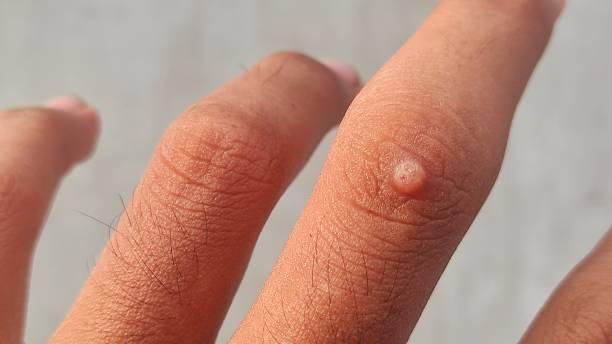
Wart removal is a common dermatological procedure that helps eliminate unwanted skin growths caused by certain types of human papillomavirus (HPV). Although most treated areas heal without serious complications, an infection can sometimes develop if bacteria enter damaged skin. Recognizing the warning signs early is important because prompt medical attention can help prevent the problem from worsening. If you are considering Warts Removal Treatment in Riyadh, understanding the difference between normal healing and a possible infection can help you care for your skin more confidently after treatment.
After wart removal, the skin may temporarily become red, tender, swollen, or blistered, depending on the procedure used. These reactions can be part of the normal healing process and do not automatically indicate an infection. However, symptoms that become increasingly severe, spread beyond the treatment area, or occur alongside pus or fever require medical assessment. Anyone undergoing Warts Removal Treatment in Riyadh should follow the recommended aftercare instructions and monitor the treated skin for unusual changes during recovery.
What Does a Normal Wart Removal Site Look Like?
Before identifying an infection, it helps to understand the skin changes that may occur during ordinary healing. The appearance of the treated area depends on whether the wart was frozen, treated with medication, removed surgically, or addressed using another procedure.
After cryotherapy, the area may develop redness, mild swelling, tenderness, or a fluid-filled blister. A scab may form as the skin heals. Following surgical removal, there may be a small wound, mild soreness, and limited bleeding immediately after the procedure.
These symptoms should generally improve over time, although the healing period varies. A normal healing site should not become progressively more painful or develop spreading redness and increasing discharge. If you are unsure whether your symptoms are expected, contact the healthcare professional who performed the procedure.
Common Signs of an Infected Wart Removal Site
An infection may develop when bacteria enter the skin through a wound or damaged tissue. Several warning signs can help you recognize when the treated area needs medical attention.
Increasing Redness Around the Treatment Area
Some redness is common immediately after wart removal. However, redness that continues to spread into surrounding skin or becomes more pronounced instead of gradually improving may indicate an infection.
Pay attention to changes in the size and appearance of the red area. If the surrounding skin becomes increasingly irritated, swollen, or painful, contact a healthcare professional for an assessment.
Redness alone does not confirm an infection because inflammation and skin sensitivity can occur during normal healing. The pattern of symptoms and whether they are worsening are important considerations.
Increasing Pain or Tenderness
Mild discomfort is common after wart removal, particularly when the procedure involves freezing, heat, or surgical removal. The discomfort should generally improve as healing progresses.
Pain that becomes stronger, throbs persistently, or makes it difficult to use the affected hand or foot may be a warning sign. Increased tenderness combined with swelling, warmth, or discharge is especially concerning.
Do not assume that worsening pain is simply part of recovery. Seek medical advice if discomfort is increasing or does not improve as expected.
Warmth and Swelling
The treated area may feel slightly warm or appear mildly swollen after a procedure. These reactions can occur as part of the body's natural response to skin injury.
However, pronounced warmth, increasing swelling, or redness spreading into nearby skin may suggest an infection. Swelling that continues to worsen or causes significant discomfort should be evaluated by a healthcare professional.
Avoid squeezing the area or applying strong topical products in an attempt to reduce the swelling. These actions may further irritate the skin.
Pus or Unusual Discharge
Pus is an important warning sign of a possible bacterial infection. It may appear as thick, cloudy, yellowish, greenish, or foul-smelling discharge from the treated site.
A blister containing clear fluid after cryotherapy is not necessarily infected. Similarly, a small amount of fluid may occur during wound healing. However, thick discharge accompanied by worsening redness, pain, or swelling requires medical assessment.
Do not squeeze, puncture, or drain the area yourself. Keep it protected according to your aftercare instructions and seek professional advice.
Delayed Healing or a Worsening Wound
Some wart removal sites take longer to heal than others, especially when the wart is on the sole of the foot or the procedure creates a deeper wound. Nevertheless, the area should generally show gradual improvement.
A wound that repeatedly breaks open, continues to deteriorate, or develops new symptoms after initially improving may require examination. Delayed healing can have several causes, including infection, repeated friction, or an underlying health condition that affects wound repair.
People with diabetes, poor circulation, or weakened immune systems should contact a healthcare professional promptly if healing is delayed or the treated area looks unusual.
Can an Infected Wart Removal Site Cause Fever?
Yes. A skin infection can sometimes cause fever, chills, or a general feeling of illness, particularly if the infection is becoming more serious.
Seek urgent medical assessment if you develop fever alongside worsening redness, swelling, pain, or pus. Red streaks extending away from the wound may also indicate that an infection is spreading and require prompt evaluation.
If you feel severely unwell or experience rapidly progressing symptoms, seek emergency medical care. Do not wait for every possible warning sign to appear before getting help.
What Should You Do If You Suspect an Infection?
If you think your wart removal site may be infected, contact a qualified healthcare professional for advice. The clinician can examine the area and determine whether treatment is needed. Depending on the findings, management may involve appropriate wound care, medication, or other treatment.
While waiting for medical advice, follow these precautions:
-
Keep the area clean: Gently clean it according to the instructions provided after your procedure.
-
Protect the wound: Use a clean dressing if recommended, and replace it when it becomes wet or dirty.
-
Avoid picking or squeezing: Do not pop blisters, remove scabs, or attempt to drain discharge.
-
Avoid harsh products: Do not apply bleach, concentrated acids, or unapproved home remedies.
-
Monitor symptoms: Pay attention to changes in redness, pain, swelling, discharge, or body temperature.
Do not start leftover antibiotics or use prescription medication without professional guidance. The correct treatment depends on the cause and severity of the problem.
How to Reduce the Risk of Infection After Wart Removal
Good aftercare can help reduce the risk of complications. Follow the specific instructions provided by your healthcare professional because care requirements vary between cryotherapy, topical treatment, laser procedures, and surgical removal.
Wash your hands before touching the treated area or changing a dressing. Keep any wound clean, avoid unnecessary friction, and do not share personal grooming tools that may come into contact with affected skin. Avoid swimming or prolonged soaking if you have an open wound until your clinician confirms it is safe.
Do not apply additional wart-removal products to healing skin unless advised. Products that contain acids or other irritating ingredients can damage the skin and delay recovery.
If you have a condition that affects wound healing, discuss this with your clinician before treatment and ask whether additional monitoring is necessary.
When to Seek Professional Wart Removal Aftercare in Riyadh
An infected treatment site should be assessed by a qualified healthcare professional rather than managed with home remedies alone. Prompt assessment is particularly important when symptoms are worsening, the wound is not healing, or you have a medical condition that increases your risk of complications.
For people considering Warts Removal Treatment in Riyadh, professional guidance can help explain the expected healing process, identify possible complications, and establish an appropriate aftercare plan. If you have already undergone treatment and notice signs of infection, contact a healthcare provider promptly rather than waiting for the symptoms to resolve on their own.
Book a Consultation at Royal Clinic Saudia
If you have concerns about your skin after wart removal, Royal Clinic Saudia can help you explore appropriate assessment and treatment options. A consultation provides an opportunity to discuss unusual symptoms, understand the expected healing process, and receive personalized aftercare guidance. Contact Royal Clinic Saudia to arrange an appointment with a qualified healthcare professional. If you have fever, rapidly spreading redness, severe pain, or other signs of a serious infection, seek urgent medical care rather than waiting for a routine appointment.
FAQs:
Is redness normal after wart removal?
Yes. Mild redness can occur as part of normal healing, especially after cryotherapy or surgical removal. However, redness that spreads or worsens alongside increasing pain, warmth, or discharge should be assessed by a healthcare professional.
How can I tell whether a blister after wart removal is infected?
A clear-fluid blister may be a normal response to cryotherapy. Thick or cloudy discharge, worsening pain, spreading redness, and increasing swelling may indicate infection. Avoid popping the blister and seek medical advice if concerning symptoms develop.
Can an infected wart removal site heal without treatment?
Some minor skin irritation improves naturally, but a suspected infection should not be ignored. A healthcare professional can determine whether treatment is necessary and help prevent complications. Do not attempt to treat a potentially serious infection with home remedies alone.
How long should I monitor my skin after wart removal?
Monitor the treated area throughout the healing process and follow the aftercare instructions provided by your clinician. Seek medical advice if symptoms worsen, new discharge develops, or healing does not progress as expected. People with diabetes or weakened immune systems may need closer monitoring.

 English
 Arabic
 French
 Spanish
 Portuguese
 Deutsch
 Dutch
Dutch
 Italiano
 Russian
 Romaian
 Portuguese (Brazil)
 Greek
Greek
