

Lithium Battery: Types, Applications, and Safety Considerations in the UAE
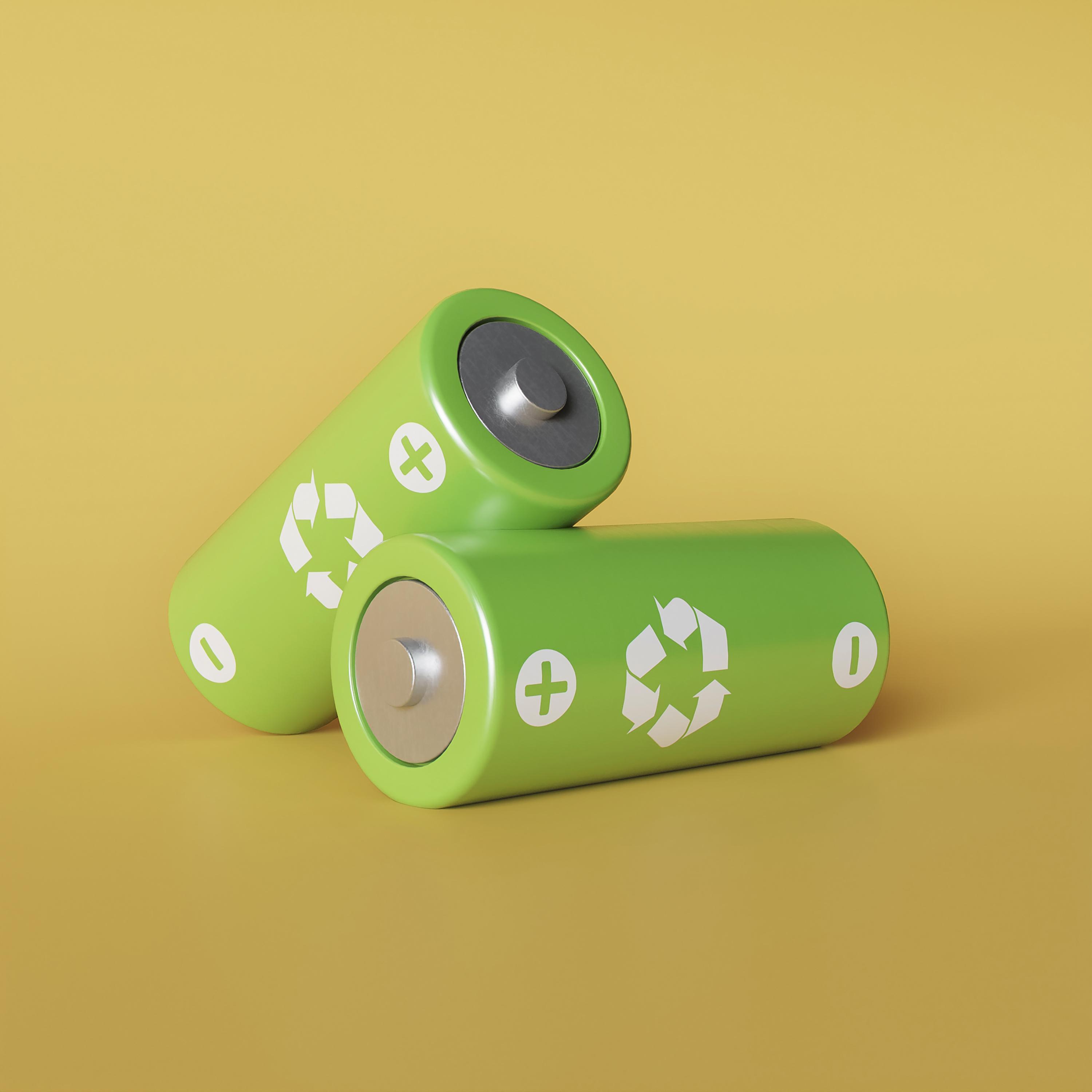
A lithium battery is an important energy storage technology used in electronic devices, vehicles, portable equipment, and renewable energy systems. Its ability to store considerable energy relative to its weight has made it suitable for applications that require reliable power in compact spaces. In the United Arab Emirates (UAE), lithium batteries are relevant to several sectors, including transportation, telecommunications, consumer electronics, and solar energy storage.
The country's hot climate, expanding infrastructure, and growing use of electric equipment make battery selection, maintenance, and safe handling important considerations. Understanding how a lithium battery works, the different types available, and the conditions that influence its performance can help explain its role in modern energy systems.
What Is a Lithium Battery?
A lithium battery is an electrochemical energy storage device that uses lithium in its chemical reactions. The term commonly refers to rechargeable lithium-ion batteries, although primary lithium batteries are also available for applications where recharging is not intended.
In a rechargeable lithium-ion battery, lithium ions move between two electrodes through an electrolyte during charging and discharging. During discharge, the chemical processes generate an electrical current that powers a connected device. Charging reverses the movement of the ions, allowing the battery to store energy for later use.
A typical battery includes a positive electrode, a negative electrode, an electrolyte, and a separator. The separator helps prevent direct contact between the electrodes while allowing ions to move through the battery.
Battery performance depends on several characteristics, including capacity, voltage, energy density, charging rate, operating temperature, and cycle life. These characteristics vary according to the battery's chemistry, design, manufacturing quality, and operating conditions.
Common Types of Lithium Batteries
Different lithium battery chemistries are designed to meet different performance and safety requirements.
Lithium Iron Phosphate Batteries
Lithium iron phosphate batteries, commonly called LFP batteries, use lithium iron phosphate as the positive electrode material. They are known for their relatively stable thermal characteristics and generally long cycle life when operated within their specified limits.
These batteries are used in certain electric vehicles, stationary energy storage systems, and backup power applications. Their energy density may be lower than that of some other lithium-ion chemistries, but their durability and thermal stability can make them suitable for repeated charging and discharging.
Lithium Nickel Manganese Cobalt Batteries
Lithium nickel manganese cobalt batteries, often abbreviated as NMC batteries, combine nickel, manganese, and cobalt in the positive electrode. Their energy density makes them relevant to electric vehicles, portable electronics, and applications where space and weight are important.
Their performance depends on the specific chemical formulation and battery management system. Temperature control and suitable charging practices are important for maintaining safe operation.
Lithium Cobalt Oxide Batteries
Lithium cobalt oxide batteries are commonly associated with compact electronic devices. Their relatively high energy density supports applications where a small battery must provide substantial energy.
However, their suitability for a particular application depends on thermal management, expected discharge rates, and the manufacturer's operating specifications.
Primary Lithium Batteries
Primary lithium batteries are designed for single-use applications rather than routine recharging. They are used in selected sensors, specialised instruments, and devices that require a long storage life. These batteries must not be recharged unless they are explicitly designed for that purpose.
Applications of Lithium Batteries in the UAE
Lithium batteries support a wide range of activities across the UAE.
Electric transportation: Rechargeable lithium-ion batteries are used in electric cars, motorcycles, bicycles, and other electric mobility systems. Battery capacity influences driving range, while charging infrastructure and ambient temperatures can affect everyday usability.
Solar energy storage: Solar installations can use lithium batteries to store electricity generated during daylight hours for later consumption. These systems may support residential, commercial, and industrial energy management.
Consumer electronics: Smartphones, laptops, cameras, tablets, and portable tools frequently rely on rechargeable lithium-ion batteries because of their compact size and energy storage capabilities.
Backup power systems: Certain telecommunications facilities, monitoring equipment, and other critical installations use lithium battery systems to maintain power during interruptions in the electricity supply.
Outdoor and portable equipment: Camping equipment, portable lighting, and selected recreational devices may also use rechargeable lithium batteries. Their suitability depends on the required capacity, operating environment, and charging arrangements.
How UAE Temperatures Affect Lithium Battery Performance
Temperature is a significant factor affecting lithium battery performance and service life. The UAE's summer temperatures can become extremely high, and equipment exposed to direct sunlight may become considerably hotter than the surrounding air.
Excessive heat can accelerate battery ageing, increase degradation, and, under certain circumstances, contribute to thermal runaway. Thermal runaway is an uncontrolled rise in temperature that can lead to fire or the release of hazardous gases.
Cold conditions can also affect charging and discharging performance. Charging some lithium-ion batteries below their permitted temperature range can cause internal damage.
Battery systems should therefore operate within the temperature limits specified for their chemistry and design. Appropriate ventilation, temperature monitoring, and protection from direct sunlight can help reduce exposure to excessive heat. Batteries should never be left in a hot vehicle for extended periods unless the equipment is specifically designed for those conditions.
Lithium Battery Safety and Maintenance
Correct handling is essential for reducing the risks associated with lithium batteries. Batteries should be used with compatible chargers and equipment, and charging instructions should be followed carefully.
Damaged, swollen, leaking, or unusually hot batteries should not continue to be used. They should not be punctured, crushed, or exposed to flames. Batteries showing signs of damage require appropriate professional assessment and handling.
For larger battery installations, a battery management system can monitor parameters such as voltage, current, and temperature. Depending on the design, it may also provide protection against overcharging, excessive discharge, and other abnormal operating conditions.
Storage practices also matter. Batteries should be kept in suitable conditions according to the manufacturer's guidance, away from excessive heat and moisture. Damaged or unwanted batteries should be handled through appropriate collection and recycling channels rather than placed in ordinary household waste.
Conclusion
A lithium battery plays an important role in modern energy storage, transportation, electronics, and backup power applications across the UAE. Different battery chemistries offer distinct combinations of energy density, durability, thermal stability, and cost.
The country's hot climate makes temperature management and safe handling especially important. By understanding battery chemistry, operating limits, maintenance requirements, and appropriate disposal methods, users and organisations can make informed decisions about lithium battery applications while reducing avoidable safety risks.

 English
 Arabic
 French
 Spanish
 Portuguese
 Deutsch
 Turkish
 Dutch
Dutch
 Italiano
 Russian
 Portuguese (Brazil)
 Greek
Greek