

Is Dermal Fillers Treatment Right for Your Skin?
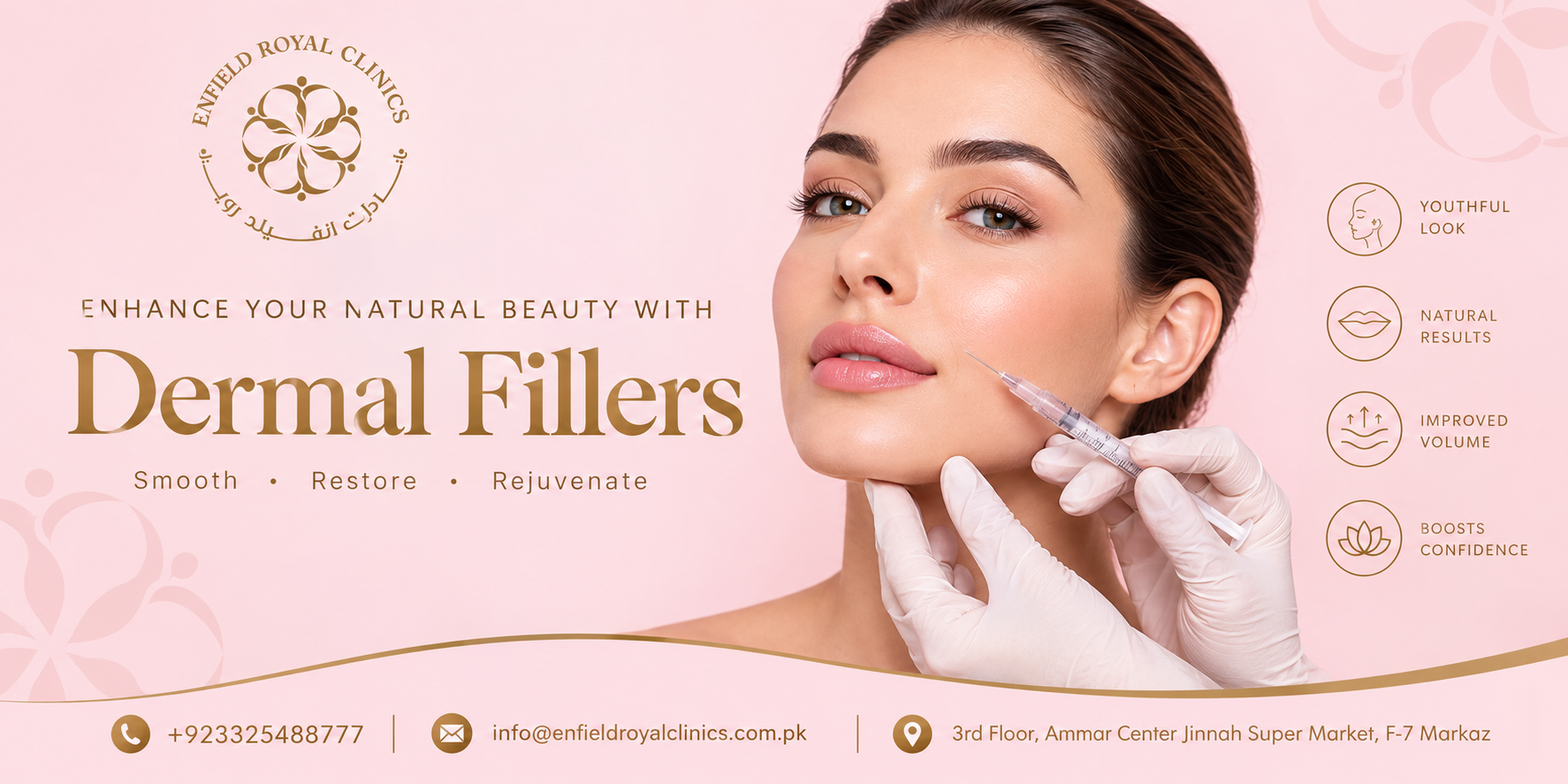
Dermal fillers are popular cosmetic treatments that help restore facial volume, soften certain wrinkles, and enhance natural facial features. They can improve the appearance of areas such as the cheeks, lips, chin, and jawline without requiring surgery. However, the treatment may not be suitable for everyone. Understanding how fillers work, their potential benefits, and their limitations can help individuals decide whether this option matches their skin concerns and aesthetic goals.
People considering Dermal Fillers in Islamabad may have different reasons for exploring treatment, including age-related volume loss, facial asymmetry, or the desire for subtle facial enhancement. The right approach depends on skin condition, medical history, the type of filler used, and an assessment by a qualified healthcare professional.
How Do Dermal Fillers Improve Facial Appearance?
Dermal fillers are injectable substances designed to add volume beneath the skin. Many commonly used fillers contain hyaluronic acid, a substance naturally found in the body that helps retain moisture and support skin hydration.
As people age, the face may gradually lose fat, collagen, and structural support. These changes can make the cheeks appear less full, deepen certain facial folds, and affect the definition of the jawline. Fillers can help address selected concerns by restoring volume in specific areas.
Depending on the product and treatment plan, dermal fillers may help:
-
Restore volume in the cheeks and other areas of the face.
-
Soften the appearance of certain facial folds and wrinkles.
-
Enhance lip shape and fullness.
-
Improve the appearance of the chin and jawline.
-
Create a more balanced appearance when addressing selected facial asymmetries.
Results depend on the individual's anatomy, the filler selected, and the amount injected. Fillers do not stop the natural ageing process or permanently change the skin's structure.
Who May Be a Suitable Candidate for Dermal Fillers?
Dermal fillers may suit adults who want to address specific cosmetic concerns without undergoing surgery. A suitable candidate usually has realistic expectations and understands that the treatment offers temporary improvements rather than permanent results.
People who may benefit include those experiencing mild to moderate facial volume loss, thin lips, or visible folds that respond well to filler treatment. Some individuals also choose fillers to improve facial proportions or achieve more definition in particular areas.
However, suitability cannot be determined by age or appearance alone. A healthcare professional should review the individual's medical history, current medications, allergies, previous cosmetic procedures, and treatment goals before recommending injections.
People who are pregnant or breastfeeding are generally advised to postpone elective filler treatments because safety data are limited. Anyone with an active skin infection, inflammation, or certain medical conditions may also need to delay treatment or consider another option. A thorough consultation helps identify potential risks and determine whether fillers are appropriate.
What Skin Concerns Can Dermal Fillers Address?
Dermal fillers are most useful for concerns involving facial volume, contour, and selected lines. They are not designed to treat every skin problem, so choosing the right procedure starts with identifying the main concern.
Volume loss: Fillers can restore fullness in areas such as the cheeks when age-related changes make the face look less supported.
Lip enhancement: Selected fillers can add volume, improve lip definition, and create a more balanced appearance while preserving natural proportions.
Facial folds: Certain fillers can soften the appearance of folds around the nose and mouth. The best approach depends on the cause and depth of the folds.
Chin and jawline definition: Fillers may improve contour in suitable patients by adding volume to specific areas.
Under-eye hollows: In carefully selected cases, certain fillers may reduce the appearance of hollows beneath the eyes. This area requires particular expertise because the skin is delicate and complications can be serious.
Fillers are generally not the best solution for active acne, significant pigmentation, deep skin damage, or loose skin that requires a different approach. A professional assessment can help determine whether fillers, skincare, laser treatment, or another procedure would be more suitable.
Are Dermal Fillers Safe, and What Are the Possible Side Effects?
Dermal fillers are medical treatments, and their safety depends on the product, injection technique, treatment area, and practitioner's training. When administered appropriately by a qualified professional, many people experience temporary and manageable side effects.
Common effects include swelling, redness, tenderness, bruising, and minor discomfort at the injection site. These reactions usually improve over several days, although recovery varies according to the individual and the area treated.
Less common complications include infection, lumps, uneven results, prolonged swelling, or changes in skin colour. A rare but serious complication occurs when filler blocks a blood vessel. This can damage the skin and, in some circumstances, cause vision loss or other severe harm.
Anyone considering Dermal Fillers in Islamabad should choose a qualified, appropriately trained healthcare professional who understands facial anatomy and can manage complications. The practitioner should explain the product being used, discuss potential risks, and provide clear aftercare instructions.
Severe or unusual pain, skin turning pale or developing a mottled colour, or any vision changes after injections require immediate medical attention. These symptoms should never be ignored.
How Long Do Dermal Fillers Results Last?
The results of dermal fillers are temporary, but their duration varies. Factors include the type of filler, the treatment area, the amount injected, and the individual's metabolism.
Fillers in areas with frequent movement, such as the lips, may break down sooner than some fillers placed in less mobile areas. Certain products may last several months, while others can provide results for a year or longer. No single timeframe applies to every patient.
The final appearance may also change as initial swelling settles. A healthcare professional can explain when the results should become more stable and whether a follow-up assessment is appropriate.
Repeat treatment may be considered when the effects gradually diminish, but injections should not be repeated automatically or too frequently. The practitioner should assess the remaining filler, facial appearance, and overall safety before recommending additional treatment.
What Should Patients Do Before and After Treatment?
Preparation and aftercare can support a smoother treatment experience. Before the appointment, patients should share their medical history, allergies, medications, supplements, and previous cosmetic treatments. They should also discuss their desired outcome and ask about the specific filler, expected recovery, and possible complications.
Patients should not stop prescribed medication without advice from the prescribing healthcare professional. If there is an active infection, rash, or inflammation near the intended injection site, treatment may need to be postponed.
After treatment, the practitioner may recommend avoiding strenuous exercise for a short period, limiting unnecessary pressure on the treated area, and following specific skin-care instructions. Cold compresses may help reduce swelling when used as directed. Patients should avoid massaging the area unless the practitioner specifically advises it.
It is also important to attend any recommended follow-up appointment. If symptoms worsen or unexpected changes develop, medical advice should be sought promptly rather than attempting to correct the result at home.
Is Dermal Fillers Treatment the Right Choice for Everyone?
Dermal fillers can be a useful option for people who want subtle improvements in facial volume or contour. However, the best treatment is the one that addresses the individual's concerns while respecting their natural features and safety.
People seeking dramatic lifting, treatment for significant skin laxity, or improvement in widespread skin texture concerns may need a different procedure. In some cases, a suitable skincare routine or a non-injectable treatment may provide a better match for the concern.
A consultation should focus on the patient's goals, medical suitability, realistic outcomes, and possible alternatives. Patients should feel comfortable asking questions and taking time to decide. Choosing a treatment because it is popular does not guarantee that it will be the right choice for a particular face or skin type.
For more information visit Enfield royal clinic in islamabad
Frequently Asked Questions
1. Are dermal fillers suitable for all skin types?
Dermal fillers may be suitable for people with different skin types, but the treatment area, medical history, skin condition, and aesthetic goals must be assessed individually. An active infection or inflammation may require treatment to be postponed.
2. Do dermal fillers provide permanent results?
No. Most commonly used dermal fillers provide temporary results. Their duration depends on the product, injection area, and individual factors. Follow-up treatment may be considered after a professional assessment.
3. How long does recovery from dermal fillers take?
Many people return to routine activities soon after treatment, but swelling, redness, and bruising may remain for several days. Recovery varies, and some side effects can last longer. The practitioner should explain what to expect for the specific treatment area.
4. What should someone check before choosing dermal fillers in Islamabad?
They should verify the practitioner's qualifications and experience, ask which product will be used, understand the possible risks, and confirm that appropriate complication-management procedures are available. Clear aftercare instructions and realistic expectations are also important.

 English
 Arabic
 French
 Spanish
 Portuguese
 Deutsch
 Turkish
 Dutch
Dutch
 Italiano
 Russian
 Romaian
 Greek
Greek
