

PRP Hair Treatment for Addressing Changes in Hair Volume
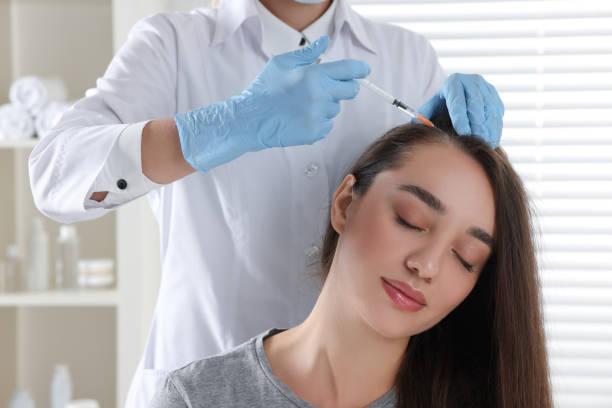
Changes in hair volume can happen gradually, leaving hair looking thinner, flatter, or less full than before. Whether you notice more visible scalp, reduced ponytail thickness, or increased shedding while brushing, understanding the cause is an important first step toward healthier-looking hair. PRP hair treatment in Riyadh is a nonsurgical hair restoration option that uses platelet-rich plasma prepared from your own blood to support existing hair follicles. This approach may help improve hair thickness and density in suitable candidates. Learning how the treatment works, who may benefit, and what results to expect can help you make an informed decision about your hair care journey.
Understanding Changes in Hair Volume
Hair volume depends on several factors, including the number of active follicles, the thickness of individual strands, genetics, and overall hair health. When hair becomes finer or shedding increases, the scalp may appear more visible and hairstyles may lose their fullness. These changes can be associated with pattern hair loss, hormonal fluctuations, stress, nutritional deficiencies, or certain scalp conditions. Normal daily shedding is part of the hair growth cycle, but persistent or sudden changes deserve attention. A professional assessment can help identify the underlying cause and guide appropriate treatment.
What Is PRP Hair Treatment?
Platelet-rich plasma, commonly known as PRP, is prepared by collecting a small blood sample and processing it in a centrifuge. This separates plasma containing a concentrated amount of platelets, which release growth factors involved in the body's natural repair processes. A qualified healthcare professional injects the prepared plasma into selected areas of the scalp. The purpose is to support the local environment around existing hair follicles. PRP does not involve surgery or transplanting new follicles, and its effectiveness varies depending on the cause of hair thinning and the individual's response.
How PRP May Help Improve Hair Density
Changes in hair volume often occur when follicles produce finer strands or when more hairs enter the shedding phase. Researchers are investigating how platelet-derived growth factors may influence follicular activity and hair thickness. Some clinical evidence suggests PRP may improve hair density in certain people with nonscarring hair loss, particularly pattern hair loss. However, results are not guaranteed, and the treatment cannot reliably restore hair where follicles have been permanently destroyed. A clinician can explain whether PRP is appropriate for your condition and whether additional treatments may offer better results.
Who May Benefit From PRP Therapy?
People experiencing early hair thinning or certain forms of pattern hair loss may be suitable candidates for PRP. It may also be considered by individuals who want a nonsurgical option as part of a broader hair restoration plan. However, not every change in hair volume responds to the same treatment. Hair loss associated with nutritional deficiencies, medical conditions, medication, or scalp inflammation may require a different approach. A healthcare professional can review your medical history, examine the scalp, and recommend further tests if needed. This assessment helps ensure the treatment plan addresses the underlying problem.
What Happens During a PRP Session?
The procedure usually begins with a consultation to assess your scalp and discuss your hair restoration goals. A small blood sample is collected and processed to prepare platelet-rich plasma. After the scalp is cleaned, the plasma is injected into targeted areas using fine needles. A topical numbing agent may be applied to reduce discomfort. Most patients can return to their regular activities relatively quickly, although temporary redness, tenderness, swelling, or bruising may occur. Your clinician will provide instructions about scalp care and explain what to expect during recovery.
How Many Sessions May Be Required?
Hair restoration is gradual, so visible improvements in hair volume usually take time. A treatment plan may involve several initial sessions followed by maintenance treatments when appropriate. The recommended schedule depends on the degree of thinning, the cause of hair loss, and the individual's response. Some people may notice changes after several months, while others experience limited improvement. Tracking hair density through photographs taken under similar lighting can help you monitor progress more objectively. Follow-up appointments allow your clinician to assess the response and determine whether adjustments are necessary.
Supporting Hair Volume Through Everyday Care
Healthy daily habits can complement professional hair restoration. Eating a balanced diet with adequate protein, iron, and other essential nutrients supports normal hair growth. Gentle brushing, limiting excessive heat styling, and avoiding hairstyles that pull tightly on the roots can help reduce breakage. Managing stress and maintaining appropriate scalp hygiene may also support overall hair care. If your hair volume changes persist, seek professional advice instead of relying solely on cosmetic products or supplements. Treating an underlying cause is often more effective than attempting to address visible thinning alone.
Choosing a Suitable Hair Restoration Clinic
Selecting a qualified clinic is important when considering injectable treatments for hair thinning. Look for healthcare professionals who assess the cause of hair loss, explain the potential benefits and limitations of PRP, and follow appropriate hygiene standards. You should receive clear information about possible side effects, alternative treatments, and follow-up care. Be cautious of promises of guaranteed regrowth because individual outcomes vary. A personalized plan based on your scalp condition and medical history can help you make a better-informed decision about managing changes in hair volume.
Book Your Appointment at Royal Clinic Saudi
If you have noticed reduced hair volume or increasing scalp visibility, Royal Clinic Saudi can be a starting point for discussing your concerns and exploring available hair restoration options. Arrange a consultation to learn whether PRP hair treatment in Riyadh may suit your needs. A professional assessment can help identify possible causes of thinning, explain realistic treatment expectations, and guide you toward an appropriate plan. Contact Royal Clinic Saudi to inquire about an appointment and take an informed step toward healthier-looking hair.
FAQs:
1. Can PRP help improve hair volume?
PRP may improve hair thickness and density in some suitable candidates.
2. How long does PRP take to show results?
Visible changes may take several months, depending on individual response.
3. Is PRP suitable for every type of hair loss?
No. Its effectiveness depends on the cause of hair loss and follicle health.
4. Do I need multiple PRP sessions?
Several sessions may be recommended, depending on your condition and treatment response.

 English
 Arabic
 French
 Spanish
 Portuguese
 Deutsch
 Dutch
Dutch
 Italiano
 Russian
 Romaian
 Portuguese (Brazil)
 Greek
Greek
