

How Long Does It Take to See Final Rhinoplasty Results?
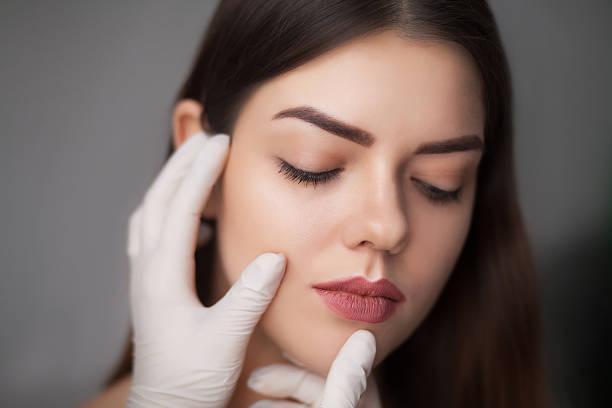
Rhinoplasty results develop gradually as swelling decreases and the tissues of the nose heal after surgery. Although patients may notice changes in their nasal shape within the first few weeks, the nose continues to refine over several months. The time required to see the final outcome depends on skin thickness, surgical technique, the extent of reshaping, and individual healing. Understanding the timeline for Rhinoplasty in Riyadh can help patients maintain realistic expectations throughout recovery.
When Will You First Notice Rhinoplasty Results?
Patients can often see an initial change in their nose once the external splint is removed, commonly around the first week after surgery. However, the nose may still look swollen, bruised, or uneven during this early stage.
The initial appearance should not be considered the final result. Swelling can temporarily hide the definition of the nasal bridge and tip, while healing tissues continue to settle. It is important to allow sufficient time before evaluating the overall outcome.
The Rhinoplasty Results Timeline
First Week: Initial Changes
During the first week, the nose is usually protected with a splint, and swelling or bruising may be noticeable. When the splint is removed, patients may begin to see the changes made during surgery. However, the nose is still healing, so its shape may change as swelling gradually improves.
Weeks Two to Four: Visible Improvement
Bruising and much of the early swelling often improve during the first few weeks. The nose may look more natural, although residual swelling can affect its contours. Some patients notice that one side appears more swollen than the other, which can occur during healing.
One to Three Months: Gradual Refinement
During the first three months, the nasal shape generally becomes more defined as swelling continues to subside. The bridge may appear smoother, and the overall proportions may become easier to assess. The nasal tip often retains swelling longer than other areas, particularly in patients with thicker skin.
Three to Six Months: More Defined Contours
Many patients see further refinement between three and six months. The nose may appear more balanced as the tissues settle, but small changes can continue. The speed of improvement varies, and some patients need considerably longer before the remaining swelling becomes less noticeable.
Six to Twelve Months: Approaching the Final Result
By six months, substantial improvement is often visible, but subtle swelling may remain, especially around the nasal tip. For many patients, the result becomes clearer over the following months, with final definition taking around a year or sometimes longer.
Complex procedures, revision rhinoplasty, and noses with thicker skin may require additional healing time. Your surgeon can evaluate your progress and explain whether the changes are consistent with your individual recovery.
Why Does Rhinoplasty Take So Long to Heal?
The nose contains skin, cartilage, bone, and soft tissues that need time to recover after surgical reshaping. Although the initial swelling may improve relatively quickly, deeper tissues continue healing after the visible bruising disappears.
The nasal tip can take longer to settle because it contains delicate cartilage and soft tissue. Skin thickness also affects how clearly the underlying structure becomes visible. These normal differences explain why two patients who undergo similar procedures may see their final results at different times.
Factors That Influence Final Rhinoplasty Results
Several factors affect how quickly the nose reaches its final appearance:
-
Skin thickness: Thicker nasal skin may retain swelling for longer, particularly around the tip.
-
Surgical complexity: Extensive reshaping or structural reconstruction may involve a longer healing period.
-
Revision surgery: Previous operations can create scar tissue and change the underlying anatomy, potentially prolonging recovery.
-
Individual healing: General health and personal healing patterns influence how tissues recover.
-
Aftercare: Following postoperative instructions and protecting the nose from injury can support healing, although they cannot eliminate swelling immediately.
How to Support Proper Healing After Rhinoplasty
Following your surgeon's aftercare instructions is important for a smooth recovery. Keep scheduled follow-up appointments, take prescribed medication as directed, and avoid touching or putting pressure on the nose. Sleep in the recommended position and avoid strenuous activity until your surgeon confirms that it is safe.
Protect your nose from accidental impact, and follow medical advice about glasses, skincare, sun exposure, and returning to exercise. Avoid smoking and nicotine as advised by your healthcare team because they can interfere with healing.
Do not attempt to speed up recovery with unapproved massage techniques, devices, or treatments. Contact your surgeon if you notice worsening pain, persistent bleeding, fever, unusual discharge, or other concerning symptoms.
When Should You Be Concerned About Your Results?
Temporary swelling and minor differences between the two sides of the nose can occur during recovery. Early asymmetry does not necessarily mean the final result will be uneven because swelling may resolve at different rates.
However, if you have concerns about your healing, discuss them with your surgeon rather than judging the outcome too early. Severe breathing difficulty or heavy bleeding requires urgent medical attention. Decisions about revision surgery are generally delayed until adequate healing has occurred and the surgeon has assessed the result.
Book a Rhinoplasty Consultation at Royal Clinic Saudia
If you are considering Rhinoplasty in Riyadh, contact Royal Clinic Saudia to arrange a consultation with a qualified medical professional. A personalized assessment can help you understand the expected results timeline, the factors that may affect healing, and the appropriate follow-up care for your procedure. Discussing your goals and expectations beforehand can help you make an informed decision.
FAQs:
How many months does it take to see final rhinoplasty results?
Many patients see substantial improvement within three to six months, but final nasal definition often takes around twelve months or longer.
Why does the nasal tip take longer to heal?
The nasal tip contains cartilage and soft tissues that can retain swelling for an extended period. Skin thickness and the surgical technique can also affect how quickly the tip becomes defined.
Can rhinoplasty results change after six months?
Yes. Subtle swelling and tissue changes may continue after six months, so the nose can keep refining during the first year or longer.
How can I help my nose heal properly after rhinoplasty?
Follow your surgeon's instructions, attend follow-up appointments, protect the nose from injury, and avoid activities or products your medical team advises against. Healing time varies from person to person.

 English
 Arabic
 French
 Spanish
 Portuguese
 Deutsch
 Turkish
 Dutch
Dutch
 Italiano
 Romaian
 Portuguese (Brazil)
 Greek
Greek
