

How Soon Can You Wear Contact Lenses After Rhinoplasty?
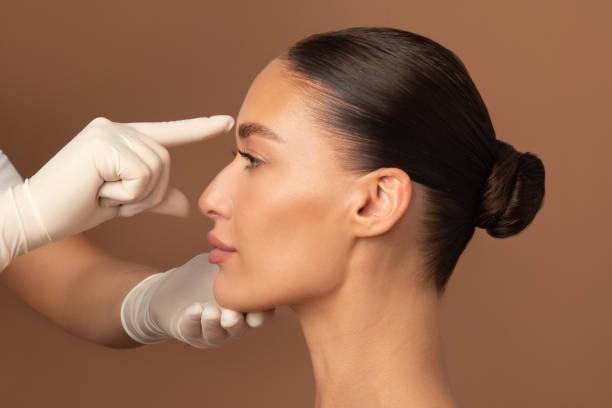
Recovering after rhinoplasty involves taking precautions that protect your nose while allowing you to return to your daily routine. If you regularly wear contact lenses, you may wonder whether you can continue using them immediately after surgery or whether you should wait until the swelling subsides. Fortunately, contact lenses are often easier to resume than glasses because they do not rest on the bridge of the nose. However, proper hygiene and careful handling remain important during recovery.
For patients considering Rhinoplasty in Riyadh (عملية تجميل الانف في الرياض), understanding how to manage vision correction after surgery can help make the recovery period more comfortable. Your surgeon’s instructions should always take priority, especially if you have undergone extensive nasal reshaping or experienced complications.
Can You Wear Contact Lenses Immediately After Rhinoplasty?
Many patients can resume wearing contact lenses relatively soon after rhinoplasty, sometimes within the first day or two, if they feel comfortable and their surgeon has not advised otherwise. Unlike glasses, contact lenses do not place direct pressure on the nose, making them a practical option while the nasal bridge is healing.
However, the timing is not the same for everyone. Surgery, anesthesia, medications, and temporary dehydration can contribute to dry or irritated eyes. If your eyes feel uncomfortable, your vision is blurry, or you have difficulty inserting your lenses, it may be better to use an alternative temporarily.
Always confirm the appropriate timing with your surgical team, particularly if you have undergone additional procedures around the eyes or face.
Why Are Contact Lenses Different From Glasses After Rhinoplasty?
Glasses rest on the nasal bridge and may place pressure on tissues that are still healing. Depending on the surgical technique, pressure from frames may be discouraged for several weeks or longer.
Contact lenses sit directly on the eyes and do not normally touch the nose. This makes them a useful alternative for people who need vision correction during the early recovery period.
Nevertheless, contact lenses require you to touch your eyelids and face when inserting or removing them. Careless movements, poor hygiene, or accidental contact with the nose can cause discomfort or irritation. The key is to handle your lenses gently and follow your surgeon’s recommendations.
What Factors Affect When You Can Wear Contact Lenses?
Several factors can influence how soon you can comfortably return to contact lenses after rhinoplasty.
Eye Dryness After Surgery
Anesthesia, medications, dehydration, and changes in your usual routine may temporarily contribute to dry eyes. Contact lenses can feel less comfortable when the eyes are dry.
If your eyes feel gritty or irritated, avoid forcing yourself to wear your lenses. Ask your healthcare professional whether lubricating eye drops are appropriate for you, and use only products compatible with your contact lenses.
Swelling Around the Eyes
Some patients experience bruising or swelling around the eyelids after rhinoplasty. This may make inserting or removing contact lenses more difficult, even when the lenses themselves do not affect the nose.
Wait until you can handle your lenses comfortably without pulling on sensitive skin or putting pressure on your face.
The Extent of Your Surgery
A routine rhinoplasty may involve a different recovery experience from complex revision surgery or a procedure combined with other facial operations. If your surgery involved areas around the eyes, your surgeon may recommend additional precautions.
Your Contact Lens Routine
People who are experienced contact lens users may find it easier to resume their normal routine than those who are new to wearing lenses. Regardless of experience, hygiene is essential because the eyes can be vulnerable to infection if lenses are handled improperly.
How to Wear Contact Lenses Safely During Recovery
Once your surgeon confirms that you can wear contact lenses, follow these precautions to protect your eyes and avoid unnecessary pressure on your healing nose.
Wash Your Hands Thoroughly
Always wash and dry your hands before inserting or removing contact lenses. Avoid touching your nasal splint, dressings, or incisions while handling your lenses.
Be Gentle Around Your Eyes
Use slow, controlled movements when opening your eyelids and positioning the lenses. Avoid pulling forcefully on the skin or leaning against your nose for support.
Follow Proper Lens Hygiene
Use the contact lens solution recommended for your lenses, and follow your eye care professional’s cleaning and replacement instructions. Never use tap water to clean or store contact lenses, and do not sleep in them unless your eye care professional has specifically approved that use.
Limit Wear if Your Eyes Feel Uncomfortable
Start with a comfortable wearing period and remove the lenses if you notice increasing dryness, redness, pain, or blurred vision. Do not continue wearing lenses simply because you need them for your daily activities.
Keep Your Eyes Moisturized if Recommended
If you experience dryness, ask your eye care professional or surgeon about suitable lubricating drops. Some eye drops are not designed for use with contact lenses, so check product instructions before applying them.
What If You Usually Wear Glasses?
If you rely on glasses but do not regularly wear contact lenses, rhinoplasty recovery may not be the ideal time to start using them without guidance. Inserting and removing unfamiliar lenses can be difficult, particularly when you are tired or experiencing swelling.
Ask your surgeon about temporary vision correction options. Depending on your procedure, alternatives may include contact lenses if suitable, specially supported glasses that do not rest on the nasal bridge, or another arrangement recommended by your medical team.
Do not place heavy glasses directly on the healing nose unless your surgeon has cleared you to do so. The appropriate waiting period depends on the surgical technique and the stability of your nasal structures.
For patients undergoing Rhinoplasty in Riyadh, discussing glasses and contact lens use before surgery can help you plan for the first few weeks of recovery.
When Should You Avoid Contact Lenses and Seek Advice?
Avoid wearing contact lenses if your eyes are significantly irritated or you cannot insert and remove them comfortably. Contact your eye care professional if you experience persistent redness, eye pain, unusual discharge, or continuing blurred vision.
Sudden vision changes, severe eye pain, marked light sensitivity, or significant eye swelling require urgent medical assessment. Remove your lenses if you can do so safely, and do not reinsert them until a qualified professional advises you.
If handling your lenses causes you to press on your nose or disturb postoperative dressings, stop and ask your surgeon for guidance.
Book a Rhinoplasty Consultation at Royal Clinic Saudia
Preparing for recovery includes discussing everyday activities, vision correction, and precautions that may affect your comfort after surgery. Royal Clinic Saudia (عيادات رويال كلينك) can be a starting point for discussing your nasal concerns, rhinoplasty options, and the postoperative instructions you may need.
If you are considering Rhinoplasty in Riyadh, ask your surgeon how soon you can resume contact lenses and when it is safe to wear glasses again. A personalized plan can help you protect your healing nose while managing your vision needs.
FAQs:
Can I wear contact lenses the day after rhinoplasty?
Some patients can wear contact lenses within a day or two if they feel comfortable and their surgeon has not advised against it. Eye dryness, swelling, or additional procedures may affect the timing, so confirm what is appropriate for your recovery.
Are contact lenses safer than glasses after rhinoplasty?
Contact lenses avoid direct pressure on the nasal bridge, which can make them a convenient option during recovery. However, they still require careful handling and good hygiene. Your surgeon can advise you on the safest option for your situation.
Can inserting contact lenses damage my nose after rhinoplasty?
Careful insertion generally does not place direct pressure on the nose, but leaning against the nasal bridge or accidentally touching a healing area should be avoided. Use gentle movements and follow your surgeon’s instructions.
When can I wear glasses again after rhinoplasty?
The timing varies depending on the procedure and how your nose is healing. Some surgeons recommend avoiding glasses that rest on the nasal bridge for several weeks or longer. Ask your surgeon whether temporary support or another option is appropriate before wearing them again.

 Arabic
 French
 Spanish
 Portuguese
 Deutsch
 Turkish
 Dutch
Dutch
 Italiano
 Russian
 Romaian
 Portuguese (Brazil)
 Greek
Greek
