

Crown Hair Transplant in Dubai: What to Expect Before, During & After
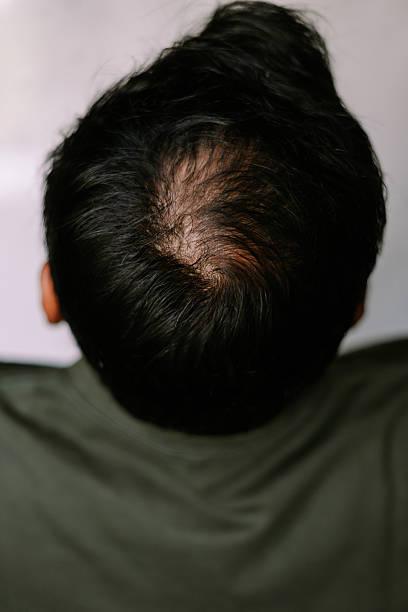
A Crown Hair Transplant in Dubai is a surgical hair restoration procedure that relocates healthy hair follicles from a suitable donor area to the thinning or bald region at the back of the scalp. The process involves more than placing grafts; it requires careful assessment, realistic planning, and appropriate aftercare to support natural-looking coverage.
The crown, also called the vertex, can be particularly challenging because hair grows in changing directions around a central whorl. Understanding each stage of treatment helps patients prepare with realistic expectations and make informed decisions about their restoration plan.
Before a Crown Hair Transplant in Dubai
Consultation and Scalp Assessment
The journey begins with a detailed consultation. A qualified hair restoration specialist examines the extent of crown thinning, the condition of the donor area, scalp health, and the likely progression of hair loss.
The assessment also considers age, medical history, previous hair restoration procedures, and any treatments that may affect the scalp. In some cases, further evaluation may be appropriate before surgery, especially when hair loss is sudden, unexplained, or associated with scalp symptoms.
Not everyone with a thinning crown is immediately suitable for transplantation. If hair loss is actively progressing or donor reserves are limited, the treatment plan may need to account for future needs.
Preparing for the Procedure
Once the treatment plan is established, the clinical team provides instructions tailored to the patient's circumstances. These may include guidance on washing the scalp, arranging transportation, and reviewing medicines or supplements with the treating clinician.
Patients should disclose all medications, allergies, relevant health conditions, and previous procedures. Do not stop prescribed medication unless the responsible clinician specifically advises it.
Dubai residents should also plan their schedules around the early recovery period. It may be sensible to arrange time away from strenuous exercise, swimming, and activities that could expose the scalp to friction, dust, or intense sunlight.
“I want to know exactly how much density I will get.” The achievable result depends on donor supply, the size of the thinning area, existing hair, scalp characteristics, and the number of grafts that can be safely allocated.
What Happens During the Procedure
Step 1: Mapping the Crown
The clinician marks the recipient area and plans how grafts will be distributed. Crown design must account for the natural growth pattern rather than treating the entire area as a uniform circle.
Step 2: Preparing and Extracting Follicular Units
With Follicular Unit Extraction (FUE), individual follicular units are removed from the donor area using specialised instruments. The extraction pattern must be managed carefully to avoid excessive harvesting from any one region.
The donor follicles are then handled and prepared for implantation. Their condition and survival can be influenced by factors such as extraction technique, handling, and time outside the body.
Step 3: Implanting the Grafts
The recipient area is prepared according to the planned distribution, angles, and direction of growth. The crown may require changes in direction across different zones to recreate a believable transition around the whorl.
The procedure is performed using an appropriate anaesthesia plan. Duration varies with the number of grafts, surgical approach, and individual circumstances; patients should confirm the expected schedule during consultation.
For more information about the procedure, visit the Crown Hair Transplant in Dubai service page.
Recovery After Crown Hair Restoration
The First Several Days
Mild redness, swelling, tenderness, and small crusts may occur after transplantation. The degree and duration vary from person to person.
Follow the clinic's instructions for washing, sleeping position, medication, and protecting the recipient area. Avoid rubbing, scratching, or removing crusts manually. Contact the clinical team if symptoms become severe, worsen unexpectedly, or include signs of infection.
The First Few Weeks
Some transplanted hair shafts commonly shed after the procedure. This is a recognised part of the hair transplant cycle and does not necessarily mean the follicles have failed.
The scalp may gradually settle, although the timing differs between patients. Strenuous exercise and activities that risk impact or friction should be resumed only according to the treating clinician's guidance.
New Growth and Maturation
New growth usually develops gradually over several months rather than appearing immediately. Visible improvement often becomes more noticeable around six to nine months, while further maturation may continue for 12 months or longer. Crown results can take time to assess because the area is broad and its growth pattern is complex.
| Stage | What patients may notice |
|---|---|
| First week | Redness, small crusts, and a need for careful scalp care |
| First few weeks | Temporary shedding of transplanted hair shafts may occur |
| Following months | Gradual emergence of new hair |
| Around 6–12 months and beyond | Increasing visible growth and continued maturation |
These are general ranges, not guaranteed milestones. Individual results differ.
Common Questions Before Treatment
“Will I see the final result in a few weeks?” No. Transplanted hair typically follows a gradual growth cycle, so early appearance is not a reliable indicator of the final outcome.
“Does a transplant prevent future hair loss?” No. Transplantation relocates follicles but does not automatically stop the underlying hair-loss process affecting non-transplanted hair.
Making an Informed Decision at Tajmeels Clinic
A well-planned crown restoration journey begins with a realistic assessment and continues through careful surgery and consistent aftercare. Patients should understand the limitations of their donor supply, the expected recovery process, and the possibility that future hair loss may influence long-term appearance.
At Tajmeels Clinic, patients can discuss their crown concerns, suitability for transplantation, and potential treatment options during a personalised consultation. The aim is to develop an individual plan based on scalp assessment, donor capacity, hair characteristics, and realistic expectations—not simply to maximise the number of grafts.

 English
 Arabic
 French
 Spanish
 Deutsch
 Turkish
 Dutch
Dutch
 Italiano
 Russian
 Romaian
 Portuguese (Brazil)
 Greek
Greek
