

Eyelash Hair Transplant in Dubai Recovery and Aftercare
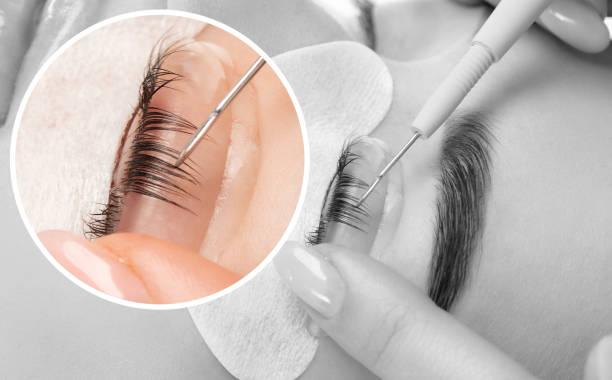
Recovery is an important part of the decision to undergo eyelash restoration because the procedure involves delicate tissue around the eyes. Eyelash Hair Transplant in Dubai requires patients to consider not only the surgical appointment but also the initial healing period, gradual hair growth, follow-up care, and possible long-term grooming.
The recovery experience varies according to the procedure, the number of grafts placed, individual healing characteristics, and adherence to postoperative instructions. Understanding the different stages can help patients prepare realistically without assuming that early healing means the final cosmetic result has already developed.
Understanding the Eyelash Transplant Recovery Timeline
There is no single recovery schedule that applies to every patient. The treating surgeon should provide instructions based on the technique used, the extent of treatment, and the patient's clinical circumstances.
The First Few Days After Surgery
During the early period, the treated area may be sensitive. Temporary swelling, redness, bruising, mild tenderness, or small crusts can occur.
Patients should protect the eyelid area and follow the surgeon's instructions for cleaning and medication use. Rubbing, scratching, or attempting to remove crusts can interfere with healing.
During this period, it is sensible to prepare for a quieter schedule and avoid activities that may expose the treated area to accidental pressure or contamination.
The First One to Two Weeks
Healing continues as the skin settles and the initial signs of the procedure gradually improve. The duration varies, so patients should not assume that the eyelid area is ready for every normal activity simply because it looks better.
Follow the treating clinician's advice regarding exercise, makeup, skincare, washing, and contact lenses. Avoid applying lash serums, adhesive products, or extensions until the surgeon confirms that they are appropriate.
If swelling or discomfort increases instead of improving, contact the treating clinician rather than attempting to manage the issue with unapproved products.
The Following Weeks and Months
The visible appearance of transplanted hairs may change as the follicles adjust to their new location. Some hair shafts may shed after transplantation, and subsequent growth may develop gradually.
The timing and density of new growth are variable. Patients should follow the clinic's recommended review schedule instead of judging the outcome too early.
Because transplanted scalp hair can retain its original growth characteristics, maintenance may remain necessary even after the surgical area has healed.
Eyelash Transplant Aftercare and Daily Habits
Appropriate aftercare helps protect the treated area while it heals. The surgeon's written instructions should take priority over general advice because postoperative recommendations depend on the procedure and individual recovery.
Protecting the Eyelid Area
The eyelids should be handled gently during recovery. Patients should avoid unnecessary rubbing and follow the prescribed cleaning method.
Practical steps include:
-
Wash your hands before touching the area when instructed to do so.
-
Use only the cleaning products or medications recommended by your treating clinician.
-
Avoid pulling at scabs or attempting to reposition grafts.
-
Keep unapproved cosmetic products away from the treated area.
-
Attend follow-up appointments and report concerns promptly.
These measures are intended to reduce avoidable irritation and help the clinical team monitor healing.
Returning to Makeup and Contact Lenses
Patients should ask when they can safely resume mascara, eyeliner, eye creams, and other cosmetic products. The same applies to contact lenses, particularly when the procedure or recovery affects comfort around the eyes.
Do not rely on a fixed number of days from an online article. Your surgeon should confirm when these activities can be resumed based on the condition of the eyelids and the progress of healing.
Exercise, Heat, and Outdoor Activities
The appropriate timing for returning to exercise depends on the surgeon's instructions and the procedure performed. Activities involving heavy exertion, sweat, dust, or accidental contact with the face may need to be restricted during early recovery.
Ask for clear guidance about gym sessions, swimming, sauna use, and outdoor activities. Dubai's warm climate can make sweat and sun exposure practical considerations, but the specific restrictions should come from the treating clinician.
How Transplanted Eyelashes Grow After Surgery
Transplanted hair follicles can behave differently from natural eyelashes because they often originate from the scalp. This distinction is important when considering both the appearance and maintenance of the result.
Understanding Temporary Shedding
Some transplanted hair shafts may shed after surgery. This does not necessarily mean the follicle has failed, although the actual outcome can only be assessed over time.
Patients should not interpret every early change as evidence of success or failure. The clinic's follow-up schedule helps assess the condition of the recipient area and the progression of hair growth.
Why Growth Patterns Differ
Hair growth depends on factors including the characteristics of the donor follicles, the healing process, and individual biology. The final appearance may not be identical to the patient's original eyelashes.
Scalp-derived hairs may grow longer than natural eyelashes and can require regular trimming. Their direction and curvature may also need to be managed as part of long-term care.
When to Evaluate the Cosmetic Result
Early postoperative photographs can document healing, but they should not be treated as a definitive assessment of the final result. Hair growth and maturation take time.
The treating surgeon should explain when meaningful comparisons can be made and whether further follow-up is required. Patients should also understand that no procedure can guarantee a particular density, symmetry, or growth pattern.
Warning Signs During Eyelash Transplant Recovery
Some mild discomfort or swelling may occur after surgery, but symptoms that worsen or suggest an eye-related complication should not be ignored.
Contact the treating clinic promptly if you experience increasing pain, worsening redness, discharge, fever, or unexpected swelling. Eye pain, light sensitivity, or any change in vision warrants urgent medical assessment.
Avoid self-treating concerning symptoms with leftover medication, cosmetic products, or unapproved eye drops. Prompt professional assessment is the safer approach.
Planning for Recovery Before Your Procedure
A little preparation can make postoperative care easier. Before scheduling treatment, confirm what support and supplies you may need and how follow-up will be arranged.
Use this checklist during your consultation:
-
Ask for written postoperative instructions.
-
Confirm when you can wash the area and resume skincare.
-
Ask when makeup and contact lenses may be used again.
-
Clarify exercise, swimming, and heat-related restrictions.
-
Confirm the follow-up schedule and contact procedure for concerns.
-
Discuss the likely maintenance requirements of transplanted hair.
-
Understand what symptoms require urgent medical attention.
A clear recovery plan can help you arrange work, travel, and other responsibilities around the procedure.
Frequently Asked Questions
How long does eyelash transplant recovery take?
Initial healing may take days to weeks, depending on the procedure and the individual. The growth and appearance of transplanted hairs develop over a longer period, so healing and final cosmetic assessment should be considered separately.
Can I wear mascara after an eyelash transplant?
You should wait until your treating surgeon confirms that applying mascara is safe. Applying or removing makeup too early may irritate the treated area or interfere with healing.
Will transplanted eyelashes fall out after surgery?
Some hair shafts may shed after transplantation. This can be part of the postoperative growth cycle, but the outcome varies. Follow-up helps assess whether growth is progressing as expected.
Can I exercise after eyelash transplantation?
The timing depends on your recovery and the surgeon's instructions. Ask specifically about strenuous exercise, swimming, sweating, and activities that may expose the eyelids to contact or contamination.
Do transplanted eyelashes require trimming?
If scalp hair is used, regular trimming may be necessary because it can continue growing longer than natural eyelashes. The amount of maintenance depends on individual hair characteristics.
When should I contact my doctor after an eyelash transplant?
Seek prompt advice for worsening pain, redness, swelling, discharge, or fever. Eye pain, light sensitivity, or changes in vision require urgent medical assessment.
Plan Your Eyelash Restoration Journey With Tajmeels Clinic
Understanding recovery is part of deciding whether eyelash transplantation fits your goals and lifestyle. A consultation can help clarify the procedure, individualized aftercare, likely growth pattern, potential risks, and long-term maintenance.
If you are considering Eyelash Hair Transplant in Dubai, explore the Tajmeels Clinic eyelash transplantation service and request an assessment to discuss your questions with the clinical team.
Clinic note: Recovery timelines are variable. Follow your surgeon's instructions and seek medical attention for concerning symptoms, particularly those affecting vision or eye comfort.

 English
 Arabic
 French
 Spanish
 Portuguese
 Deutsch
 Turkish
 Dutch
Dutch
 Italiano
 Romaian
 Portuguese (Brazil)
 Greek
Greek
