

WhatsApp Loyalty Program Best Practices: 10 Ways to Improve Customer Retention
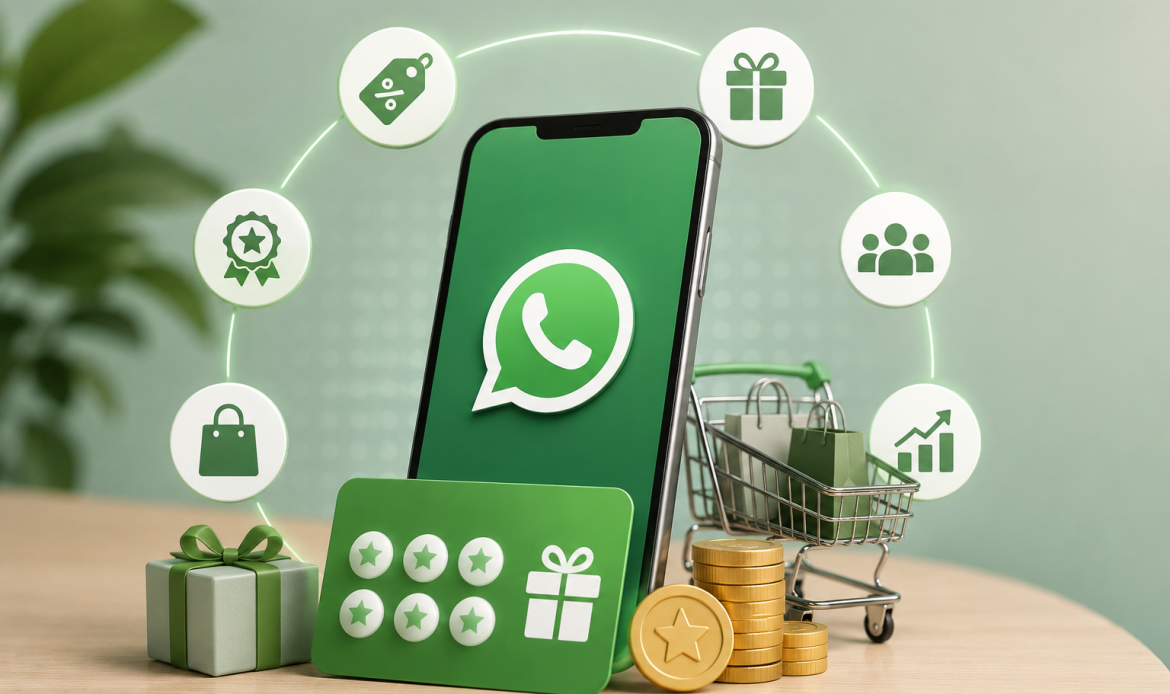
A WhatsApp loyalty program can help businesses encourage repeat purchases, recognise regular customers, and communicate rewards through a familiar messaging channel. However, simply sending discount codes or promotional messages does not guarantee customer loyalty.
An effective program gives customers a clear reason to return. It combines relevant rewards, timely communication, simple redemption, and a consistent customer experience.
Whether you run a retail store, restaurant, ecommerce business, or service-based company, these 10 WhatsApp loyalty program best practices can help you build stronger customer relationships and improve retention.
1. Make Joining the Loyalty Program Simple
Customers are less likely to join a loyalty program if registration requires too many steps.
Use a straightforward sign-up process through a website, QR code, checkout page, or in-store interaction. Explain the main benefits before asking customers to register.
For example, a coffee shop could display a QR code at the counter that takes customers to a WhatsApp conversation where they can request membership details.
Keep the registration process focused on essential information. Ask for additional details only when they serve a clear purpose.
Most importantly, obtain the appropriate consent before sending promotional messages. A customer sharing their phone number for an order does not automatically mean they have agreed to receive marketing messages.
2. Offer Rewards Customers Actually Want
A loyalty program works best when its rewards match customer needs and purchasing habits.
Depending on your business, rewards could include:
-
Discounts on future purchases.
-
Free products after a specified number of purchases.
-
Exclusive bundles or member-only offers.
-
Early access to new products.
-
Referral benefits.
-
Special birthday rewards.
For example, a beauty retailer might offer a complimentary product after a customer reaches a spending threshold. A restaurant could reward frequent visitors with a free side dish or a discount on a future meal.
Evaluate rewards based on customer appeal and business profitability. A large discount may generate short-term purchases but leave little margin for the business.
3. Personalise Messages Using Customer Behaviour
Generic messages are easy to ignore. Personalised loyalty communication can make rewards more relevant by reflecting a customer's purchase history, membership status, or available benefits.
For example, an ecommerce business could notify a customer about an eligible reward based on their membership status rather than sending the same discount to its entire customer base.
Personalisation can include:
-
The customer's name, where appropriate.
-
Their current reward balance.
-
A recently earned benefit.
-
Relevant product categories.
-
Membership tier information.
-
Rewards they can currently redeem.
Use accurate, permissioned data and avoid making messages feel intrusive. Personalisation should help customers understand their benefits, not expose unnecessary details about their behaviour.
4. Send Messages at the Right Time
Timing influences whether customers find a loyalty message useful.
A reward notification should arrive soon after the qualifying transaction has been processed. A reminder about an expiring reward should arrive early enough for the customer to use it.
Consider these examples:
After a purchase: Confirm the points or benefits earned.
When a reward becomes available: Explain what the customer has unlocked and how to redeem it.
Before reward expiry: Send a reminder with the relevant expiry date and conditions.
After a period of inactivity: Consider a relevant incentive if the customer is eligible for a reactivation campaign.
Avoid sending messages simply because there is an opportunity to contact the customer. Each notification should have a clear purpose.
5. Keep Message Frequency Under Control
Frequent promotional messages can cause customers to mute, block, or leave a business's communication channel.
Create a messaging schedule that prioritises important loyalty updates over repeated sales promotions.
For example, a customer may need a purchase confirmation immediately, but they probably do not need several promotional messages about the same reward over a short period.
To manage frequency:
-
Set limits on promotional messages.
-
Avoid sending duplicate notifications.
-
Coordinate loyalty campaigns with other marketing campaigns.
-
Exclude customers who have opted out.
-
Monitor blocks, opt-outs, and negative feedback.
The right frequency depends on customer expectations, purchase cycles, and the type of business. Review engagement and retention data instead of assuming that more messages will produce better results.
6. Make Reward Redemption Easy
Customers should not have to contact customer support repeatedly or follow confusing instructions to use their rewards.
Clearly explain the reward value, eligibility requirements, expiry date, and redemption process in the WhatsApp message.
Where possible, provide a direct link to a relevant product page, booking page, or redemption screen.
For example, a restaurant could send a message confirming that a customer has earned a free dessert and explain how to claim it during their next eligible visit.
Test the entire redemption process before launching the program. Check that the reward is applied correctly, the offer has not expired, and the customer understands any restrictions.
A reward that is difficult to redeem can weaken trust, even when the offer itself is attractive.
7. Segment Customers Instead of Sending the Same Offer to Everyone
Not every customer needs the same reward or message.
Customer segmentation allows businesses to group loyalty members according to meaningful characteristics, such as purchase frequency, reward balance, membership tier, or time since their last purchase.
Here are a few practical segments:
New members: Explain the program rules and how to earn rewards.
Frequent customers: Recognise their continued purchases with relevant benefits.
Customers with unused rewards: Remind them about available benefits and redemption conditions.
Inactive customers: Test targeted incentives designed to encourage another purchase.
High-value customers: Provide benefits appropriate to their membership status and contribution to the business.
Review segment rules regularly and use reliable data to prevent customers from receiving offers for which they are not eligible.
8. Use Automation for Routine Loyalty Updates
Manual loyalty management becomes difficult as membership grows. Automation can reduce repetitive work and help businesses communicate consistently.
By connecting WhatsApp to a CRM, ecommerce platform, or loyalty management system, businesses can trigger messages based on defined customer events.
For example, when a customer earns enough points to qualify for a reward, the loyalty system can update their balance and trigger a WhatsApp notification.
Useful automated workflows include:
-
Welcome messages for eligible new members.
-
Purchase-related reward confirmations.
-
Reward milestone notifications.
-
Membership tier updates.
-
Expiry reminders.
-
Eligible referral confirmations.
Start with a few essential workflows and test them before expanding. Check reward calculations, duplicate triggers, message delivery, and consent handling to avoid sending incorrect information.
9. Give Customers a Way to Check Their Rewards
Customers should not need to search through old messages to understand their loyalty status.
Provide a convenient way to check points, available rewards, membership benefits, and redemption conditions. Depending on your setup, this could be a website page, loyalty portal, WhatsApp interaction, or customer support channel.
For example, a customer could follow a link from a WhatsApp message to view their current reward balance and available benefits.
Keep the information consistent across WhatsApp, the CRM, and the loyalty system. If a customer redeems a reward, ensure the relevant records are updated so that outdated information does not continue appearing in later messages.
10. Measure Performance and Improve the Program
A loyalty program should be evaluated on its contribution to customer retention and business results, not just the number of WhatsApp messages sent.
Track metrics that show whether customers are using the program and returning to make additional purchases.
Repeat purchase rate: Measures how many customers make another purchase within a defined period.
Customer retention rate: Tracks the proportion of customers who continue purchasing over time.
Reward redemption rate: Shows how often issued rewards are redeemed.
Revenue per loyalty member: Helps assess the revenue generated by participating customers.
Customer reactivation rate: Measures how many previously inactive customers return after a campaign.
Opt-out rate: Indicates whether customers are choosing to stop receiving messages.
Program profitability: Compares the incremental business value generated with reward expenses, messaging charges, and operating costs.
Review performance by customer segment and campaign. Where possible, compare campaign recipients with a suitable control group to estimate whether the loyalty initiative caused additional purchases rather than simply rewarding customers who would have bought anyway.
Use the results to refine reward values, messaging frequency, customer segments, and automation rules.
Common WhatsApp Loyalty Program Mistakes to Avoid
Even a well-designed loyalty program can underperform when its basic rules are unclear.
Avoid these common mistakes:
-
Unclear reward conditions: Explain how customers qualify, when rewards expire, and how to redeem them.
-
Rewards with little customer value: Match incentives to customer preferences and business margins.
-
Excessive promotional messaging: Prioritise useful updates and respect communication preferences.
-
Inaccurate reward balances: Connect notifications to reliable transaction and loyalty records.
-
Complicated redemption: Reduce unnecessary steps between receiving a reward and using it.
-
Ignoring customer feedback: Review questions, complaints, opt-outs, and support requests to identify friction.
-
Measuring only message engagement: Evaluate repeat purchases, retention, incremental revenue, and profitability.
Addressing these issues can make the program more useful for customers and easier for the business to manage.
Final Thoughts
A successful WhatsApp loyalty program depends on more than sending discounts through messaging. Customers need rewards worth returning for, clear information about their benefits, and a simple way to redeem them.
Start with a straightforward membership process, relevant incentives, and timely reward notifications. Add segmentation and automation as your customer base grows, then use retention and profitability metrics to improve the program.
When businesses combine useful rewards with relevant communication and reliable service, WhatsApp can become a practical channel for maintaining customer relationships and encouraging repeat purchases.

 English
 Arabic
 French
 Spanish
 Portuguese
 Deutsch
 Dutch
Dutch
 Italiano
 Russian
 Romaian
 Portuguese (Brazil)
 Greek
Greek
