

Hair Transplant in Dubai for Advanced Hair Loss
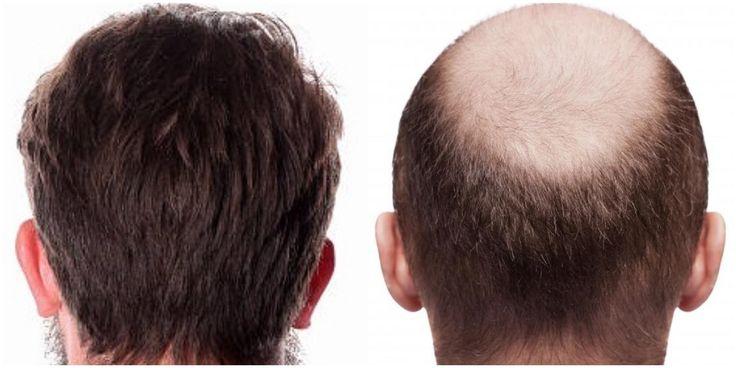
Advanced hair loss can affect large areas of the scalp, making restoration more complex than treating a small receding hairline. When thinning extends across the frontal region, mid-scalp, and crown, a hair transplant in Dubai (زراعة الشعر في دبي) requires careful planning to balance coverage, natural appearance, and the limited supply of donor follicles.
Although transplantation may help selected individuals with extensive baldness, achieving dense coverage across the entire scalp is not always possible. The treatment plan must account for the current pattern of hair loss, the quality of the donor area, and the possibility that hair loss may continue in untreated regions.
What Is Considered Advanced Hair Loss?
Advanced hair loss generally refers to extensive thinning or baldness that affects multiple regions of the scalp. In hereditary hair loss, the frontal hairline may recede significantly, the mid-scalp may become sparse, and the crown may develop a broad area of reduced coverage.
The pattern differs from person to person. Some individuals retain a strong donor area at the back and sides, while others experience reduced density beyond the usual donor region.
Understanding the extent of hair loss helps establish whether transplantation is feasible and which areas could benefit most from treatment.
Can a Hair Transplant Treat Extensive Baldness?
A hair transplant can improve coverage in selected cases of advanced baldness, but the outcome depends heavily on donor hair availability. Transplantation redistributes existing follicles rather than creating new ones, so the available supply places a natural limit on how much coverage can be achieved.
When the recipient area is large, the treatment plan may prioritise the frontal scalp because it has a strong influence on facial framing. Other areas may be addressed later if sufficient donor hair remains and further treatment is appropriate.
A realistic assessment should explain the likely improvement and the areas that may remain thin after treatment.
Why Donor Hair Assessment Is Essential
The donor area usually includes the back and sides of the scalp, where follicles may be more resistant to hereditary hair loss. Its density, hair thickness, follicular-unit composition, and overall condition influence the number of grafts that can be safely harvested.
If the donor area is limited, extracting too many grafts can leave visible thinning or uneven patches. The long-term pattern of hair loss also matters because follicles may be needed for future restoration.
A careful plan preserves donor resources instead of focusing exclusively on the amount of hair that can be transplanted during one procedure.
Prioritising Areas for Restoration
Frontal Hairline and Forehead Framing
The frontal region often receives priority because it has a major effect on the appearance of the face. Restoring a suitable hairline may create a noticeable improvement even when complete scalp coverage is not achievable.
The design should reflect age, facial proportions, existing hair, and the possibility of future recession. An excessively low hairline can consume more grafts than a conservative design and may become difficult to maintain as hair loss progresses.
Mid-Scalp Coverage
The mid-scalp connects the frontal region with the crown. Improving this area may help create a more continuous appearance, but the amount of coverage depends on the available graft supply and the extent of thinning.
Existing hair must be considered during placement to avoid unnecessary trauma and to support a balanced distribution.
Crown Restoration
The crown can be challenging because the area may be broad and hair grows in a circular or whorled pattern. Creating the appearance of density across this region may require substantial donor resources.
When hair loss is advanced, the crown may receive fewer grafts or be treated after higher-priority areas. The appropriate strategy depends on individual goals and the long-term restoration plan.
Which Hair Transplant Technique May Be Appropriate?
Follicular Unit Extraction (FUE) involves collecting individual follicular units from the donor area. It creates numerous small extraction scars and may be considered when the donor characteristics and treatment goals support this method.
Follicular Unit Transplantation (FUT) involves removing a strip of scalp and separating it into follicular units. It generally leaves a linear scar and has different considerations for wound healing and hairstyle preferences.
Neither method automatically provides better coverage for every person with advanced hair loss. The choice depends on donor capacity, scalp characteristics, the number of grafts required, previous procedures, and the overall treatment strategy.
Why Maximum Density May Not Be Realistic
A common expectation is to restore the same density that existed before hair loss. With extensive baldness, however, the donor supply may not be sufficient to reproduce the original density across every affected region.
The appearance of fullness depends on the number of grafts, hairs per graft, hair thickness, colour contrast, and the area being covered. Strategic placement can help make the most of the available follicles, but it cannot eliminate biological limitations.
A treatment plan should distinguish between improving coverage and recreating the original density. Understanding this difference helps prevent disappointment.
Can Advanced Hair Loss Require Multiple Sessions?
Some people may be considered for staged procedures if their goals cannot be addressed in a single session and adequate donor hair remains. A staged approach allows the treatment plan to account for healing, the developing result, and changes in the pattern of hair loss.
However, multiple sessions are not suitable or necessary for everyone. Further procedures depend on donor reserves, the condition of the scalp, the outcome of the first treatment, and the individual's overall suitability.
The plan should include a discussion of what can realistically be achieved over time rather than assuming that additional sessions will always be possible.
Recovery and Long-Term Expectations
After transplantation, the scalp may develop temporary redness, swelling, tenderness, and crusting. Transplanted hair shafts often shed during the first several weeks before new growth appears over the following months.
Visible improvement develops gradually, and maturation may continue for a year or longer. Existing hair may continue to thin, so long-term management may be needed to maintain a balanced appearance.
Follow the aftercare instructions provided for washing, exercise, sun exposure, and scalp protection. Worsening pain, spreading redness, pus, or fever should be assessed by a healthcare professional.
Questions to Consider Before Treatment
Before choosing transplantation for advanced hair loss, ask how much donor hair is available, which regions will be prioritised, and what level of coverage is realistic. Discuss potential scarring, the likelihood of further hair loss, and whether future procedures might be feasible.
It is also important to understand alternative treatments and whether any underlying scalp condition needs management first. These discussions help align the treatment plan with personal expectations and long-term needs.
Conclusion
Hair transplant in Dubai may improve the appearance of advanced hair loss for selected candidates, but extensive baldness requires careful donor management and realistic coverage goals. Prioritising areas, planning graft distribution, and considering future hair loss can help support a more balanced long-term result. TAJMEELS DUBAI عيادة تجميل can be a starting point for exploring hair restoration information and understanding the considerations involved in planning treatment for advanced thinning.

 English
 Arabic
 French
 Spanish
 Portuguese
 Deutsch
 Turkish
 Dutch
Dutch
 Italiano
 Russian
 Romaian
 Greek
Greek
