

How Does Root Canal Treatment Treat Pulp Infection?
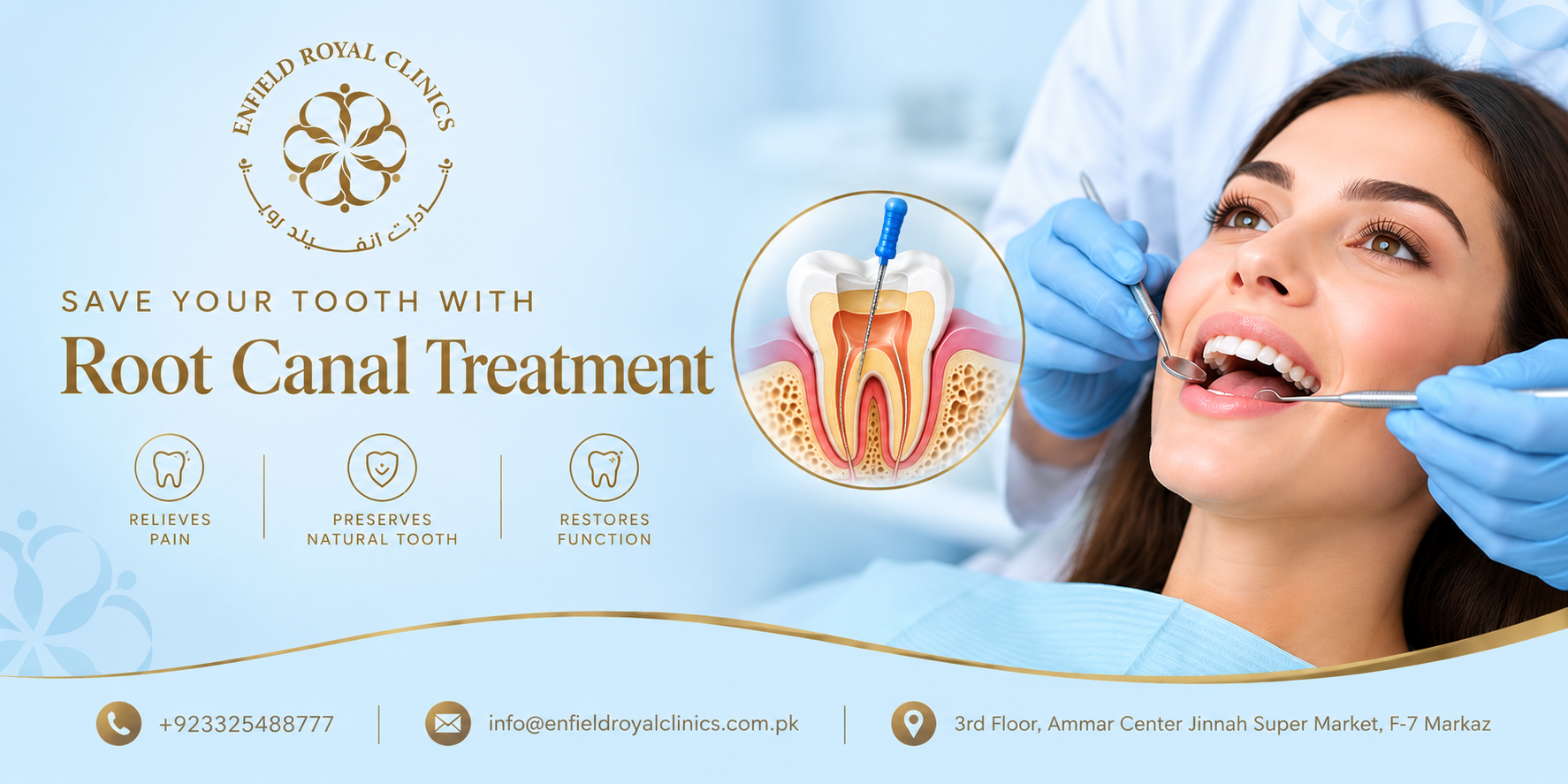
A toothache can begin with mild sensitivity and gradually develop into severe, persistent pain when bacteria reach the inner part of a tooth. This inner tissue, known as the dental pulp, contains nerves, blood vessels, and connective tissue that support tooth development. When deep decay, cracks, or dental injuries allow bacteria to enter the pulp, inflammation and infection can occur. Without appropriate treatment, the problem may spread to the tissues surrounding the root.
Root canal treatment is a dental procedure designed to remove infected or irreversibly damaged pulp while preserving the natural tooth. Instead of extracting the affected tooth, the dentist cleans and disinfects the root canals, seals them, and restores the tooth so it can continue functioning.
For patients exploring Root Canal Treatment in Islamabad, understanding how the procedure treats pulp infection can make the process less confusing. Knowing the causes, treatment steps, possible symptoms, and aftercare requirements also helps patients recognize when professional dental care is necessary.
What Is a Dental Pulp Infection?
The dental pulp is the soft tissue located inside the tooth beneath the enamel and dentin. It contains nerves and blood vessels that contribute to tooth development and provide sensory information. Although the outer layers protect the pulp, bacteria can reach it when that protective structure becomes damaged.
Deep tooth decay is one of the most common causes of pulp infection. As a cavity progresses through the enamel and dentin, bacteria can approach or enter the pulp chamber. A cracked tooth, a severe dental injury, or repeated dental procedures may also damage the pulp and allow bacteria to cause infection.
Pulp inflammation does not always mean that an infection has developed. In some cases, the pulp may recover if the irritation is mild and the underlying cause is treated promptly. However, when the pulp becomes irreversibly inflamed or infected, root canal treatment may be necessary to preserve the tooth.
Common symptoms include:
-
Persistent or throbbing tooth pain
-
Sensitivity to hot or cold temperatures that lingers
-
Pain when biting or chewing
-
Swelling or tenderness around the affected tooth
-
A pimple-like bump on the gums near the tooth
-
Darkening of the tooth in some cases
Not every pulp infection causes noticeable pain. Some infections develop gradually, so a dental examination is important even when symptoms are mild or absent.
How Does Root Canal Treatment Remove Pulp Infection?
Root canal treatment focuses on removing the damaged tissue and reducing the bacteria inside the tooth. The procedure involves several carefully planned steps to help control the infection and protect the remaining tooth structure.
1. Examination and diagnosis
The dentist first reviews the patient's symptoms and examines the affected tooth. Dental X-rays may be taken to assess the roots, surrounding bone, and possible signs of infection. Tests involving temperature or gentle pressure may also help determine the condition of the pulp.
This assessment helps establish whether root canal treatment is appropriate and whether the tooth can be restored successfully.
2. Numbing the affected area
Local anaesthesia is generally used to reduce discomfort during the procedure. The dentist may also isolate the tooth with a dental dam, which helps keep the treatment area clean and limits contamination from saliva.
3. Accessing the pulp chamber
A small opening is made in the tooth to reach the pulp chamber and root canals. The dentist carefully removes the infected or irreversibly damaged pulp tissue from inside the tooth.
4. Cleaning and disinfecting the canals
Specialized instruments are used to clean and shape the canals. Irrigating solutions help flush away debris and reduce bacteria in areas that instruments may not reach easily. Thorough cleaning is important because root canals can contain narrow spaces, curves, and branches.
5. Filling and sealing the canals
After cleaning and disinfection, the canals are filled with a suitable dental material and sealed. This helps prevent bacteria from re-entering the treated space.
6. Restoring the tooth
The access opening is closed with a filling, and a crown may be recommended if the tooth needs additional strength and protection. The appropriate restoration depends on the tooth's location, the extent of damage, and the amount of healthy structure remaining.
For people considering Root Canal Treatment in Islamabad, these steps explain how the procedure targets the source of the infection while aiming to retain the natural tooth.
Can Root Canal Treatment Stop the Infection From Spreading?
Yes, root canal treatment can help control a pulp infection and prevent further damage when the infected tissue is adequately removed, the canals are cleaned and sealed, and the tooth is restored properly.
If an infection remains untreated, bacteria may move beyond the root tip into the surrounding tissues. This can cause inflammation around the root and may lead to a dental abscess, which is a collection of pus associated with infection. An abscess can cause swelling, tenderness, pain, and sometimes fever.
By treating the infected pulp, root canal therapy removes the primary source of bacteria inside the tooth. However, the outcome depends on the extent of the infection and the condition of the surrounding tissues. Some cases may require additional treatment, and a tooth that cannot be restored may need extraction.
Antibiotics are not routinely required for every pulp infection. They do not remove infected pulp or replace necessary dental treatment. A dentist may prescribe them when there are specific signs of spreading infection or other clinical reasons.
Increasing facial swelling, fever, or worsening symptoms require urgent dental assessment. Difficulty breathing or swallowing, particularly when accompanied by swelling of the face or neck, requires emergency medical care.
What Are the Benefits of Treating Pulp Infection Early?
Prompt treatment can protect both the affected tooth and the surrounding oral tissues. When pulp damage is identified early, the dentist can assess whether the tooth can be saved before the infection causes more extensive complications.
One important benefit is pain relief. Removing the infected or irreversibly inflamed pulp addresses a major source of toothache. Some tenderness may continue temporarily after treatment, but it should generally improve as the surrounding tissues recover.
Another benefit is preserving the natural tooth. Keeping a natural tooth can help maintain normal chewing function and reduce the need for extraction and possible tooth replacement. It also helps preserve the natural arrangement of the surrounding teeth.
Early treatment may also reduce the likelihood of a more extensive infection. Although no procedure can guarantee that complications will never occur, treating the source of the problem can limit further damage.
Patients should not assume that severe tooth pain will disappear permanently with painkillers alone. Pain relief medication may reduce discomfort temporarily, but it does not eliminate infected pulp. A dental examination is necessary to identify the cause and determine the right treatment.
What Should Patients Expect After Root Canal Treatment?
After root canal treatment, mild soreness or tenderness around the tooth may occur for several days. This is often related to inflammation in the tissues surrounding the root, particularly when the tooth was infected before treatment.
The dentist may recommend suitable pain relief based on the patient's medical history. Patients should follow the provided instructions and avoid putting excessive pressure on the treated tooth until the final restoration is completed.
A temporary filling may be placed when further treatment or a separate restoration appointment is needed. It is important to attend the recommended follow-up visit because a temporary filling is not intended to provide long-term protection.
A permanent filling or crown helps seal and protect the tooth. Back teeth may require crowns more frequently because they experience substantial chewing forces, especially when much of the original tooth structure has been lost.
Patients should contact their dentist if pain becomes severe, swelling increases, the bite feels uneven, or symptoms fail to improve as expected. A previously treated tooth can sometimes develop a new cavity, a crack, or a recurring infection, so ongoing care remains important.
How Can Patients Protect a Tooth After Pulp Infection Treatment?
Good oral hygiene and regular dental care help protect a treated tooth from future problems. Root canal treatment removes the affected pulp, but it does not make the tooth immune to decay or fracture.
Patients can support long-term results by following these measures:
-
Brush twice daily: Fluoride toothpaste helps protect the remaining natural tooth structure from decay.
-
Clean between the teeth: Daily flossing or another suitable interdental cleaning method helps remove plaque from areas a toothbrush may miss.
-
Complete the final restoration: Delaying a recommended filling or crown can increase the risk of contamination and fracture.
-
Avoid chewing hard objects: Ice, hard sweets, and similar items can damage teeth and restorations.
-
Attend routine checkups: Dental visits help identify new cavities, damaged restorations, and other concerns before they worsen.
For those seeking Root Canal Treatment in Islamabad, early diagnosis, appropriate treatment, and consistent aftercare are important parts of preserving a natural tooth. A dentist can explain the expected benefits, potential risks, and restoration options according to the patient's specific condition.
Frequently Asked Questions
1. Does root canal treatment completely remove pulp infection?
The procedure removes infected or irreversibly damaged pulp and cleans and disinfects the root canals. Successful treatment reduces the source of infection, although additional treatment may occasionally be needed if bacteria persist or infection returns.
2. Is root canal treatment painful?
Local anaesthesia is used to help keep the patient comfortable during the procedure. Mild soreness or tenderness may occur afterward, but severe or worsening pain should be assessed by a dentist.
3. Can a pulp infection heal without root canal treatment?
Mild pulp inflammation may sometimes recover when the underlying cause is treated. However, an irreversibly inflamed or infected pulp generally cannot heal on its own. A dentist must evaluate the tooth to determine the appropriate treatment.
4. How can someone tell if a pulp infection is spreading?
Worsening pain, gum or facial swelling, pus, fever, or increasing tenderness may indicate a more serious infection. Urgent dental assessment is important. Difficulty breathing or swallowing requires emergency medical care.

 English
 French
 Spanish
 Portuguese
 Deutsch
 Turkish
 Dutch
Dutch
 Italiano
 Russian
 Romaian
 Portuguese (Brazil)
 Greek
Greek
