

How Can Smart Home Systems Improve Home Security?
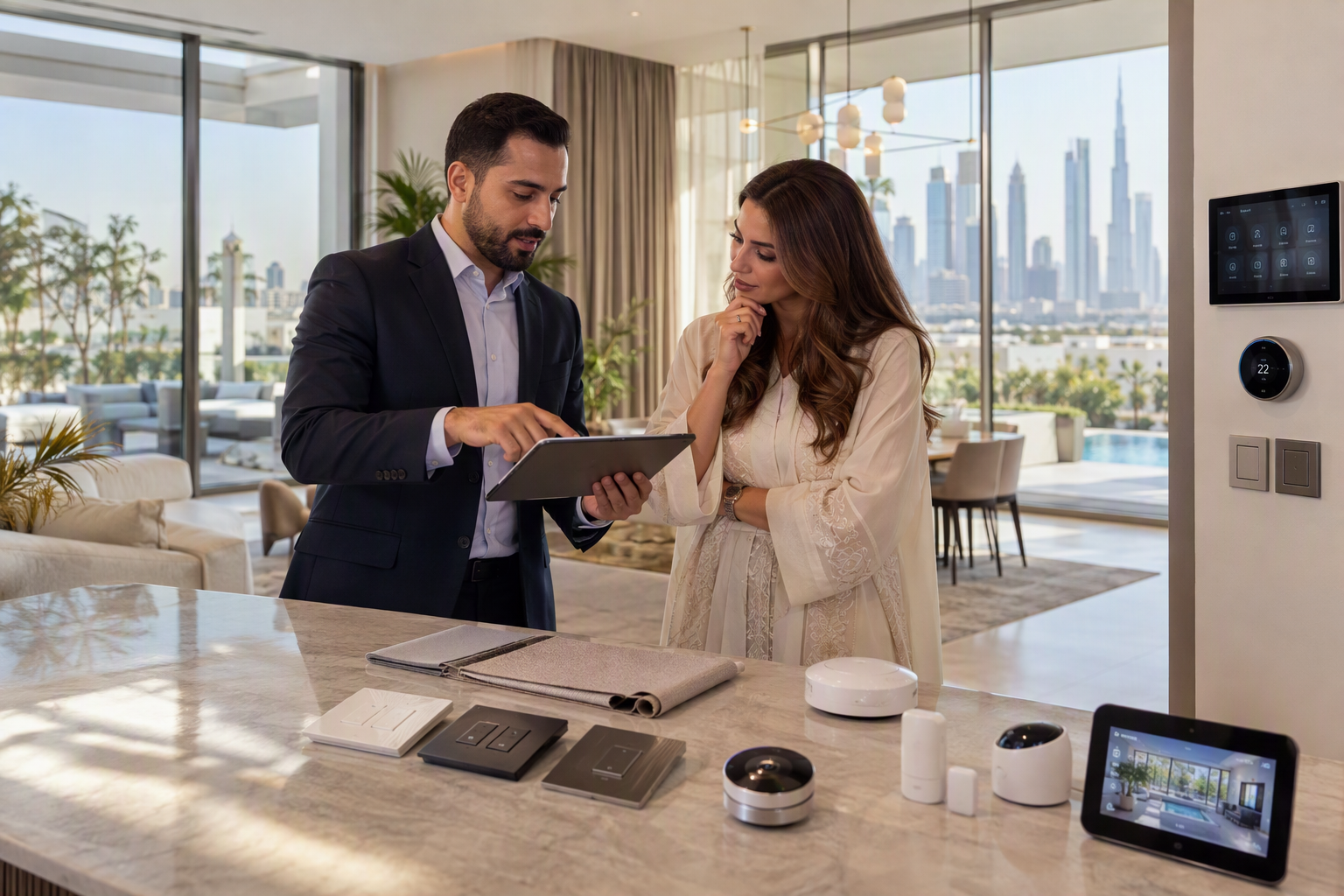
Smart home Dubai systems can help homeowners manage home security with connected devices such as smart cameras, door sensors, motion detectors, and smart locks. These devices allow people to check their homes, receive alerts, and control selected security features through a mobile phone. They can be useful for apartments, villas, and other residential properties. Understanding how these systems work helps homeowners choose suitable security features for their needs.
1. Monitor Your Home with Smart Cameras
Smart cameras allow homeowners to view selected areas of their property through a mobile app. Depending on the camera model and system setup, users may be able to watch live video, review recorded footage, and receive alerts when movement is detected.
For example, a camera near the main entrance can help homeowners check who is at the door. Outdoor cameras can also cover driveways, gardens, and other important areas around a property.
Camera placement is important. Homeowners should choose positions that provide a clear view of entrances without unnecessarily recording neighbours or private areas. They should also check video storage options, image quality, and internet requirements before installing cameras.
2. Receive Alerts from Motion Sensors
Motion sensors can detect movement in selected areas and send alerts to a connected device. They are often placed near entrances, hallways, garages, or other areas that need extra attention.
When a sensor detects movement, it may trigger a mobile notification, activate a light, or start another programmed action. The exact features depend on the system and the devices connected to it.
For example, a homeowner who is away can receive an alert if movement is detected in a monitored area. However, pets, changing light conditions, or incorrect sensor placement may cause unwanted alerts. Proper installation and suitable settings help reduce these problems.
3. Use Smart Locks for Better Door Control
Smart locks provide different ways to secure and access a home. Depending on the model, they may support PIN codes, mobile apps, fingerprints, or other access methods.
These locks can be useful when family members need access at different times. Some models also allow homeowners to create temporary access codes for visitors or service workers.
Before choosing a smart lock, check whether it fits the existing door and locking mechanism. It is also important to understand how the lock works during a power or internet failure. A suitable backup method can help prevent access problems when the connected features are unavailable.
4. Improve Security with Smart Lighting
Smart lighting can support home security by allowing lights to turn on automatically at selected times or when motion is detected. This can help illuminate entrances, pathways, and outdoor areas around a property.
For example, an outdoor light can turn on when someone approaches the entrance at night. Indoor lights may also follow a schedule while the homeowner is away.
Lighting automation does not replace cameras, alarms, or physical locks. However, it can improve visibility around important areas and make it easier to notice activity near entrances. Homeowners should select suitable outdoor lights that can handle local weather conditions.
5. Connect Security Devices in One System
One useful feature of a connected home is the ability to manage different security devices through a central app or control panel. Instead of checking each device separately, homeowners may be able to monitor cameras, sensors, locks, and lights from one place.
Connected devices can also work together through automated actions. For example, opening the main door with an approved access method may turn on selected indoor lights. A motion sensor may activate outdoor lighting when movement is detected.
The available functions depend on device compatibility and system configuration. Before installation, homeowners should check whether the devices can communicate with each other and whether the system supports future additions.
6. Check Your Home While You Are Away
Remote monitoring can help homeowners stay informed when they are travelling or spending time outside the property. Using an internet connection, they may be able to view camera footage, check sensor activity, and receive security alerts on their phones.
This can be helpful for people who leave their homes empty for several days. However, remote access depends on the system, internet connection, power supply, and mobile app.
Homeowners should also use strong passwords, enable two-factor authentication where available, and keep device software updated. These steps help protect connected security devices from unauthorised access.
7. Protect Your Privacy and Personal Data
Smart security devices collect information that may include video recordings, access history, and activity alerts. Homeowners should understand how this information is stored and who can access it.
Choose devices with clear privacy settings and secure account controls. Change default passwords and avoid sharing account access with people who do not need it. Where possible, use secure Wi-Fi settings and install software updates when they become available.
It is also important to review camera locations and recording settings regularly. Good security should protect the home while respecting the privacy of family members, visitors, and neighbours.
When planning Smart home Dubai security features, homeowners should consider the property's layout, daily routines, privacy needs, and the devices they want to connect. Choosing compatible equipment, setting up useful alerts, and maintaining the system can help improve awareness of activity around the home and support a more organised approach to residential security.

 English
 Arabic
 French
 Portuguese
 Deutsch
 Turkish
 Dutch
Dutch
 Italiano
 Russian
 Romaian
 Portuguese (Brazil)
 Greek
Greek
