

Female Hair Transplant in Dubai After Pregnancy-Related Hair Loss
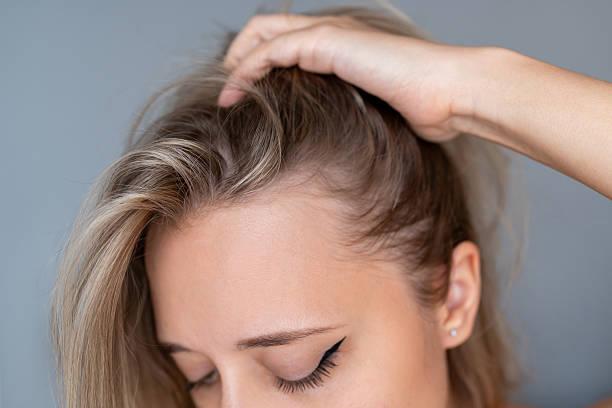
Female Hair Transplant in Dubai may interest women who notice persistent changes in hair density after pregnancy. However, postpartum hair shedding is often temporary, so understanding the cause and allowing time for recovery are important before considering a surgical hair restoration procedure.
Pregnancy-related changes in the hair cycle can make shedding more noticeable in the months after childbirth. For some women, density gradually improves; others may have an underlying hair-loss condition that becomes more apparent during this period. At Tajmeels Clinic, an individualized assessment can help clarify whether restoration surgery is appropriate or whether another approach should be explored first.
Why Hair Shedding Can Increase After Pregnancy
Hair grows through repeating phases, including active growth, transition, and resting before shedding. Hormonal changes during and after pregnancy can affect the timing of these phases.
During pregnancy, some women experience less shedding than usual. Following childbirth, a larger proportion of hairs may enter the shedding phase around a similar time. This can create the impression of sudden thinning across the scalp.
Postpartum shedding often becomes noticeable several months after delivery. The duration and degree of shedding vary, and recovery is not identical for everyone.
Common signs include:
-
More loose hair when washing or brushing.
-
Reduced fullness in a ponytail.
-
General thinning rather than a single bald patch.
-
Increased hair around the shower drain or on clothing.
-
Temporary changes in the appearance of the hairline.
These symptoms do not automatically indicate permanent follicle damage. The pattern, timeline, and any accompanying symptoms should be considered before treatment is selected.
When Postpartum Hair Loss Needs Medical Assessment
Although postpartum shedding is common, persistent or unusual hair loss should not automatically be attributed to childbirth. Other factors may contribute, including iron deficiency, thyroid changes, nutritional concerns, medication effects, or female pattern hair loss.
A clinician may ask about the timing of shedding, pregnancy and delivery history, dietary changes, medications, and other symptoms. Depending on the findings, blood tests or further medical evaluation may be recommended.
Seek assessment if the hair loss is severe, continues without improvement, develops into distinct patches, or occurs alongside scalp pain, redness, scaling, or other unusual symptoms.
Correctly identifying the cause matters because the appropriate treatment for temporary shedding may be different from the treatment for established, permanent hair loss.
Is Female Hair Transplant in Dubai Appropriate After Pregnancy?
A hair transplant is generally considered only after the cause and pattern of hair loss have been assessed. When shedding is temporary and follicles remain capable of producing hair, surgery may offer little benefit compared with appropriate observation and medical management.
A clinician may consider several factors before recommending a transplant.
Stability of Hair Loss
The pattern should be evaluated to determine whether the hair loss has stabilized. Operating while significant shedding is ongoing can make it harder to predict the appearance of the recipient area and surrounding hair.
Donor Hair Quality
Hair at the back and sides of the scalp is assessed for density and suitability. A transplant moves existing follicles rather than creating new ones, so the donor supply places a limit on the potential coverage.
Existing Hair Density
When thinning affects a broad area, the clinician must consider whether transplantation can improve coverage without placing existing follicles at unnecessary risk. Diffuse thinning may require a different strategy from a clearly defined area of permanent hair loss.
Pregnancy, Breastfeeding, and Treatment Timing
The timing of surgery and any associated medications should be discussed with a qualified clinician, particularly during breastfeeding or when another pregnancy is planned. Medical advice should account for the patient's current circumstances and the safety requirements of the proposed treatment.
There is no single timeline that establishes suitability for every woman. The decision should be based on clinical findings rather than a fixed number of months after delivery.
Supporting Hair Health While Recovery Continues
If postpartum shedding is suspected, the initial priority may be to support recovery and identify any treatable contributors.
Useful steps to discuss with a clinician include:
-
Maintaining a balanced diet with adequate protein and essential nutrients.
-
Investigating suspected deficiencies rather than taking supplements indiscriminately.
-
Avoiding tight hairstyles that place traction on the hairline.
-
Reducing unnecessary heat and harsh chemical treatments when breakage is a concern.
-
Reviewing persistent shedding with a healthcare professional.
These measures cannot guarantee faster regrowth, but they can help address avoidable sources of damage and ensure that medical contributors are not overlooked.
Hair supplements and topical products should not be assumed to treat every cause of postpartum hair loss. Some products or medicines may require special consideration during breastfeeding, so professional advice is important.
Distinguishing Temporary Shedding From Female Pattern Hair Loss
Pregnancy and the postpartum period may draw attention to thinning that existed before pregnancy but was less noticeable. Female pattern hair loss can involve gradual thinning around the central scalp, a widening part, or reduced overall density.
The two conditions may also occur together. A clinician can assess the distribution of thinning, medical history, and scalp findings to determine whether further investigation is appropriate.
This distinction affects treatment planning. Temporary shedding may improve as the hair cycle recovers, while ongoing pattern-related hair loss may need longer-term management. Transplantation is not a universal solution for either condition and must be considered individually.
What to Expect From a Hair Restoration Consultation
A consultation should explain the likely cause of the hair changes, the need for any additional investigations, and the available treatment options.
Before attending, consider noting when shedding began, whether it is improving, and whether you experienced similar changes before pregnancy. Bring details of current medications and supplements, any relevant blood-test results, and information about breastfeeding or future pregnancy plans.
Ask the clinician to explain whether surgery is appropriate now, whether waiting or treating an underlying cause would be more suitable, and how future hair loss could affect the outcome.
Why Consider Tajmeels Clinic
Tajmeels Clinic provides consultations for women exploring hair restoration options in Dubai. For postpartum hair concerns, the priority is to understand the pattern of shedding, identify possible medical contributors, and avoid recommending surgery when a less invasive approach may be more appropriate.
Patients should receive clear information about treatment suitability, possible risks, realistic expectations, and follow-up requirements. Ask which qualified practitioner would assess your case and who would perform and supervise any proposed procedure.
Learn more about Female Hair Transplant in Dubai or visit Tajmeels Clinic.
Frequently Asked Questions
Is postpartum hair loss permanent?
Postpartum shedding is often temporary, and density may improve over time. Persistent or unusual thinning should be assessed to check for other causes.
Should I get a hair transplant immediately after pregnancy?
Not without an individual assessment. The clinician should establish the cause of hair loss, determine whether it has stabilized, and consider breastfeeding, medications, and other relevant factors.
Can breastfeeding affect hair restoration planning?
Breastfeeding may influence the timing of surgery and the suitability of medicines used around treatment. Discuss your circumstances with the treating clinician before making a decision.
What if my hair does not regain its previous density?
Persistent thinning may warrant an assessment for female pattern hair loss, nutritional deficiencies, thyroid problems, or other contributors. The appropriate treatment depends on the findings.
Clinic note: Postpartum hair changes have several possible explanations. This article is educational and does not replace individual medical advice or establish suitability for surgery.
Arrange a Personalized Hair Restoration Consultation
If your hair density has changed after pregnancy, begin by understanding why it happened before choosing a treatment. Tajmeels Clinic can help you discuss your concerns and explore appropriate next steps.

 English
 Arabic
 French
 Spanish
 Portuguese
 Turkish
 Dutch
Dutch
 Italiano
 Russian
 Romaian
 Portuguese (Brazil)
 Greek
Greek
