

Ultherapy Treatment in Dubai for Brow Lifting
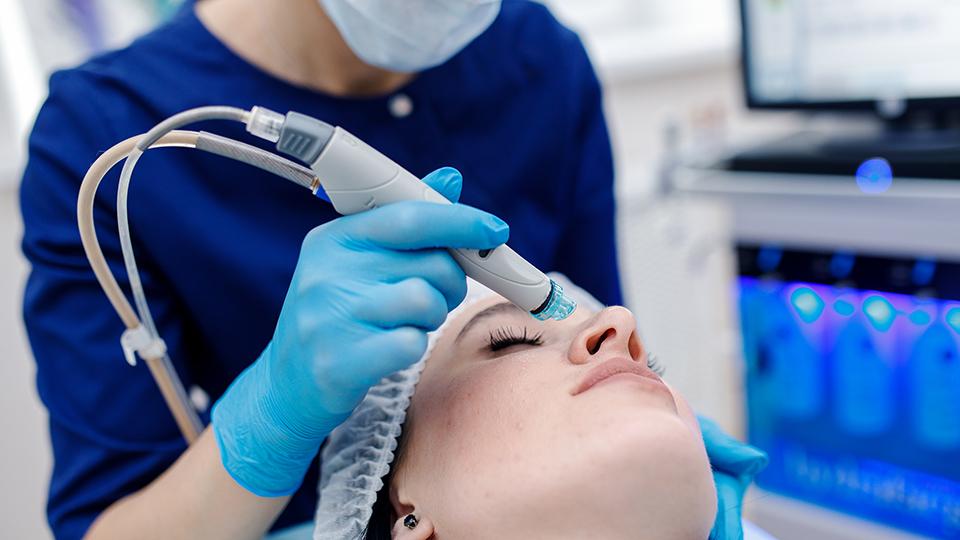
The position of the eyebrows can influence the overall expression of the face. Over time, changes in skin elasticity and supporting tissues may contribute to a heavier-looking brow or a less open appearance around the eyes. Ultherapy Treatment in Dubai is a non-surgical option that uses focused ultrasound energy to stimulate collagen remodelling and may provide a subtle lifting effect in suitable individuals.
Unlike brow lift surgery, Ultherapy does not involve incisions or physically repositioning tissue through an operation. Its effects are generally more modest, and outcomes depend on individual anatomy and the degree of brow descent. Understanding what the treatment can realistically achieve is important before deciding whether it suits your goals.
How Ultherapy Treatment in Dubai May Support Brow Lifting
Ultherapy delivers focused ultrasound energy to selected tissue layers beneath the skin. The controlled thermal stimulation encourages a collagen-related response that may gradually improve firmness and support a subtle lifting effect in the treated area.
For suitable individuals, this may make the brow area appear slightly more elevated or refreshed. However, the treatment does not directly move the eyebrow into a new position in the way a surgical procedure can.
Improving the Appearance of a Heavy Brow
A heavy-looking brow can develop for several reasons, including changes in skin elasticity, natural facial anatomy, and age-related tissue changes. When mild skin laxity contributes to the appearance, ultrasound-based treatment may be worth discussing.
If the heaviness is mainly caused by pronounced tissue descent or excess skin, the result may be limited. A professional assessment helps distinguish between concerns that may respond to skin tightening and those that require a different approach.
Supporting a More Open Eye-Area Appearance
The brow influences how much space appears between the eyebrow and the upper eyelid. A subtle change in brow position may affect the overall appearance of this area, but results vary.
Ultherapy is not a treatment for every concern involving the eyelids. Excess upper-eyelid skin, eyelid drooping, and brow descent are different issues and may need different forms of assessment.
What Can Cause the Brow to Look Lower?
Changes in brow position are often influenced by several factors. Natural ageing can affect skin elasticity and tissue support, while genetics determine much of a person's underlying brow shape.
Facial movement and individual anatomy also influence how the forehead and eye area appear. Some people naturally have lower-set brows without having a medical or age-related problem.
Identifying the cause matters because skin tightening cannot correct every structural or functional concern around the eyes.
Who May Consider a Non-Surgical Brow Lift?
Ultherapy may be considered by adults who have mild brow-area skin laxity and prefer a non-surgical approach. It may appeal to those seeking a subtle improvement rather than a dramatic change in eyebrow position.
It may be less suitable for people with substantial brow descent, significant excess eyelid skin, or expectations of a surgical-level lift. People experiencing visual obstruction or a functional eyelid problem should seek an appropriate medical assessment rather than relying on a cosmetic treatment alone.
A qualified professional should review the individual's anatomy, medical history, treatment goals, and possible alternatives before recommending the procedure.
What Happens During the Procedure?
Treatment usually begins with an assessment of the brow and surrounding facial structures. The intended outcome, possible limitations, and potential side effects should be discussed before the session.
The skin is prepared, and ultrasound gel may be applied. A handheld device then delivers focused energy to selected areas according to the treatment plan. Sensations may include warmth, tingling, or brief discomfort.
The session length depends on the area being treated and the specific plan. Because the brow and eye area require careful attention to anatomy, treatment should be performed by a suitably trained professional using appropriate equipment and authorised treatment protocols.
When Can Brow-Lifting Results Be Seen?
Ultherapy encourages a gradual biological response, so any visible lifting effect may take weeks to develop. Some individuals notice changes over the following two to three months, although the degree of improvement varies.
The final appearance depends on the original brow position, skin condition, treatment technique, and individual response. A subtle change may be more realistic than a dramatic elevation.
Photographs taken under similar lighting and with a relaxed facial expression can help track progress. Avoid judging results solely by comparing your appearance with photographs taken under different conditions.
Recovery and Possible Side Effects
Ultherapy generally involves less downtime than brow lift surgery, but temporary side effects can occur. These may include redness, swelling, tenderness, bruising, or sensitivity. Some people experience temporary tingling or altered sensation.
Follow the aftercare guidance provided and avoid rubbing or applying unnecessary pressure to the treated area if it feels tender.
Seek prompt medical assessment if you develop severe or worsening pain, new muscle weakness, significant changes in skin appearance, or unexpected eye-related symptoms. Non-surgical treatment should never be considered entirely risk-free.
Ultherapy Compared With Brow Lift Surgery
Ultherapy and surgical brow lifting differ in their methods and expected results. Ultherapy stimulates collagen remodelling without incisions, while surgery can physically reposition brow tissues to create a more substantial change.
A non-surgical option may suit someone seeking a modest improvement with limited downtime. Surgery may be discussed when brow descent is more pronounced, but it involves operative risks and a longer recovery process.
The choice depends on the desired degree of elevation, anatomy, medical suitability, and personal preferences. A realistic discussion of benefits and limitations is more useful than assuming either treatment is suitable for everyone.
Conclusion
Ultherapy may offer a subtle, non-surgical option for selected individuals who want to improve the appearance of mild brow-area laxity. Its effects are gradual and generally more modest than those of surgical brow lifting, and it cannot correct every eyelid or brow concern. An individual assessment is essential to determine whether the treatment matches your goals and anatomy. For people researching Ultherapy Treatment in Dubai, TAJMEELS CLINIC can be a starting point for discussing brow-lifting options, expected outcomes, and treatment safety.
For More Details, Contact Us Through:
WhatsApp: +971 56 203 8751
Phone: +971 4 373 9000
Social Media:

 English
 Arabic
 French
 Portuguese
 Deutsch
 Turkish
 Dutch
Dutch
 Italiano
 Russian
 Romaian
 Portuguese (Brazil)
 Greek
Greek
