

Diwali 2026: Auspicious Lakshmi Puja Timings, Rituals, and Spiritual Significance
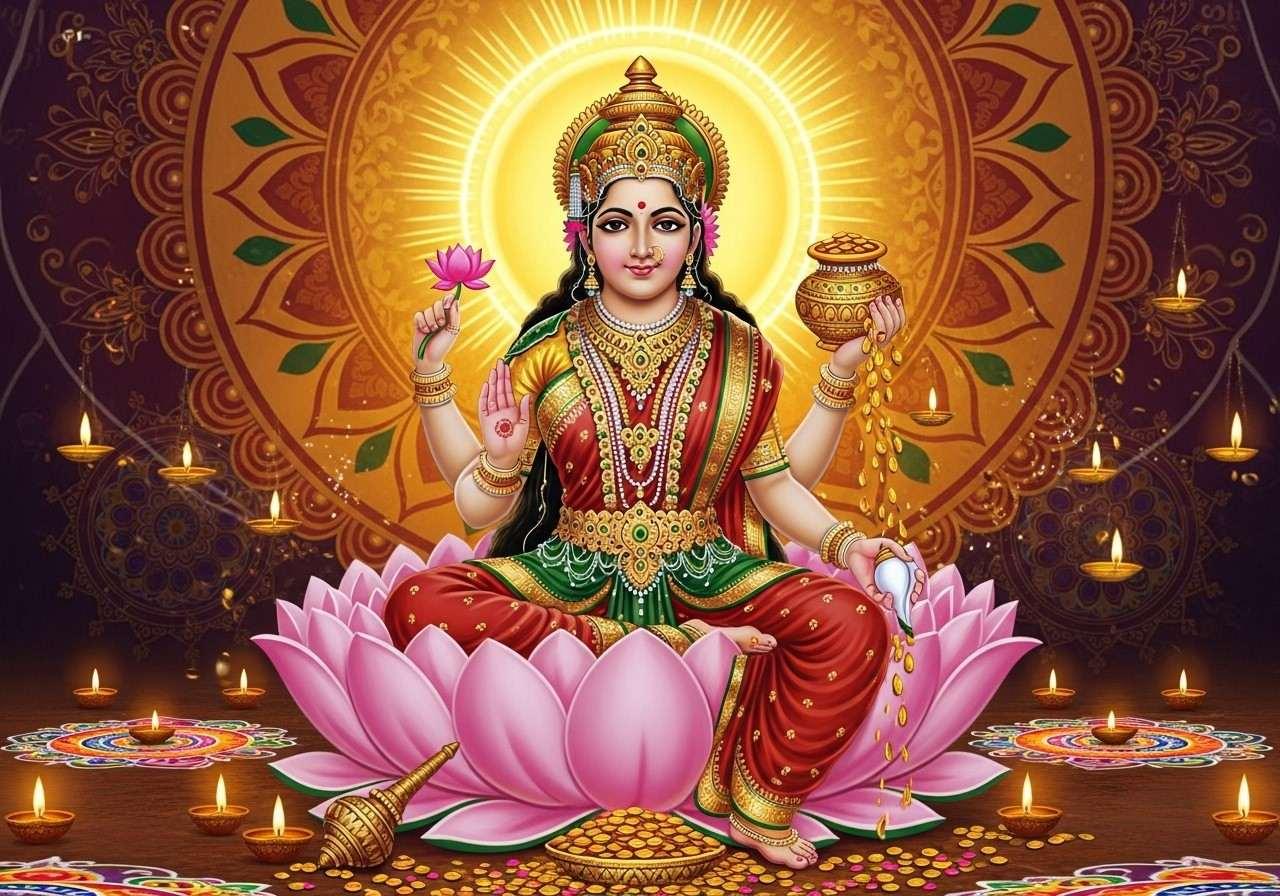
Explore the complete guide to Diwali 2026, including precise Lakshmi Puja auspicious timings, step-by-step rituals, mythological stories, and the spiritual essence of traditional Hindu festivals.
In the tapestry of Indian culture, the celebration of traditional Hindu Festivals holds a sacred place. These occasions bring families together, mark seasonal transitions, and reinvigorate spiritual connections through ancient traditions, fasts (vrats), and grand community worship. Among these cherished observances, none shines brighter than Deepawali, the legendary festival of lights that transforms homes with radiant oil lamps, vibrant floral entrance decor, and heartfelt prayers.
Understanding the Significance of Diwali 2026
In 2026, the central celebration of Diwali 2026 falls on Sunday, November 8, 2026, coinciding with the sacred Amavasya (New Moon) tithi of the Kartik month. Deepawali commemorates the victory of light over darkness, knowledge over ignorance, and righteousness over injustice.
Beyond external festivities like illuminating clay diyas and sharing traditional sweets, the core spiritual intent is to cleanse inner thoughts, cultivate gratitude, and invite divine blessings into the household.
|
Event Details |
Information |
|
Primary Festival Date |
Sunday, November 8, 2026 |
|
Lunar Tithi |
Kartik Amavasya |
|
Primary Deities |
Goddess Lakshmi & Lord Ganesha |
|
Optimal Puja Period |
Pradosh Kaal (Sthir Lagna) |
Sacred Lakshmi Puja Rituals and Auspicious Timings
The central highlight of Deepawali night is performing the Lakshmi Puja. Priests and Vedic scholars emphasize conducting this ceremony during Pradosh Kaal—the period immediately following sunset when a fixed astrological sign (Sthir Lagna) prevails. It is believed that worshipping Goddess Lakshmi during this stable period encourages lasting prosperity, harmony, and financial well-being.
To perform the puja:
-
Purification and Altar Setup: Thoroughly clean the home and erect a raised wooden platform covered in clean red or yellow cloth facing east or north.
-
Installation of Deities: Place idols or images of Goddess Lakshmi alongside Lord Ganesha, who is always invoked first to remove all spiritual and physical obstacles.
-
Offerings: Offer fresh marigold flowers, akshat (unbroken rice grains), pure cow ghee lamps, fruits, sweets (kheer, laddoo), and puffed rice (kheel-batashe).
-
Mantras & Aarti: Recite sacred Lakshmi Mantras and conclude by singing the traditional Aarti in unison with family members.
Mythological Origins
The most famous mythological legend associated with Deepawali celebrates the return of Lord Rama, along with Sita Devi and Lakshmana, to Ayodhya after completing 14 years of forest exile and defeating the demon king Ravana. To welcome their beloved prince, the residents of Ayodhya lit thousands of earthen lamps throughout the city, establishing the eternal tradition of lighting lamps on Kartik Amavasya. Additionally, scriptures hold that Goddess Lakshmi emerged on this day during the churning of the cosmic ocean (Samudra Manthan), bestowing prosperity upon the universe.

 English
 Arabic
 French
 Spanish
 Portuguese
 Deutsch
 Turkish
 Dutch
Dutch
 Russian
 Romaian
 Portuguese (Brazil)
 Greek
Greek
