

Rust and Corrosion on Commercial Trucks: When Body Damage Becomes a Fleet Concern
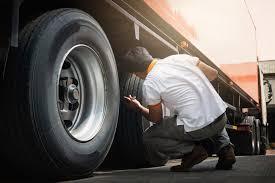
Rust may begin to develop on your commercial truck because of something insignificant such as a small scratch, chip, or dent in your truck body. This is because the metal, once exposed to the elements, will not stay in its state for long. As water and road conditions begin to affect your vehicle, this small issue may become a bigger problem in need of repair. Therefore, in the case of owner-operators and fleet managers, it is important that they consider this rust problem to be a maintenance issue and not a cosmetic one. Getting help with truck body repair in Orlando, FL, can help operators address corrosion before it creates more downtime, repair costs, or safety concerns.
How Rust Starts on Commercial Trucks
Commercial trucks remain out on the roads for prolonged periods of time and encounter several factors that can be harmful to the truck's exterior. Paint damage due to road debris, scratches from loading equipment, and collisions of any sort can all result in exposing the metal beneath the body panels.
This exposure of the bare metal is the result of any damage that the protective layer of paint can suffer. Corrosion may start setting in with time.
The climate in Florida can also be an important factor when it comes to moisture getting in contact with bare metal. Wet weather conditions require truck drivers to take notice of even small paint or metal damage areas.
What matters most to fleet managers is simple: it is better to take care of a small rust spot than to deal with corrosion.
Why Fleet Managers Should Pay Attention
A fleet manager has to think beyond today's repair bill. Each truck is an active asset, and the body damage can have an influence on its longevity.
As the rust spreads further, more complex repairs may be required. For example, what started as a surface repair can end up requiring replacement or refinishing of the panels and structures.
This can mean additional downtime for the vehicle, meaning that a large body repair can force the fleet to change its routes, move the load to another vehicle, or face schedule delays.
In the case of a smaller fleet, which uses just a few trucks, such loss is especially difficult. And this is why it is sensible to identify corrosion at an early stage.
Common Areas Where Corrosion Appears
Rust does not always develop in one obvious location. Fleet operators should pay attention to areas that receive frequent impact, moisture, or wear.
Common areas include:
-
Lower body panels
-
Wheel arches and fenders
-
Truck steps
-
Door edges
-
Cab panels
-
Bumpers
-
Trailer doors
-
Cargo body panels
-
Areas around previous body repairs
-
Exposed areas where paint has chipped away
The underside and less visible areas of a truck can also deserve attention. A truck may look fine from a distance while developing corrosion underneath or around damaged components.
Regular inspections make it easier to identify these problems before they become difficult to manage.
Small Paint Damage Can Become a Bigger Problem
A paint chip may not seem worth taking the truck out of service. An owner-operator working against a delivery schedule may be tempted to leave it alone.
However, the paint is part of the truck's protection against the environment. When that protective layer is damaged, the exposed surface can be affected by moisture and other road contaminants.
This does not mean every scratch requires a major repair. The right response depends on the size, location, and severity of the damage.
A technician can assess the area and determine whether it needs touch-up work, surface preparation, rust removal, panel repair, or more extensive body work.
Rust Can Affect More Than Appearance
It is easy to think of rust as a cosmetic problem because it is visible on the outside of the truck. But advanced corrosion can affect body components and, depending on the location and severity, may create safety or structural concerns.
For example, damaged panels, steps, mounts, or other body components may need more than simple sanding and repainting.
This is where a proper inspection matters. Instead of simply covering a rusty area with paint, the underlying condition should be checked first.
Epika Fleet offers commercial truck body repair services in Orlando that include rust removal, corrosion repair, collision repair, panel straightening, and paint repair.
When Should a Truck Be Checked?
There is no reason to wait until rust becomes obvious across a large section of the truck. A quick visual check during regular maintenance can help identify early warning signs.
Fleet managers should look for:
-
Bubbling or raised paint
-
Brown or orange discoloration
-
Peeling paint
-
Deep scratches
-
Exposed metal
-
Flaking around damaged areas
-
Rust near previous repairs
-
Panels that appear weakened or damaged
Drivers can also report these issues during their normal vehicle checks. They are often the people who notice new damage first because they see the truck every day.
The earlier a problem is reported, the easier it may be to plan the repair around the fleet's schedule.
Don't Paint Over Rust and Call It Fixed
One common mistake is treating the visible part of the problem without dealing with the underlying corrosion.
Simply painting over rust may improve the truck's appearance for a short time, but it does not necessarily address the damaged material underneath.
A proper repair may require removing the affected rust, preparing the surface, repairing or replacing damaged material, and then applying the appropriate finish.
This approach takes more work than simply covering the area, but it can provide a more dependable repair.
For operators looking for truck body repair in Orlando, FL, choosing a provider that handles both body damage and corrosion can make the process more straightforward.
How Corrosion Can Affect Fleet Costs
Fleet maintenance is always a balancing act. Operators need to control expenses without ignoring problems that can become more expensive later.
Rust is a good example. Delaying a small repair may save money today, but if corrosion spreads, the eventual repair may require more parts, labor, and downtime.
There can also be indirect costs. If the truck stays in a repair facility longer, the operator may need to rearrange deliveries or use another vehicle.
Epika Fleet takes a fleet-focused approach to truck body repairs, with an emphasis on turnaround and keeping commercial vehicles road-ready. Its Orlando services cover semi-trailers, and other commercial trucks.
Make Rust Checks Part of Fleet Maintenance
The best way to stay ahead of corrosion is to make exterior checks part of the normal maintenance process.
During scheduled maintenance, fleet teams can look for new scratches, dents, paint failure, and corrosion. Any damage can then be documented and scheduled for repair based on its severity.
Keeping records can also help identify repeat problems. If the same area continues to develop damage, the fleet manager can investigate whether the truck needs a different repair or additional protection.
Epika Fleet also provides broader commercial truck repair and maintenance support, including preventive maintenance, inspections, and repairs.
Keep Small Body Problems From Becoming Fleet Problems
Rust and corrosion are easy to ignore when a truck is busy hauling loads. But once damaged paint exposes metal, the condition can continue getting worse if it is left untreated.
For fleet managers and owner-operators, the goal is not to make every truck look perfect. It is to keep working vehicles safe, reliable, and in usable condition without creating unnecessary downtime.
If corrosion or exterior damage needs professional attention, truck body repair in Orlando, FL, can help address the problem before it grows into a larger repair. Epika Fleet provides rust removal, corrosion repair, collision bodywork, paint repair, and other commercial truck body services to help fleets get damaged vehicles back on the road.
A small rust spot may not stop a truck today, but dealing with it early can help keep a minor body issue from becoming a bigger fleet concern tomorrow.

 Arabic
 French
 Spanish
 Portuguese
 Deutsch
 Turkish
 Dutch
Dutch
 Italiano
 Russian
 Romaian
 Portuguese (Brazil)
 Greek
Greek
