

Neck Lift Surgery in Dubai: Surgical Techniques
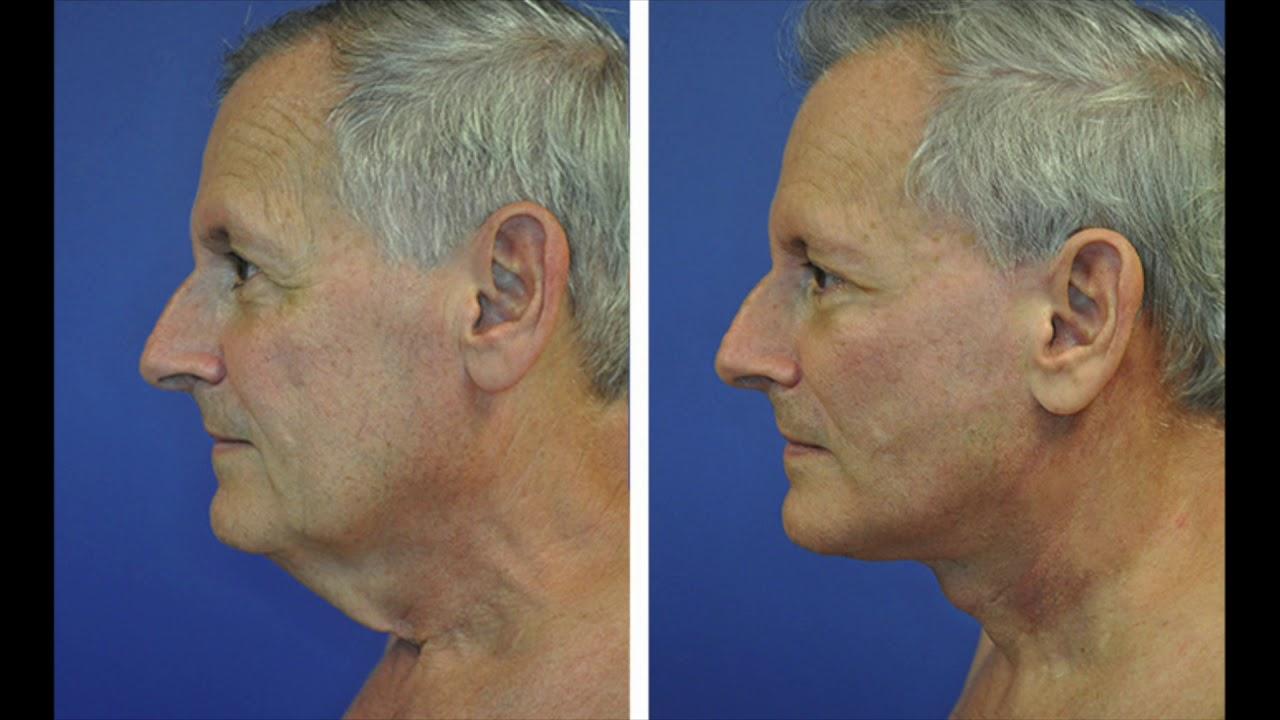
Neck aging can involve more than loose skin. Changes in the underlying muscles, excess fat beneath the chin, and reduced tissue elasticity may all contribute to an undefined neck profile. Neck Lift surgery in Dubai offers a surgical approach to addressing these concerns, with the technique selected according to each person's anatomy and desired improvements.
Understanding the available surgical methods can help patients prepare for a consultation and ask informed questions. The appropriate approach depends on whether the main concern is skin laxity, prominent muscle bands, fullness beneath the chin, or a combination of these factors.
How Surgeons Select a Neck Lift Technique
Before recommending a procedure, a qualified plastic surgeon assesses the neck's skin quality, muscle structure, fat distribution, and relationship to the jawline. Medical history, previous procedures, and personal expectations are also considered.
Some patients need a limited correction, while others may require a more comprehensive procedure. The aim is to choose an approach that addresses the underlying cause of the concern rather than relying on the same technique for everyone.
A consultation should also explain the expected improvement, incision locations, anesthesia, recovery requirements, possible complications, and alternative treatments.
Common Surgical Techniques for Neck Lift Surgery in Dubai
Skin Excision and Tightening
When excess skin is the primary concern, a surgeon may remove the redundant tissue and reposition the remaining skin to create a smoother contour. Incisions are commonly planned around the ears and may extend into the hairline, depending on the technique.
Careful incision placement can help make scars less noticeable, although scars do not disappear completely. Their appearance depends on surgical technique, individual healing, and postoperative care.
Skin removal alone may not adequately address prominent neck muscles or deeper structural changes. The surgical plan should therefore reflect the full assessment rather than focusing only on the visible skin.
Platysma Muscle Tightening
The platysma is a broad, thin muscle that extends across the front of the neck. With age, its inner edges may separate or become more prominent, creating vertical bands.
When appropriate, the surgeon may adjust and tighten the muscle to improve support and refine the central neck contour. This technique may be combined with skin removal to address both underlying muscle changes and loose skin.
Muscle tightening is not necessary for every patient. Its suitability depends on the pattern of muscle bands, neck anatomy, and the improvement being sought.
Submental Fat Removal
Some people have persistent fullness beneath the chin that affects the angle between the chin and neck. If excess localized fat is a significant factor, the surgeon may consider removing or adjusting it as part of the overall treatment plan.
Fat removal is not a substitute for correcting substantial loose skin or muscle laxity. In some cases, removing too much fat can create an uneven or less natural appearance, so careful assessment is essential.
Combined Neck and Lower-Face Surgery
Neck aging sometimes occurs alongside sagging around the lower cheeks and jawline. When both areas are concerns, a surgeon may discuss combining a neck lift with a lower facelift.
This combined approach can address related changes across the lower face and neck. However, additional surgery may increase complexity and recovery requirements. The benefits and risks of combining procedures should be evaluated individually.
Where Are the Incisions Placed?
Incision placement depends on the technique and the areas being treated. Many neck lift procedures use incisions around the ears, where scars can often be positioned within natural creases or near the hairline. An additional incision beneath the chin may be used when access to the central neck is needed.
Although surgeons plan incisions to reduce their visibility, healing varies from person to person. Some scars may remain more noticeable, and changes in pigmentation or scar thickness can occur. Patients should ask how scars are expected to mature and how to care for them after surgery.
Traditional Neck Lift and Limited Techniques
A more extensive neck lift may be appropriate when significant skin excess, muscle changes, and reduced neck definition occur together. A limited approach may be considered for selected patients with more localized concerns.
The difference is not simply the length of the incision. The amount of tissue adjustment, the structures addressed, and the degree of correction can vary. A limited procedure may not provide the same improvement as a more comprehensive operation when extensive laxity is present.
The surgeon should explain which technique best matches the patient's anatomy and why other options may be less suitable.
Recovery After Different Neck Lift Techniques
Recovery depends on the extent of surgery and individual healing. Swelling, bruising, tightness, temporary numbness, and discomfort can occur after a neck lift. More extensive procedures may require a longer recovery period than limited approaches, although experiences vary.
Patients should follow instructions about wound care, activity restrictions, sleeping position, and follow-up appointments. Strenuous exercise should be avoided until the surgical team confirms that it is safe to resume.
Rapidly increasing swelling, significant bleeding, fever, severe or worsening pain, or other unexpected symptoms require prompt medical attention. Breathing difficulties or rapidly expanding neck swelling require emergency care.
Risks and Important Considerations
All surgical techniques carry risks. These may include infection, bleeding, fluid accumulation, visible scarring, asymmetry, changes in sensation, delayed healing, and complications associated with anesthesia. The result may also differ from the intended outcome, and revision surgery may occasionally be considered.
Patients should disclose their medical history and medications during consultation and discuss any factors that could affect healing. Understanding the limitations of surgery is just as important as learning about its potential benefits.
Conclusion
Choosing a suitable technique is a central part of planning Neck Lift surgery in Dubai. Skin removal, platysma muscle tightening, targeted fat removal, or a combined lower-face procedure may be considered depending on the patient's needs. TAJMEELS CLINIC can be included in the process of exploring neck rejuvenation options, while a consultation with a qualified plastic surgeon can clarify the appropriate technique, expected results, recovery requirements, and individual risks.
For More Details, Contact Us Through:
WhatsApp: +971 56 203 8751
Phone: +971 4 373 9000
Social Media:

 English
 Arabic
 French
 Spanish
 Portuguese
 Deutsch
 Dutch
 Italiano
 Russian
 Romaian
 Portuguese (Brazil)
 Greek
