

Water Soluble Cutting Oil for Efficient and Reliable Metal Machining
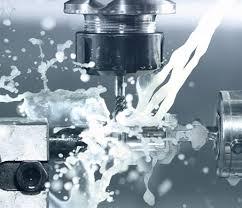
Water soluble cutting oil plays an important role in modern manufacturing by helping improve machining efficiency and maintain the quality of metal components. It is widely used in industrial applications where effective cooling, lubrication, and reliable machining performance are essential. When selected and maintained correctly, the right cutting fluid can support smoother production processes and consistent results.
Understanding Water Soluble Cutting Oil
Water soluble cutting oil is a metalworking fluid designed to be diluted with water before use. It provides a combination of cooling and lubrication during machining operations. The water helps remove heat from the cutting zone, while the fluid's lubricating components help reduce friction between the cutting tool and the workpiece.
These fluids are commonly used in machining operations involving different metals. Their suitability depends on the formulation, material being processed, machine specifications, and operating conditions.
Why Is Water Soluble Cutting Oil Important?
During metal machining, friction between the cutting tool and the workpiece generates heat. Excessive heat can affect tool life, dimensional accuracy, and the surface quality of finished components. Water soluble cutting oil helps manage these conditions by supporting heat dissipation and reducing friction.
The use of a suitable cutting fluid can also help maintain stable machining conditions during repetitive production processes. This is particularly valuable for manufacturers working with high production volumes and precision components.
Major Applications in Industrial Manufacturing
Water soluble cutting oil is used across several industries, including automotive manufacturing, general engineering, machinery production, and metal component processing.
Common applications include turning, milling, drilling, tapping, and certain grinding operations. Depending on the product formulation, these fluids can be suitable for machining steel, aluminium, cast iron, and other metals.
Before selecting a product, manufacturers should verify its compatibility with the metal, machining operation, machine system, and required finish.
Factors to Consider When Selecting Cutting Oil
Choosing the right water soluble cutting oil involves understanding the specific needs of the machining process. The type of metal, cutting speed, tool material, and machining intensity all influence fluid selection.
Manufacturers should also consider corrosion protection, foaming characteristics, fluid stability, and compatibility with machine components. Following the recommended concentration is important because incorrect dilution can affect cooling, lubrication, and overall fluid performance.
Regular monitoring of concentration, pH, and fluid cleanliness can help identify maintenance needs before they affect production.
Best Practices for Cutting Fluid Maintenance
Proper maintenance is essential for keeping water soluble cutting oil effective throughout its service life. Use clean water and follow the manufacturer's mixing instructions. Monitor concentration at suitable intervals and remove accumulated chips and contaminants through appropriate filtration.
Routine checks can help identify changes in fluid condition, unusual odours, excessive foaming, or other signs that require attention. Maintaining good workshop hygiene and following the recommended fluid replacement procedures can also support a cleaner and more reliable machining environment.
Zavenir Daubert
Zavenir Daubert offers metalworking and corrosion protection solutions designed for industrial requirements. Selecting the right cutting fluid can help manufacturers manage heat, reduce friction, and maintain consistent machining conditions.
Businesses looking for suitable metalworking products can explore the Zavenir Daubert website to learn more about its solutions and identify products that match their operational needs.
Conclusion
Water soluble cutting oil is an important part of effective metal machining. Its cooling and lubricating properties help control heat, reduce friction, and support surface finish and machining consistency. By choosing a suitable formulation and following proper maintenance practices, manufacturers can maintain reliable production conditions and support the quality of finished components.

 Arabic
 French
 Spanish
 Portuguese
 Deutsch
 Turkish
 Dutch
 Italiano
 Russian
 Romaian
 Portuguese (Brazil)
 Greek
