

Key Trends Shaping GCC Cement Industry Growth
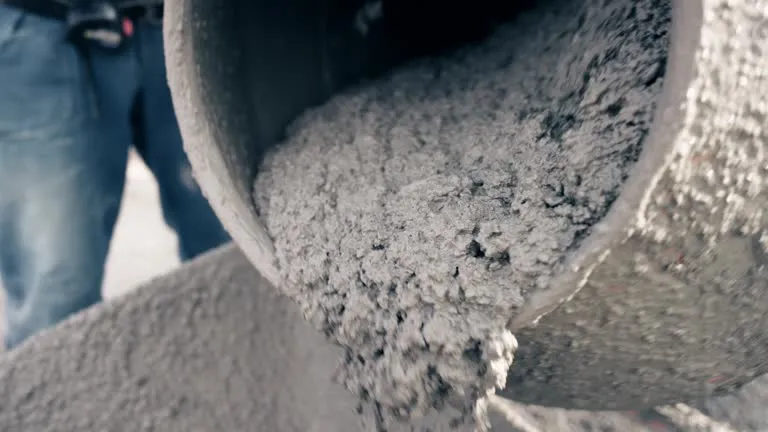
The construction sector across the Gulf Cooperation Council (GCC) continues to evolve as governments invest heavily in infrastructure, urban expansion, and economic diversification. Cement remains one of the most essential building materials supporting these developments, making production capacity, supply chains, and sustainability initiatives increasingly important for long-term regional growth.
The GCC Cement Market reflects this transformation, supported by expanding infrastructure projects, residential developments, industrial investments, and ambitious national development programs. According to the published study by Markntel Advisor, the market is valued at around 101.9 million tons in 2025 and is projected to reach nearly 141.1 million tons by 2032, growing at a CAGR of approximately 4.97% during 2026–2032. Additional insights into regional construction material trends further highlight the factors influencing market expansion.
Several Gulf nations are accelerating investments in transportation networks, commercial facilities, tourism infrastructure, smart cities, and industrial zones. These long-term projects continue to generate sustained demand for construction materials while encouraging manufacturers to improve production efficiency, reduce emissions, and adopt advanced manufacturing technologies.
Infrastructure Development Continues to Drive Demand
Large-scale infrastructure development remains one of the strongest contributors to cement consumption throughout the GCC. Governments are prioritizing highways, airports, ports, metro rail systems, logistics hubs, and public infrastructure as part of broader economic diversification strategies. These investments create consistent demand across both public and private construction activities.
Growing urban populations also require additional residential communities, educational institutions, healthcare facilities, and commercial developments. Together, these projects strengthen long-term demand for construction materials while encouraging local manufacturers to expand production capabilities and improve operational efficiency. According to the International Energy Agency, infrastructure investment remains closely linked to regional economic development and construction activity.[1]
Sustainability Becomes a Strategic Industry Priority
Environmental sustainability is becoming increasingly important for cement producers throughout the region. Manufacturers are investing in energy-efficient technologies, alternative fuels, waste heat recovery systems, and lower-carbon production methods to reduce environmental impact while maintaining productivity.
Many companies are also exploring supplementary cementitious materials and digital process optimization to improve resource utilization. These initiatives align with national sustainability agendas and global decarbonization goals while supporting more efficient manufacturing operations. Industry organizations such as the Global Cement and Concrete Association continue to emphasize innovation as a critical pathway toward reducing emissions across the cement value chain.[2]
Digital Technologies Improve Manufacturing Efficiency
Digital transformation is reshaping cement manufacturing across GCC countries. Automated production systems, predictive maintenance, artificial intelligence, and real-time monitoring technologies help manufacturers optimize plant performance while reducing operational costs and minimizing production downtime.
The adoption of smart manufacturing technologies also improves product consistency, inventory management, and logistics planning. As construction schedules become increasingly complex, digitally connected supply chains enable producers to respond more effectively to changing customer requirements and project timelines.
Economic Diversification Expands Construction Opportunities
Several GCC economies are actively reducing their dependence on hydrocarbon revenues through diversification initiatives that prioritize manufacturing, tourism, logistics, renewable energy, and technology sectors. These investments create new industrial facilities, commercial buildings, hospitality projects, and supporting infrastructure that require substantial volumes of cement.
Mega projects across multiple Gulf countries further strengthen market demand by generating long-term construction activity spanning several years. This sustained investment pipeline provides manufacturers with greater production visibility while encouraging capacity expansion and technological modernization.
Future Outlook for Regional Manufacturers
Looking ahead, the regional industry is expected to benefit from continued public infrastructure spending, expanding urban development, and growing private sector investments. Manufacturers that successfully balance operational efficiency with sustainability initiatives are likely to strengthen their competitive positioning as environmental regulations continue to evolve.
The GCC construction ecosystem is also expected to benefit from stronger regional collaboration, improved logistics networks, and greater adoption of innovative building technologies. These developments create opportunities for producers to enhance supply chain resilience while supporting the region's long-term infrastructure ambitions.
Overall, the market outlook remains supported by ongoing economic transformation, major construction investments, and increasing emphasis on sustainable manufacturing practices. As regional development programs continue to progress, cement producers will remain central to delivering the infrastructure required for future economic growth while adapting to evolving environmental and technological expectations.

 English
 Arabic
 French
 Spanish
 Portuguese
 Deutsch
 Turkish
 Italiano
 Russian
 Romaian
 Portuguese (Brazil)
 Greek
