

How to Create Professional Natural Hairstyles: A Step-by-Step Tutorial
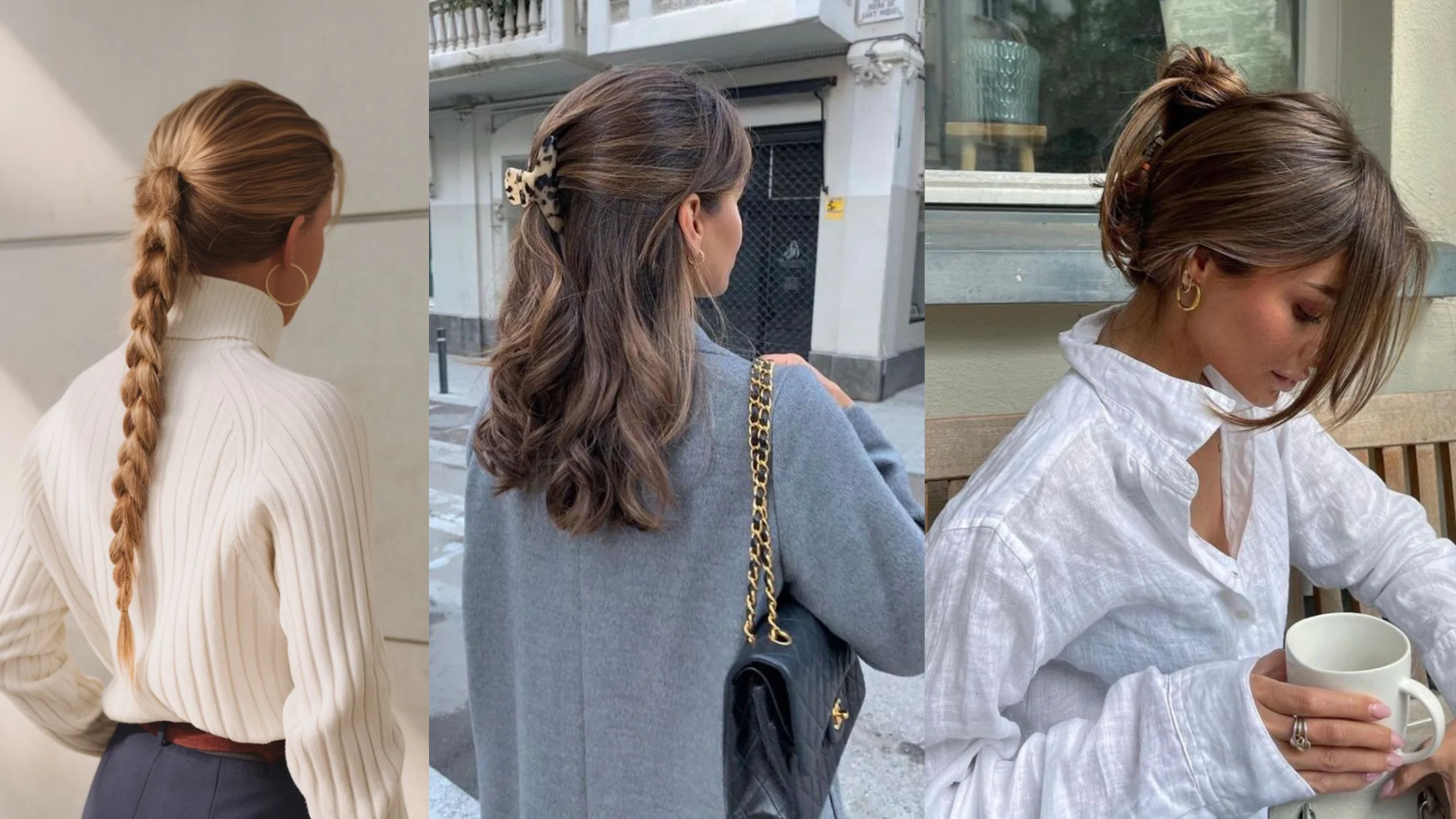
Professional natural hairstyles make it possible to embrace your natural texture while maintaining a polished, confident appearance at work. Whether you have tight coils, defined curls, loose waves, or a combination of textures, the right styling routine can help you create a look that suits your workplace and daily schedule. You do not need complicated techniques or expensive products to achieve professional results. With a little preparation, the right tools, and a consistent hair care routine, you can create natural hairstyles that look neat, feel comfortable, and protect your hair throughout the workday.
Learning how to style natural hair professionally starts with understanding your hair's needs. Factors such as texture, length, moisture levels, and personal styling preferences all influence which hairstyles work best. Instead of trying to copy every trend, focus on techniques that support healthy hair and fit your lifestyle. This step-by-step tutorial explains how to prepare your hair, choose suitable products, create versatile styles, and maintain a polished look from your morning routine to the end of the workday.
Understand Your Hair Before Choosing a Style
The first step toward creating professional natural hairstyles is understanding your hair's natural texture and condition. Natural hair can range from loose curls to tightly coiled strands, and each pattern may respond differently to styling products and techniques. Some hair types benefit from lightweight moisturizers, while others may need richer creams to help retain moisture. Pay attention to how your hair behaves after washing, how quickly it becomes dry, and which products leave it feeling soft rather than coated or greasy.
Hair length also affects the styles you can create comfortably. Short natural hair may work well with defined curls, tapered shapes, or a neatly shaped afro, while medium and longer hair offer additional options such as buns, twists, and ponytails. If your hair is transitioning from chemically treated to natural, consider styles that accommodate different textures without excessive pulling or heat. Choosing a hairstyle that works with your current hair condition is more practical than forcing your hair into a look that requires constant adjustment.
Your workplace environment is another important consideration. Corporate offices, creative workplaces, healthcare settings, and remote work environments may have different expectations regarding appearance, safety, and hair management. A neat style should still reflect your personality and cultural identity. Professional presentation does not require straightening natural hair or hiding its texture. The goal is to select a comfortable, well-maintained hairstyle that suits your responsibilities and follows any relevant workplace safety requirements.
Step One: Cleanse, Condition, and Prepare Your Hair
Healthy styling begins with clean, properly conditioned hair. Use a shampoo suited to your scalp and hair needs, concentrating on removing buildup without unnecessarily drying the strands. Follow with a conditioner to improve softness and manageability. If your hair is particularly dry or prone to tangling, a deep-conditioning treatment may help support moisture and reduce breakage. Adjust your washing schedule according to your scalp condition, activity level, and product use rather than following a rigid routine that may not suit your hair.
After washing, gently remove excess water with a soft cotton T-shirt or microfiber towel. Avoid rubbing your hair aggressively, as friction can contribute to tangling and breakage. Apply a leave-in conditioner or another suitable moisturizing product while your hair is still slightly damp. Work in small sections so the product distributes evenly from the roots toward the ends. If you use several styling products, start with modest amounts to prevent buildup and maintain natural movement.
Detangling is an essential part of preparation, especially for tightly coiled textures. Divide your hair into manageable sections and work carefully from the ends toward the roots using your fingers or a suitable wide-tooth comb. If you encounter a knot, add a little conditioner or detangling product instead of pulling through it. This method helps reduce unnecessary tension and makes styling easier. Once detangled, decide whether you want to work with damp hair, stretched hair, or a fully dried base, depending on your preferred hairstyle.
Step Two: Choose the Right Styling Products and Tools
You do not need a large collection of products to create natural hairstyles for work. A practical styling kit may include a leave-in conditioner, a curl cream or gel, a wide-tooth comb, a soft brush, sectioning clips, hair ties without metal fasteners, and a satin or silk scarf. Select products according to your hair's density, texture, and styling goals. Lightweight gels may help define curls and control frizz, while creams can provide softness and support twist-based styles. The best product is one that performs well for your hair without causing irritation or excessive buildup.
Heat styling tools can be useful when creating stretched styles, but frequent high heat may damage the hair's structure. If you choose to use a blow dryer or another heated tool, apply an appropriate heat protectant and use a moderate temperature setting. Consider using a diffuser or a stretching attachment when suitable for your hairstyle. Air-drying, banding, or other low-heat methods may also help create volume or length without relying on direct heat. Give your hair enough time to dry completely when the finished style depends on a defined shape.
Choose accessories that secure your hair without creating unnecessary tension. Soft scrunchies, smooth hair ties, and fabric-covered bands can be more comfortable than tight elastic bands. Bobby pins and clips should hold the style in place without digging into the scalp. Avoid repeatedly pulling the same areas tightly, particularly around the hairline and temples. A hairstyle should feel secure but should not cause pain, headaches, or scalp tenderness.
Step Three: Create Simple Professional Natural Hairstyles
Once your hair is prepared, choose a style that matches your hair length, available time, and workday activities. One of the easiest options is a defined wash-and-go. Apply your preferred curl product to clean, damp hair in small sections, using your fingers or a styling brush to encourage curl definition. Allow your hair to air-dry or use a diffuser on a suitable setting. When the hair is fully dry, gently separate the curls or lift the roots to achieve your preferred volume without disturbing the overall shape.
A low puff is another versatile option for natural hair. Begin by lightly moisturizing your hair and smoothing the sides with a small amount of styling gel or cream. Gather the hair toward the back of your head and secure it with a soft band or adjustable hair tie. Arrange the puff so it sits comfortably, then use your fingers to shape the curls. Avoid pulling the hairline too tightly. This style works particularly well when you want to keep hair away from your face while maintaining visible natural texture.
For a more structured look, try a low bun. Divide your hair into sections if needed, then gently gather it at the nape of your neck. Twist or wrap the hair into a bun and secure it with pins or a comfortable hair tie. If your hair is short, you may create a similar effect with flat twists or smaller sections secured close to the scalp. A bun can be appropriate for many professional environments because it keeps hair controlled, although the best placement and finish depend on your comfort and personal style.
Flat twists and two-strand twists offer another option for natural hairstyles for work. Separate a section of moisturized hair into two parts and twist them around each other, adding hair gradually when creating a flat twist along the scalp. Continue until the section is complete, then secure the ends gently. You can wear the twists as a standalone style, arrange them into a low bun, or pin them into a simple updo. Neat sectioning and consistent tension help create a refined appearance without requiring excessive manipulation.
If you prefer braided styles, consider simple cornrows, individual braids, or a braided updo that suits your hair length and needs. Clean parts can create a tidy finish, but the braids should never be painfully tight. Protective styles can reduce daily handling when installed and maintained carefully, yet they still require scalp care and occasional breaks from repeated tension. Keep the style clean, follow suitable maintenance practices, and avoid leaving a hairstyle in place longer than is comfortable for your hair and scalp.
Step Four: Refine the Style for a Polished Finish
After styling, take a moment to check the overall shape rather than focusing only on individual strands. Look at the front, sides, and back of your hair to identify areas that need gentle adjustment. Use your fingers to reposition curls, smooth a loose section, or secure a strand with a discreet pin. A small amount of styling product may help control flyaways, but using too much can make the hair stiff or leave visible residue. Aim for a finish that looks intentional while preserving the natural texture and movement of your hair.
Consider how your hairstyle works with your clothing and accessories. A defined afro, twist-out, or braided style can pair well with business casual clothing, while a low bun or puff may suit days when you need your hair secured away from your face. Hair accessories can add personality without overwhelming your overall look. Choose items that complement your outfit and remain comfortable throughout the day. Professional style is not about following one strict appearance standard; it is about feeling prepared, comfortable, and confident in your chosen look.
If your workplace involves machinery, food preparation, laboratory work, or clinical responsibilities, prioritize any hair-restraint or hygiene requirements that apply to your role. In these settings, a secure bun, braid arrangement, or other contained style may be necessary for safety. For desk-based or creative work, you may have more flexibility to wear curls, twist-outs, or a natural afro. Adapt the hairstyle to your responsibilities while making choices that respect your hair's health and your personal preferences.
Step Five: Maintain Your Hairstyle Throughout the Workday
A professional hairstyle should remain comfortable and manageable after you leave home. Before heading out, check that your hair is fully dry if required for the style, your accessories are secure, and your scalp does not feel tight. Carry a few useful items, such as a soft hair tie, a small amount of moisturizer, or a couple of pins, if your hairstyle may need a quick adjustment. You usually do not need to restyle your entire head during the day. Small corrections can help maintain a neat appearance without unnecessary handling.
Environmental conditions can affect natural hair. Humidity may cause some curl patterns to expand or lose definition, while dry indoor air can contribute to a feeling of dryness. Choose styling products based on your usual environment and avoid constantly adding more product whenever your hair changes shape. If you wear a wash-and-go, allow the curls to settle before touching them repeatedly. If you wear twists or a bun, check that the style remains secure without tightening it throughout the day.
Nighttime care also plays an important role in maintaining a style between workdays. Depending on your hairstyle, cover your hair with a satin or silk scarf, use a suitable bonnet, or sleep on a satin pillowcase to reduce friction. Loosely gather longer curls or protect a twist-out in a way that preserves its shape without pulling the roots. In the morning, refresh only the areas that need attention with a little water or an appropriate moisturizing product. Gentle maintenance can help you spend less time styling each day.
Common Mistakes to Avoid When Styling Natural Hair
One common mistake is choosing a style that requires more time or manipulation than your schedule allows. A complicated hairstyle may look attractive but become frustrating if it needs constant touch-ups. Start with manageable options and practice new techniques when you have enough time to work carefully. As you become familiar with your hair, you can develop a routine that balances convenience, appearance, and healthy styling habits.
Another mistake is using excessive tension to achieve a sleek finish. Pulling hair tightly into a ponytail, bun, or braid may create immediate smoothness, but repeated tension can contribute to breakage and hair loss around the hairline. Choose comfortable styles, alternate where you place buns and ponytails, and remove accessories gently. If a hairstyle causes pain or persistent scalp irritation, loosen it or take it down rather than trying to tolerate the discomfort.
It is also easy to use too many products in an effort to control frizz or improve definition. Heavy layers of gel, cream, and oil can leave residue and weigh down the hair. Introduce products gradually and observe how your hair responds before combining several formulas. Keep your combs, brushes, and accessories clean, and pay attention to changes in your scalp. If you experience ongoing irritation, unusual shedding, or persistent scalp problems, consider seeking advice from a qualified healthcare professional or dermatologist.
Build a Consistent Routine for Long-Term Results
Creating professional natural hairstyles becomes easier when you develop a routine that fits your working week. You might wash and condition your hair on a day when you have time to let it dry, create a twist-out or braid style the evening before, and reserve quicker options such as a puff or low bun for busy mornings. Planning ahead can reduce rushed styling and help you avoid excessive heat or tension. Keep a few reliable hairstyles in rotation so you can adapt to meetings, presentations, travel, and everyday responsibilities.
Healthy hair habits matter just as much as the finished appearance. Handle your hair gently, maintain a clean and comfortable scalp, use products suited to your needs, and avoid relying on one tightly secured style every day. Pay attention to how your hair responds to different routines and make adjustments when necessary. Hair care needs can change with the seasons, length, styling history, and individual scalp condition, so a flexible approach is often more useful than a rigid set of rules.
Professional natural hairstyles should help you feel confident without requiring you to compromise your hair's health or personal identity. By preparing your hair properly, selecting suitable products, practicing a few reliable techniques, and maintaining your style thoughtfully, you can create looks that work for a wide range of professional settings. Start with one or two simple hairstyles, refine your technique over time, and build a routine that makes natural hair styling a comfort

 English
 Arabic
 French
 Spanish
 Portuguese
 Turkish
 Dutch
 Italiano
 Russian
 Romaian
 Portuguese (Brazil)
 Greek
