

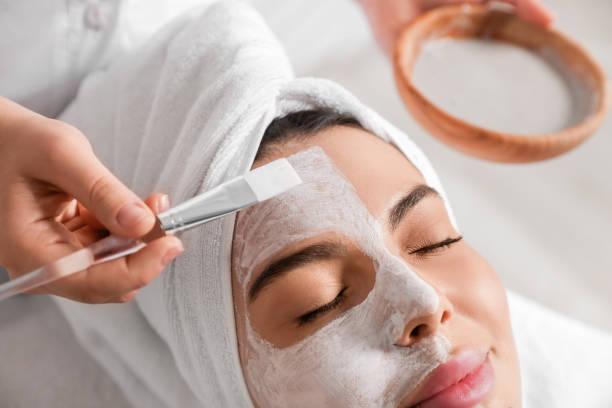
A deep cleansing facial is only as effective as its ability to address your skin's unique needs. Just as you wouldn't wear a one-size-fits-all garment, you shouldn't treat your skin with a generic approach. Steps Involved in Deep Cleansing Facial Process The key to a truly transformative facial lies in understanding your skin type and selecting the right products and techniques. This guide explains how the steps involved in a deep cleansing facial are customised for different skin types.
Why Skin Type Matters
Your skin type determines how it responds to different ingredients and techniques. Using the wrong products can lead to irritation, congestion, or dehydration. A professional facial treatment procedure begins with a thorough skin analysis to determine your skin type and concerns, ensuring the treatment is tailored to your specific needs. The Steps Involved in Deep Cleansing Facial Process are a framework that can be adapted for oily, dry, combination, or sensitive skin.
The Step-by-Step Process for Different Skin Types
Step 1: Consultation and Skin Analysis
The process begins with a detailed consultation. Your professional will assess your skin, asking about your concerns, lifestyle, and current routine. This helps determine your skin type and any specific issues, such as acne, sensitivity, or dehydration.
Step 2: Deep Cleansing
-
Oily/Acne-Prone: A foaming or gel cleanser with salicylic acid is often used.
-
Dry/Dehydrated: A creamy or milk cleanser with hydrating ingredients is preferred.
-
Combination: A gentle, pH-balanced cleanser is used to avoid stripping the skin.
-
Sensitive: A fragrance-free, sulfate-free cleanser with soothing ingredients like oat extract or aloe vera is ideal.
Step 3: Exfoliation
-
Oily/Acne-Prone: A BHA (salicylic acid) exfoliant helps unclog pores.
-
Dry/Dehydrated: A gentle AHA (lactic or glycolic acid) helps remove dead cells and promote hydration.
-
Combination: A gentle exfoliant is used, often with a lighter touch on dry areas.
-
Sensitive: An enzyme peel or a PHA is used for gentle exfoliation without irritation.
Step 4: Steam and Extractions
Steam is used to soften the skin and open pores. Extractions are performed to clear congestion. For sensitive skin, steam is used briefly or avoided to prevent redness.
Step 5: Mask
-
Oily/Acne-Prone: A clay or charcoal mask is used to absorb excess oil.
-
Dry/Dehydrated: A hydrating mask with hyaluronic acid or aloe vera is applied.
-
Combination: A clay mask may be applied to the T-zone, while a hydrating mask is used on the cheeks.
-
Sensitive: A soothing mask with calming ingredients like chamomile or calendula.
Step 6: Serum and Moisturiser
-
Oily/Acne-Prone: A lightweight, oil-free serum and gel moisturiser.
-
Dry/Dehydrated: A rich, hydrating serum and cream moisturiser.
-
Combination: A lightweight, balancing moisturiser.
-
Sensitive: A gentle, fragrance-free formula with barrier-supporting ingredients.
Step 7: Sun Protection
A broad-spectrum sunscreen is applied. For sensitive skin, a mineral-based sunscreen is often recommended.
The Importance of Consistency
Regular, customised facials every 4 to 6 weeks help maintain the health and balance of your skin.
For those seeking expert guidance and customized aesthetic care, you can book an appointment consultation at the Enfield Royal Clinic.
Frequently Asked Questions
What are the main skin types?
The main skin types are normal, dry, oily, combination, and sensitive. Each requires different care.
Can my skin type change over time?
Yes. Skin type can change due to age, hormones, environment, and lifestyle.
Why is a consultation important before a facial?
A consultation helps determine your skin type and any specific concerns, ensuring the treatment is safe and effective.
Can someone with sensitive skin get a deep cleansing facial?
Yes. With gentle products and techniques, a deep cleansing facial can be beneficial for sensitive skin.
What is the best way to maintain my skin type at home?
Use products formulated for your skin type, and avoid harsh cleansers. A professional can recommend a personalised home care routine.

 English
 Arabic
 French
 Spanish
 Portuguese
 Turkish
 Dutch
Dutch
 Italiano
 Russian
 Romaian
 Portuguese (Brazil)
 Greek
Greek
