

Comparing Traditional and Modern Liposuction Techniques
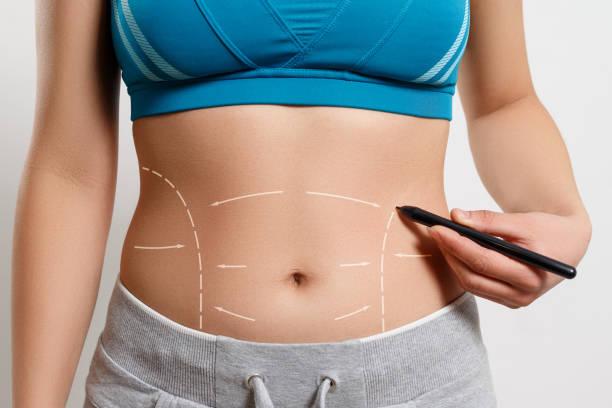
Liposuction has evolved over time, giving surgeons several ways to remove localized fat and improve body contours. Traditional methods remain widely used, while modern techniques incorporate specialized instruments or energy sources to assist fat removal. For individuals considering liposuction riyadh prices, understanding the differences between these approaches can help clarify their potential benefits, limitations, and suitability for different body-contouring goals.
Understanding Traditional Liposuction
Traditional liposuction, also known as suction-assisted liposuction, is an established surgical technique for removing localized fat deposits. The surgeon makes small incisions and inserts a thin tube called a cannula into the targeted area. Controlled suction then removes fat from beneath the skin.
How Traditional Liposuction Works
During the procedure, the surgeon moves the cannula carefully through the fat layer to remove selected deposits and shape the treatment area. The technique can be used on areas such as the abdomen, waist, thighs, hips, upper arms, back, and beneath the chin.
The amount of fat removed and the final contour depend on the patient's anatomy, skin elasticity, treatment plan, and surgical technique.
Potential Benefits of Traditional Liposuction
Traditional liposuction is versatile and can be adapted to various treatment areas. It allows the surgeon to control fat removal directly and does not require an energy-based device to perform the procedure.
However, it is still surgery and carries risks, including bruising, swelling, infection, fluid accumulation, contour irregularities, and complications related to anesthesia. Careful patient selection and surgical planning are essential.
Exploring Modern Liposuction Techniques
Modern liposuction techniques use specialized instruments or energy sources to assist fat removal. The most suitable option depends on the treatment area, the type of fat, the patient's health, and the surgeon's experience.
Power-Assisted Liposuction
Power-assisted liposuction uses a cannula that moves with small mechanical vibrations. These movements help loosen fat tissue, potentially making removal more efficient in selected cases.
It may be considered for larger treatment areas or regions containing denser, more fibrous tissue. However, the use of a powered device does not guarantee better results than traditional liposuction.
Ultrasound-Assisted Liposuction
Ultrasound-assisted liposuction uses ultrasonic energy to help disrupt fat tissue before it is removed. It may be useful for selected fibrous areas, depending on the patient's anatomy and treatment goals.
This method requires specialized training because heat-related injury and fluid collections are possible complications. It is not automatically the preferred option for every patient or body area.
Laser-Assisted Liposuction
Laser-assisted liposuction uses laser energy to affect fat tissue before extraction. Some systems may also produce a degree of tissue contraction, but the amount of skin tightening varies and cannot be guaranteed.
Patients should understand that laser-assisted liposuction remains a surgical procedure. Possible complications include burns, swelling, bruising, and uneven contours, so the potential benefits should be weighed against the risks.
Tumescent Liposuction
Tumescent liposuction involves injecting a fluid solution into the treatment area before fat removal. The solution typically contains saline, a local anesthetic, and medication that constricts blood vessels to help reduce bleeding.
This approach is commonly used alongside suction-assisted liposuction. It is important to understand that tumescent liposuction describes a method of preparing the tissue and managing anesthesia and bleeding, rather than a completely separate category of modern device-based liposuction.
Key Differences Between Traditional and Modern Techniques
Traditional and modern liposuction techniques share the same general purpose: removing localized fat to improve body contours. Their main differences involve how the fat is loosened and the equipment used during surgery.
Traditional suction-assisted liposuction relies on the surgeon's controlled cannula movements and suction. Power-assisted methods add mechanical movement, while ultrasound- and laser-assisted techniques use energy to affect fat tissue before removal.
Modern equipment may offer practical advantages in selected cases, but newer technology does not necessarily mean safer surgery, faster recovery, or better results for every patient. The surgeon's training, treatment plan, and understanding of body anatomy remain critical.
Which Technique Is Best for Different Body Areas?
Abdomen and Waist
The abdomen and waist are common areas for liposuction. Traditional or power-assisted techniques may be considered, depending on the fat distribution, treatment area, and desired contour.
Patients with substantial loose skin or separated abdominal muscles may need to discuss other procedures because liposuction alone does not correct these concerns.
Thighs and Hips
Liposuction may help reduce localized deposits around the thighs and hips to refine body proportions. The surgeon must consider skin elasticity and the risk of uneven contours when selecting the technique.
Arms, Back, and Chin
Smaller or anatomically sensitive areas require careful treatment planning. The appropriate method depends on the amount of fat, skin quality, and the level of contour refinement needed.
Recovery and Expected Results
Recovery depends on the extent of surgery, the technique used, anesthesia, and individual healing. Swelling, bruising, soreness, and temporary numbness are common after liposuction. Compression garments and follow-up appointments may be recommended as part of aftercare.
Patients should follow their surgeon's instructions regarding wound care, medication, driving, and returning to exercise. Final contours may take several months to become apparent as swelling subsides.
Liposuction can improve body contours, but it is not a weight-loss treatment and does not prevent future weight gain. Potential risks include infection, fluid accumulation, contour irregularities, and anesthesia-related complications. Chest pain or difficulty breathing after surgery requires emergency medical attention.
Choosing the Right Liposuction Technique
The best technique is the one that appropriately addresses the patient's needs while taking safety and realistic expectations into account. A qualified plastic surgeon should assess medical history, fat distribution, skin elasticity, and desired results before recommending a procedure.
For people researching Liposuction in Riyadh, useful consultation questions include why a particular technique is recommended, what results are realistic, which risks are most relevant, and what recovery and follow-up care will involve.
Book an Appointment at Royal Clinic Saudia
Understanding the differences between traditional and modern liposuction can help you prepare for a body-contouring consultation. Royal Clinic Saudia can help you discuss your goals, explore suitable treatment approaches, and understand the potential benefits and limitations of each option. If you are considering Liposuction in Riyadh, arrange a consultation to receive personalized guidance based on your health, anatomy, and expectations.

 English
 Arabic
 French
 Spanish
 Portuguese
 Deutsch
 Turkish
 Dutch
 Italiano
 Russian
 Romaian
 Greek
