

How Surgeons Plan Rhinoplasty for Natural-Looking Results
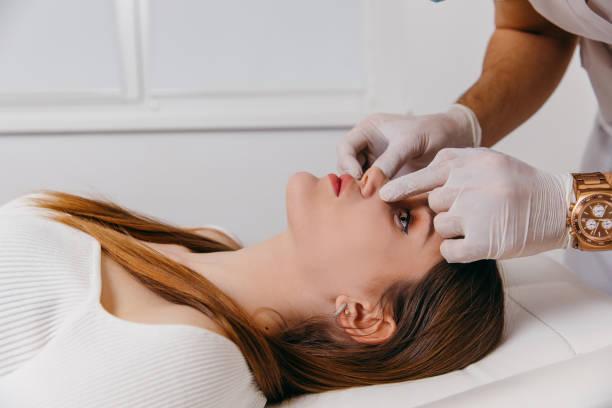
Achieving a balanced nasal appearance requires careful planning, a detailed understanding of facial anatomy, and realistic expectations. Rhinoplasty is not simply about changing the nose's size or shape; it involves considering how the nose fits with the chin, cheeks, forehead, and other facial features. For individuals exploring rhinoplasty riyadh price, understanding how surgeons plan treatment can help clarify why personalized assessments are essential for natural-looking results. The goal is to make appropriate refinements while preserving the nose's structural support and, whenever possible, its normal function.
Understanding the Principles of Natural-Looking Rhinoplasty
Natural-looking rhinoplasty aims to create changes that complement a person's existing facial features rather than produce an obviously altered appearance. Surgeons consider the patient's anatomy, preferences, and functional needs before recommending a specific approach.
Maintaining Facial Harmony
The nose plays an important role in overall facial balance. A change that looks suitable on one person may not complement another person's features. Surgeons therefore assess the nose in relation to the forehead, lips, chin, and facial proportions.
For example, reducing a prominent nasal bridge may help create a smoother profile, while excessive reduction could make the nose appear disproportionate. Careful planning helps establish a result that suits the individual's natural structure.
Preserving Individual Features
Every patient has distinctive facial characteristics, and a natural-looking result does not require eliminating every minor irregularity. Surgeons consider which features should be refined and which should be preserved to maintain the patient's identity.
The objective is to establish realistic goals that reflect the person's preferences while respecting anatomical limitations.
Evaluating Nasal Anatomy Before Surgery
A detailed examination helps the surgeon determine which changes are possible and how they may affect the nose's appearance and function.
Assessing Bone and Cartilage
The nasal bridge is supported by bone and cartilage, while cartilage also plays a major role in shaping and supporting the nasal tip. Surgeons evaluate these structures to understand how they may respond to reshaping.
The strength, position, and thickness of cartilage can influence the surgical approach. Maintaining adequate structural support is particularly important because excessive alteration may contribute to an unstable shape or breathing problems.
Considering Skin Thickness
Skin thickness can affect how clearly the underlying nasal structure appears after surgery. Thinner skin may reveal small irregularities more readily, while thicker skin can soften the visibility of subtle refinements, especially around the nasal tip.
Understanding these characteristics helps the surgeon develop realistic expectations and avoid planning changes that may not be clearly visible after healing.
Personalizing the Surgical Plan
No single rhinoplasty technique is appropriate for every patient. The surgical plan depends on the desired changes, nasal structure, medical history, and whether the procedure is intended to address cosmetic concerns, functional problems, or both.
Refining the Nasal Bridge
Patients who are concerned about a prominent bridge or visible bump may benefit from carefully planned adjustments to the underlying bone and cartilage. The surgeon considers the side profile and the relationship between the bridge and the nasal tip to maintain a balanced appearance.
The amount of reshaping should be appropriate for the patient's facial proportions and should preserve the support needed for normal nasal function.
Shaping the Nasal Tip
The nasal tip can be broad, rounded, asymmetrical, or less defined than a patient prefers. Surgeons may adjust the supporting cartilage to refine its contour and position. However, the extent of refinement depends on cartilage strength, skin thickness, and the desired outcome.
Overly aggressive changes may compromise support, so planning should prioritize an appropriate balance between appearance and function.
Addressing Nasal Asymmetry
Asymmetry can result from natural development, differences in bone or cartilage, or previous injury. Surgery may improve certain irregularities, but perfect symmetry is rarely achievable. Surgeons consider the existing facial structure and explain which improvements are realistic.
Choosing the Right Rhinoplasty Technique
Surgeons may use an open or closed approach depending on the complexity of the planned changes.
Open Rhinoplasty
Open rhinoplasty involves a small incision across the columella, the tissue between the nostrils, along with incisions inside the nose. It provides direct visibility of underlying structures and may be useful when detailed or complex reshaping is needed.
Closed Rhinoplasty
Closed rhinoplasty uses incisions inside the nostrils and may be appropriate for selected cases where the desired changes can be achieved through this approach. Neither method is universally superior. The surgeon should explain the reasoning behind the recommended technique and discuss its limitations.
Balancing Appearance With Nasal Function
Natural-looking results should not come at the expense of breathing. Surgeons assess the internal nasal structure when patients report congestion, airflow difficulties, or previous nasal injuries.
Evaluating Breathing Concerns
A deviated septum or narrowing of the internal nasal valve may contribute to breathing difficulties. Depending on the findings, a patient may need functional surgery alongside cosmetic rhinoplasty. Allergies and inflammation can also affect airflow, so not every breathing concern requires surgery.
Maintaining structural support and evaluating nasal function are important elements of responsible surgical planning.
The Role of Consultation and Digital Planning
A consultation allows patients to explain their goals, discuss concerns, and understand the expected limitations of treatment. Surgeons may use clinical photographs or digital simulations to support communication about possible changes.
These tools can help clarify preferences, but they cannot guarantee the final result. Healing, swelling, skin characteristics, and individual anatomy all influence the outcome. Patients considering Rhinoplasty in Riyadh should feel comfortable asking questions and discussing whether their expectations are realistic.
Recovery and Long-Term Results
After rhinoplasty, temporary swelling, bruising, and congestion are common. Many patients return to light daily activities within a couple of weeks, depending on their recovery and the surgeon's advice. More demanding activities may need to be avoided for longer.
The nose continues to heal gradually, and subtle swelling can remain for months. Final results may take a year or longer to become apparent. Follow-up appointments allow the surgeon to monitor healing and address concerns as they arise.
Rhinoplasty also carries potential risks, including bleeding, infection, scarring, asymmetry, breathing difficulties, and dissatisfaction with the outcome. Patients should understand these risks before deciding to proceed.
Book an Appointment at Royal Clinic Saudia
Natural-looking rhinoplasty depends on individualized planning, realistic expectations, and careful consideration of both appearance and function. If you are exploring Rhinoplasty in Riyadh, contact Royal Clinic Saudia to discuss your concerns and arrange a professional consultation. An assessment can help you understand suitable treatment options, potential limitations, and the steps involved in planning a result that complements your natural facial features.

 English
 Arabic
 French
 Spanish
 Portuguese
 Deutsch
 Dutch
 Italiano
 Russian
 Romaian
 Portuguese (Brazil)
 Greek
