

What to Discuss During Your First Mole Removal Appointment
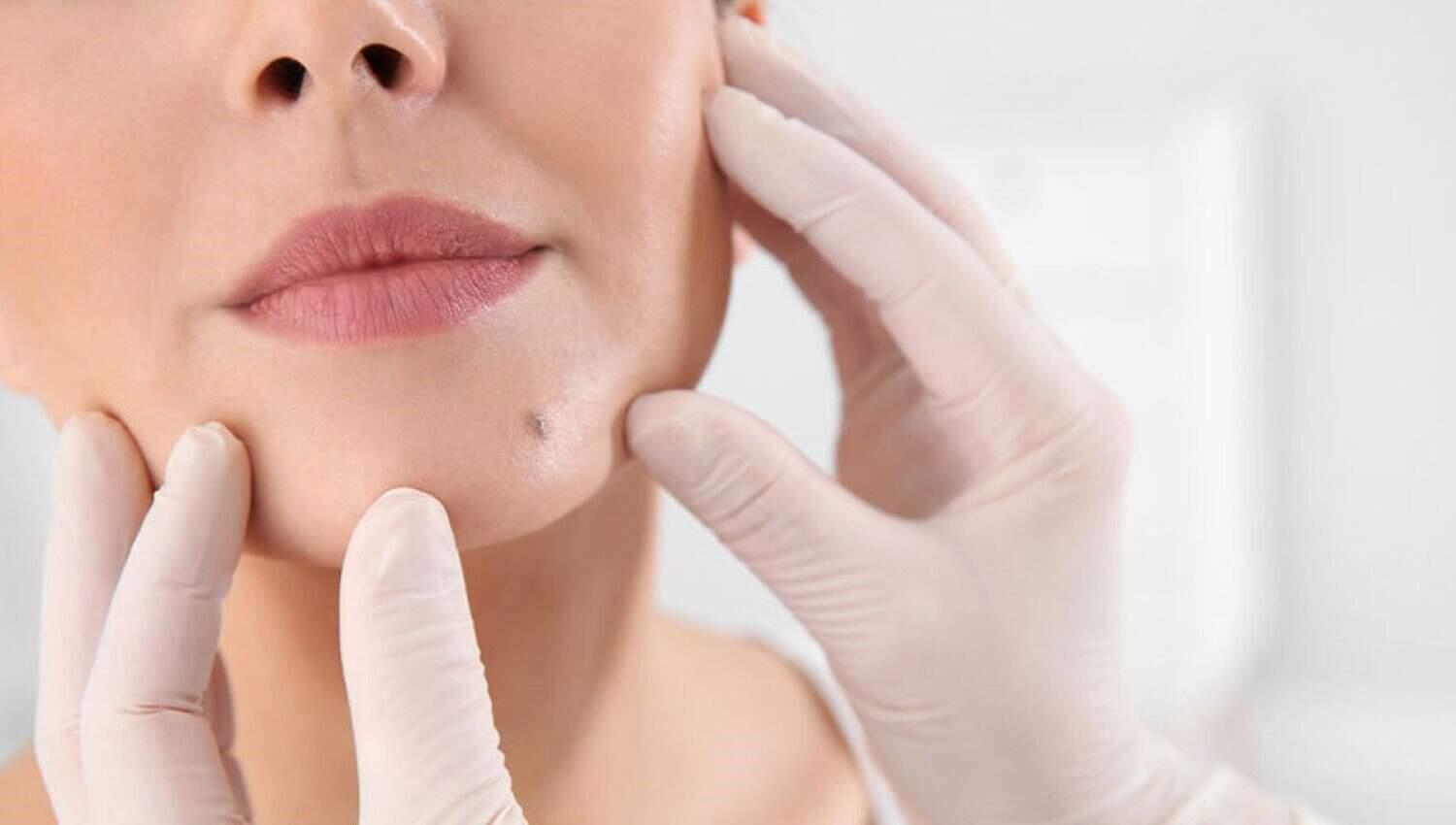
Preparing for your first mole removal appointment can help you make informed decisions about your skin health and treatment options. Whether you want to remove a mole for cosmetic reasons or because it has changed in appearance, a professional consultation is an important first step. It allows you to discuss your concerns, understand the available procedures, and determine whether removal is appropriate for your situation.
Before undergoing treatment, patients should understand that not every mole requires removal, and some skin growths need further medical assessment. Discussing your medical history, expectations, potential risks, and recovery requirements helps establish a suitable treatment plan. If you are considering mole removal in Islamabad, knowing which questions to ask can make your first appointment more productive and reassuring.
Explain Why You Want the Mole Removed
Start by explaining what concerns you about the mole. Your reason for seeking treatment helps the specialist understand your priorities and recommend an appropriate approach.
Common reasons include:
-
Cosmetic concerns: The mole affects your confidence or appearance, particularly when it is located on your face, neck, or another visible area.
-
Physical discomfort: The mole frequently catches on clothing, jewellery, or shaving equipment.
-
Changes in appearance: You have noticed changes in its size, shape, colour, or texture.
-
Medical concerns: The mole bleeds, itches persistently, develops irregular borders, or appears different from your other moles.
Be specific about your concerns. If the mole has changed, explain when you first noticed the change and whether it has progressed. This information can help the clinician decide whether additional examination or testing is necessary.
Ask Whether the Mole Needs Medical Evaluation
One of the most important topics during your first appointment is determining whether the mole appears suitable for routine removal or requires further investigation.
A qualified healthcare professional may examine its size, colour, shape, borders, location, and overall appearance. Depending on the findings, the clinician may recommend dermoscopic examination, a biopsy, or another diagnostic procedure.
Ask questions such as:
-
Does the mole have any features that require further investigation?
-
Is removal appropriate for cosmetic reasons, or is medical testing necessary first?
-
Will the removed tissue need to be sent for histopathology?
-
Should I consult a dermatologist if the mole looks unusual?
Changes in a mole do not automatically indicate skin cancer, but they should not be ignored. Rapid growth, irregular colouring, persistent itching, bleeding, or noticeable changes warrant prompt medical assessment. Do not assume that a suspicious mole can safely be treated as a purely cosmetic concern.
Discuss the Available Mole Removal Methods
The appropriate removal method depends on the type of growth, its depth, location, appearance, and clinical assessment. Ask the specialist to explain why a particular procedure is recommended.
Potential methods include:
-
Surgical excision: The clinician removes the mole using a surgical technique. Stitches may be required, and the tissue can be examined when indicated.
-
Shave removal: A raised lesion may be removed by shaving its surface when clinically appropriate. This technique is not suitable for every mole.
-
Laser treatment: Certain benign pigmented lesions may be considered for laser treatment, but laser treatment is generally unsuitable when a suspicious pigmented lesion requires tissue diagnosis.
Ask about the benefits, limitations, expected cosmetic outcome, and risks of each suitable option. It is also important to understand whether the method could affect future assessment of the area.
Understand Scarring and Expected Results
Although mole removal can improve the appearance of the skin, no procedure can guarantee a completely scar-free result. The final appearance depends on several factors, including the removal technique, the mole's depth, skin characteristics, wound healing, and aftercare.
During the consultation, discuss:
-
The likely appearance of the treated area after healing.
-
Whether a scar, temporary redness, or pigmentation changes are possible.
-
The risk of infection, bleeding, or delayed healing.
-
Whether the mole could recur after treatment.
-
How the specialist will aim to minimise visible scarring.
If the mole is on a prominent area, such as the nose or cheek, explain your cosmetic priorities before agreeing to a procedure. Ask for realistic expectations rather than guaranteed results.
Share Your Medical History and Medications
Your medical history can influence treatment planning and recovery. Give the specialist accurate information about existing health conditions, allergies, previous skin procedures, and any problems with wound healing.
Mention the following when relevant:
-
Prescription medicines, over-the-counter medicines, and supplements.
-
Blood-thinning medications or a history of unusual bleeding.
-
Allergies to local anaesthetics, antiseptics, adhesives, or dressings.
-
A history of raised scars or keloids.
-
Previous skin cancer or unusual moles.
-
Conditions that may affect healing, including diabetes.
Never stop prescribed medication without advice from the healthcare professional responsible for your care.
Ask About Pain Relief, Recovery, and Aftercare
Many minor mole removal procedures use local anaesthesia to reduce discomfort during treatment. However, the level of discomfort and recovery time vary according to the technique and individual circumstances.
Ask your clinician what to expect before, during, and after the procedure. Find out whether you can return to normal activities the same day and whether you need to avoid strenuous exercise, swimming, or activities that stretch the treated area.
Your aftercare instructions may include:
-
Keeping the wound clean and following dressing instructions.
-
Using recommended wound-care products.
-
Avoiding picking at scabs or irritating the healing skin.
-
Protecting the area from excessive sun exposure.
-
Attending follow-up appointments and arranging stitch removal if required.
Contact your healthcare provider if you develop increasing pain, spreading redness, swelling, pus, fever, or persistent bleeding.
Clarify Costs, Timing, and Follow-Up
Before proceeding, ask for a clear explanation of the treatment costs and what they include. Depending on the case, charges may cover the consultation, procedure, local anaesthesia, laboratory testing, dressings, or follow-up visits.
You should also confirm how long the appointment will take, when results may be available if tissue testing is performed, and whether additional visits are necessary. Understanding these details helps you plan your treatment without unexpected expenses or unrealistic expectations.
Choosing a Mole Removal Clinic in Islamabad
Selecting an appropriate provider involves more than comparing prices or looking at before-and-after photographs. Consider the clinician's qualifications, experience with the relevant lesion, hygiene standards, consultation process, and willingness to explain possible complications.
At SKN Cosmetics in Islamabad, patients considering cosmetic mole removal can discuss their skin concerns, suitable treatment options, expected outcomes, and aftercare requirements during a consultation. Before proceeding, ask who will perform the procedure, whether the clinician can assess suspicious lesions, and how referrals or laboratory testing are handled when necessary. A patient-centred approach should prioritise skin health, informed consent, realistic expectations, and an individualised treatment plan.
Conclusion
Your first mole removal appointment is an opportunity to understand your skin concern and decide on the safest, most appropriate next step. Discuss the mole's characteristics, the reason for removal, possible diagnostic testing, treatment methods, scarring, medical history, recovery, and total costs before making a decision.
For patients exploring mole removal in Islamabad, asking clear questions and choosing a suitably qualified provider can support informed decision-making and better preparation for treatment. The priority should always be an appropriate medical assessment, followed by a procedure and aftercare plan suited to your individual needs.
Frequently Asked Questions
What should I bring to my first mole removal appointment?
Bring your medication list, relevant medical history, allergy information, and details of any changes you have noticed in the mole.
Is mole removal painful?
Local anaesthesia is commonly used for minor procedures, helping minimise pain during removal.
Will mole removal leave a scar?
A scar is possible. Its appearance depends on the removal method, mole depth, skin type, and healing process.
Can every mole be removed for cosmetic reasons?
No. Moles that appear suspicious may require medical investigation before any cosmetic treatment is considered.
How long does recovery take after mole removal?
Recovery varies by procedure and individual healing. Your clinician can explain the expected healing period and aftercare requirements.

 English
 Arabic
 French
 Spanish
 Portuguese
 Deutsch
 Turkish
 Italiano
 Russian
 Romaian
 Portuguese (Brazil)
 Greek
