

How Fractional CO2 Laser Treatment Improves Skin Texture
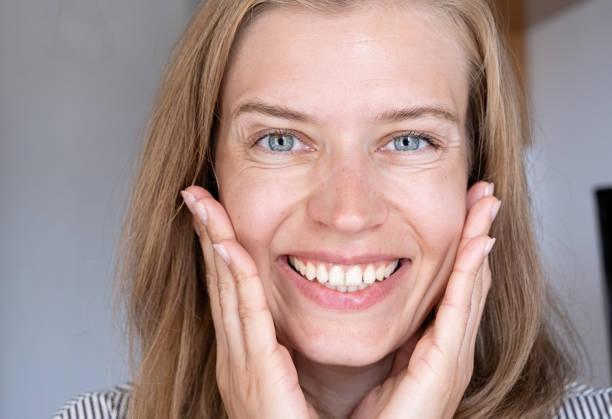
Uneven skin texture, acne scars, enlarged pores, and rough patches can affect the smoothness and overall appearance of the skin. Fractional CO2 laser treatment is a skin-resurfacing procedure that helps address selected concerns by encouraging skin renewal and stimulating collagen remodeling. For individuals considering co2 laser, understanding how the procedure works, which texture concerns it may improve, and what recovery involves can help them make informed skincare decisions. Although results vary according to skin type and treatment intensity, a personalised assessment can help determine whether this approach is suitable for individual skin goals.
What Causes Uneven Skin Texture?
Skin texture can change for several reasons, including acne scarring, sun exposure, ageing, and natural differences in skin structure. Understanding the underlying cause helps determine which treatment may be most appropriate.
Acne Scars and Surface Irregularities
Acne can damage the skin's supporting tissue, sometimes leaving depressed scars after active breakouts have healed. These irregularities may create uneven areas that are difficult to improve with skincare products alone. The depth, shape, and attachment of each scar influence which treatments are likely to help.
Ageing and Collagen Loss
Collagen provides structural support to the skin. As collagen production changes with age, the skin may develop fine lines, reduced firmness, and a less even surface. Sun exposure and other environmental factors can contribute to these changes.
Sun Damage and Rough Skin
Repeated ultraviolet exposure can affect skin texture and contribute to roughness, fine lines, and uneven pigmentation. A clinician should assess these concerns carefully because not every form of discolouration is suitable for laser resurfacing.
How Fractional CO2 Laser Treatment Works
Fractional CO2 laser treatment uses carbon dioxide laser energy to create microscopic treatment zones in the skin. These controlled zones trigger a healing response while leaving surrounding tissue untreated, which can support recovery compared with fully ablative resurfacing.
The procedure removes tiny columns of damaged tissue and stimulates collagen remodeling. As the skin repairs itself, the treated areas may gradually become smoother, and selected surface irregularities may become less noticeable.
The clinician adjusts treatment intensity according to the concern being treated, the patient's skin characteristics, and the anticipated recovery period.
How Fractional CO2 Laser Improves Skin Texture
The procedure may improve several aspects of skin texture, depending on the underlying cause and the patient's response to treatment.
1. Encourages Collagen Remodeling
Collagen helps maintain the skin's structure and firmness. Fractional CO2 laser treatment stimulates the body's repair processes, encouraging collagen remodeling over time.
As these changes develop, some patients notice improvements in the appearance of fine lines, shallow acne scars, and uneven areas. The process is gradual, and the extent of improvement varies between individuals.
2. Helps Reduce the Appearance of Acne Scars
Certain depressed acne scars can make the skin surface appear uneven. Fractional laser resurfacing may improve selected atrophic scars by treating microscopic areas of tissue and stimulating collagen production.
However, deep or tethered scars may require additional treatments, such as subcision or other scar-specific procedures. A clinician should assess scar type before recommending a treatment plan.
3. Smooths Rough Skin Surfaces
Roughness can develop when damaged surface cells and underlying structural changes affect the skin's texture. Fractional CO2 laser treatment resurfaces selected areas, encouraging the skin to renew itself as healing progresses.
The result may be a smoother-looking surface, although the degree of improvement depends on the severity and cause of the roughness.
4. Softens the Appearance of Fine Lines
Fine lines may become more visible as the skin loses elasticity and collagen support. Fractional CO2 laser resurfacing may help soften some lines by treating the surface and stimulating collagen remodeling.
It does not prevent future ageing, and deeper wrinkles may require a different treatment approach. A professional assessment can help establish realistic expectations.
5. Improves Overall Skin Appearance
By addressing selected scars, fine lines, and surface irregularities, fractional CO2 laser treatment may contribute to a more even-looking complexion. However, improvements in texture do not necessarily mean that pigmentation, active acne, or enlarged pores will disappear. Each concern may require a different treatment strategy.
What to Expect During the Treatment Process
Knowing what happens before, during, and after the procedure can help patients prepare appropriately.
Before Treatment
A clinician examines the skin, reviews medical history, and discusses treatment goals. Patients should mention previous laser procedures, cold sores, abnormal scarring, pigmentation problems, and medications that may affect healing. Pre-treatment instructions may include avoiding tanning and temporarily adjusting certain skincare products under professional guidance.
During Treatment
The skin is cleansed, and a topical anaesthetic may be applied to minimise discomfort. The clinician then moves the laser handpiece across the selected treatment area. Patients may experience warmth, tingling, or a stinging sensation.
Treatment duration depends on the size of the area and the intensity of the procedure.
After Treatment
Redness, swelling, sensitivity, and peeling are common during the initial recovery period. Small crusts may form while the skin heals. More intensive treatments may require one to two weeks or longer for visible recovery, and redness can persist beyond that period.
Patients should avoid picking at the skin, follow cleansing and moisturising instructions, and protect the healing area from sunlight as advised.
Who Is a Suitable Candidate?
People with selected acne scars, rough skin texture, or fine lines may benefit from fractional CO2 laser resurfacing. However, suitability depends on skin type, medical history, the severity of the concern, and the risk of complications.
For those considering Fractional CO2 Laser Treatment in Riyadh, careful assessment is especially important for darker skin tones because ablative laser resurfacing can increase the risk of post-inflammatory hyperpigmentation. Active skin infections, a history of keloid scarring, and conditions that impair wound healing may also affect treatment decisions.
Potential complications include infection, prolonged redness, scarring, and temporary or persistent pigmentation changes. Results cannot be guaranteed, and alternative treatments may be more appropriate for some patients.
Book an Appointment at Royal Clinic Saudia
Improving skin texture starts with identifying the underlying concern and choosing a treatment that suits your skin. If you are considering Fractional CO2 Laser Treatment in Riyadh, Royal Clinic Saudia can help you explore appropriate options, understand the expected recovery process, and discuss potential benefits and risks. A professional consultation can determine whether fractional CO2 laser resurfacing aligns with your skin type, medical history, and individual treatment goals.

 English
 Arabic
 French
 Spanish
 Portuguese
 Deutsch
 Turkish
 Italiano
 Russian
 Romaian
 Portuguese (Brazil)
 Greek
