

A Closer Look at PRP Hair Regrowth Therapy in Riyadh
Introduction to PRP Hair Regrowth Therapy
Hair thinning and hair loss can affect people of different ages, often influencing confidence and everyday comfort. Factors such as genetics, hormonal changes, nutritional deficiencies, stress, and certain medical conditions may contribute to reduced hair density. As interest in nonsurgical hair restoration grows, platelet-rich plasma (PRP) therapy has become an option for people exploring ways to support hair growth. PRP hair treatment in Riyadh attracts attention because it uses components derived from a person's own blood and focuses on the scalp and hair follicles.
Understanding how PRP works, who may benefit from it, and what to expect during treatment can help individuals make informed decisions. Although the procedure may support hair growth in selected cases, its effectiveness depends on the underlying cause of hair loss, the individual's health, and the condition of existing hair follicles.
What Is PRP Hair Treatment in Saudi Arabia?
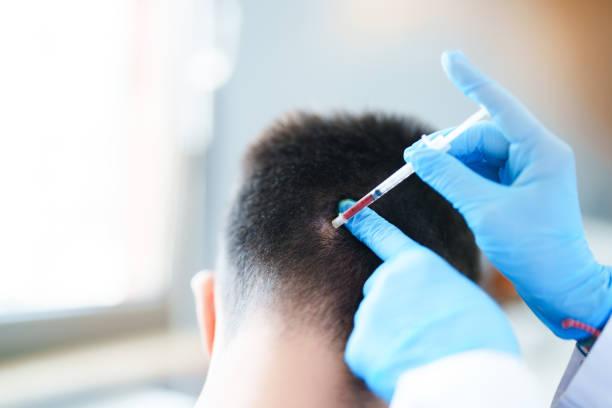
PRP hair treatment in Saudi Arabia is a nonsurgical procedure that uses platelet-rich plasma prepared from a small sample of the patient's blood. Platelets contain growth factors and other biological substances involved in tissue repair and cellular signaling. In hair restoration, PRP is injected into selected areas of the scalp with the aim of supporting follicular activity and improving hair density.
The procedure generally involves collecting blood, processing it in a centrifuge to concentrate the platelets, and administering the resulting plasma into targeted scalp areas. The exact preparation method, platelet concentration, injection technique, and treatment protocol can vary between practitioners.
PRP does not create new hair follicles in areas where follicles have been permanently destroyed. Instead, it may help support existing follicles, particularly in certain types of hair thinning. A qualified medical professional can assess whether this approach is appropriate for an individual's hair loss pattern.
How Does PRP Hair Regrowth Therapy Work?
PRP therapy aims to deliver a concentrated preparation of platelets to areas experiencing hair thinning. Platelets release growth factors that participate in processes associated with tissue maintenance, cellular communication, and repair. Researchers are investigating how these biological mechanisms may influence the hair growth cycle.
Hair grows through different phases, including anagen, the active growth phase; catagen, a transitional phase; and telogen, the resting phase. In some people with pattern hair loss, follicles gradually become smaller, producing finer and shorter hairs. PRP may help improve hair density and thickness in some individuals, although responses differ and the evidence remains variable.
The treatment is not an immediate solution. Hair growth occurs gradually, so any improvement generally requires time and appropriate follow-up. Results also depend on whether the underlying cause of hair loss is responsive to PRP.
Who May Benefit From PRP Hair Treatment?
PRP may be considered for individuals experiencing certain forms of hair thinning, particularly androgenetic alopecia, commonly known as pattern hair loss. Both men and women may experience this condition, although the distribution and progression of thinning can differ.
People with early or moderate hair thinning and viable hair follicles may be more suitable candidates than those with extensive, longstanding hair loss. A medical assessment is essential because hair shedding can also result from thyroid disorders, iron deficiency, nutritional problems, medication effects, inflammatory scalp conditions, or temporary changes following illness.
A professional evaluation helps identify the likely cause before treatment begins. Depending on the findings, a clinician may recommend blood tests, medical treatment, changes in hair care, or referral to a dermatologist. PRP should not be viewed as a universal solution for every type of hair loss.
What Happens During a PRP Hair Treatment Session?
A typical session begins with an assessment of the scalp, hair density, medical history, and treatment goals. The practitioner then collects a small blood sample and processes it to separate the platelet-rich portion from other blood components.
Once the preparation is ready, the scalp is cleaned, and the PRP is injected into selected areas using an appropriate technique. A topical anesthetic or another method of reducing discomfort may be used when suitable. The session length varies according to the size of the treatment area and the practitioner's protocol.
Most people can return to ordinary activities relatively quickly, although temporary tenderness, redness, swelling, or small bruises may occur. Patients should follow their practitioner's aftercare instructions and ask when they can resume exercise, hair washing, and their usual scalp products.
Benefits and Limitations of PRP Hair Restoration
One potential advantage of PRP is that it uses material obtained from the patient's own blood. This may reduce certain concerns associated with introducing unrelated biological materials, although it does not eliminate the possibility of complications.
For suitable candidates, possible benefits include improved hair density, increased hair thickness, and reduced shedding. Some individuals may notice gradual changes in the appearance of thinning areas. However, the magnitude of improvement varies, and not everyone responds to treatment.
PRP is generally considered a complementary approach rather than a guaranteed replacement for established hair-loss treatments. Evidence from clinical studies suggests potential benefits for some forms of pattern hair loss, but differences in preparation methods, injection protocols, and study designs make outcomes difficult to predict. A balanced discussion of expected benefits and limitations is therefore important before starting treatment.
PRP Hair Treatment Recovery and Aftercare
Recovery following PRP treatment is usually straightforward. Mild scalp sensitivity, redness, swelling, or pinpoint bleeding can occur after injections and typically settles over a short period. The practitioner may advise avoiding strenuous exercise, excessive heat, or certain scalp products temporarily.
Patients should keep the treated area clean according to the instructions provided and avoid scratching or aggressively massaging the scalp. They should also ask their practitioner about the appropriate timing for shampooing and resuming hair treatments.
Although PRP uses the patient's own blood components, the procedure involves injections and carries potential risks, including infection, bleeding, and inflammation. Sterile equipment and appropriate clinical standards are essential. Anyone experiencing severe or worsening pain, spreading redness, fever, or unusual discharge after treatment should seek prompt medical attention.
When Can You Expect to See Results?
PRP does not produce instant hair growth. If treatment is effective, changes may develop gradually over several months as hair follicles move through their growth cycles. Some individuals notice reduced shedding before they observe visible improvements in thickness or density.
Practitioners may recommend an initial series of sessions followed by periodic maintenance, depending on the individual's condition and response. There is no single schedule that suits everyone, and the need for continued treatment should be reviewed during follow-up appointments.
Photographs taken under consistent lighting and regular scalp assessments can help track changes more reliably than memory alone. Patients should discuss realistic expectations with their practitioner and understand that ongoing hair loss may require additional treatments or a different management strategy.
Understanding prp hair treatment cost in saudi arabia
People researching PRP often want to understand the factors that influence treatment expenses before making a decision. The overall prp hair treatment cost in saudi arabia may depend on the number of sessions recommended, the extent of the treatment area, the preparation method, the practitioner's expertise, and whether additional consultations or assessments are required.
The treatment plan may differ significantly between individuals because hair loss severity, medical history, and treatment goals are not the same. Some people may require a limited course, while others may be advised to consider ongoing maintenance.
Rather than choosing a procedure based on price alone, patients should prioritize appropriate medical assessment, transparent treatment information, sterile techniques, and realistic expectations. They should also clarify what follow-up care involves and whether other treatments may be more suitable for their particular type of hair loss.
Frequently Asked Questions
What Is PRP Hair Treatment in Saudi Arabia?
PRP hair treatment uses platelet-rich plasma prepared from the patient's blood and injected into selected scalp areas. It aims to support hair growth and improve density in suitable individuals, particularly those with certain forms of pattern hair loss.
Is PRP Hair Regrowth Therapy in Riyadh Suitable for Everyone?
No. Suitability depends on the cause and severity of hair loss, the condition of existing follicles, and the individual's medical history. A qualified healthcare professional should evaluate the scalp and determine whether PRP is appropriate.
How Many PRP Sessions Are Needed for Hair Growth?
The number of sessions varies according to the patient's condition, treatment response, and practitioner recommendations. An initial series may be followed by maintenance sessions, but there is no universally effective schedule.
Is PRP Hair Treatment Painful?
Some people experience mild discomfort during injections. The level of discomfort depends on individual sensitivity, the injection technique, and whether an appropriate method of local pain relief is used.
How Long Does It Take to Notice PRP Hair Treatment Results?
Visible changes, when they occur, generally develop over several months rather than immediately. Outcomes vary, and some individuals may experience limited improvement or no noticeable response.
Can PRP Replace Other Hair Loss Treatments?
PRP does not necessarily replace other treatments. Depending on the diagnosis, a healthcare professional may recommend established medical therapies, nutritional correction, or other interventions alongside or instead of PRP.
Conclusion
PRP hair regrowth therapy offers a potential nonsurgical option for people seeking support for certain types of hair thinning. By using platelet-rich plasma derived from the patient's blood, the procedure aims to support existing hair follicles and may improve hair density in selected cases. Nevertheless, results vary, scientific evidence continues to develop, and appropriate candidate selection remains essential.
Anyone considering PRP hair treatment in Riyadh or elsewhere in Saudi Arabia should seek a thorough medical assessment, understand the potential benefits and limitations, and follow an individualized treatment plan. For individuals exploring hair restoration options, Enfield Royal Clinic Saudi can be a starting point for learning about available aesthetic treatments and arranging a professional consultation to discuss suitability, expectations, and appropriate next steps.

 English
 French
 Spanish
 Portuguese
 Deutsch
 Turkish
 Dutch
 Italiano
 Russian
 Romaian
 Portuguese (Brazil)
 Greek
